
Latest Articles

MATADORA (Extended) - DJ Asul
MATADORA (Extended), produced by DJ Asul and popularized through curators like 𝐙𝐗𝐑𝐈𝐅, is a high-energy track that blends elements of Brazilian Funk (Funk Carioca) with the dark, aggressive aesthetics of "Phonk." The song centers on themes of dominance, feminine power, and the high-intensity atmosphere of late-night dance culture. --- ### 1. Overall Theme The song revolves around the persona of a "Matadora" (a female killer or "lady killer"), representing a woman who is dangerous, alluring, and completely in control of her environment. It serves as an anthem for confidence and raw energy, designed primarily for high-intensity settings like clubs, gyms, or automotive "edit" culture. ### 2. Key Lyrics Analysis While the song is driven more by its heavy production than complex storytelling, certain elements are crucial: * "Matadora": The central hook translates to "Killer." In this context, it refers to a *femme fatale* archetype—someone who "slays" through her appearance, attitude, or social dominance. * Repetitive Rhythmic Phrasing: Like many Brazilian Funk tracks, the lyrics function as percussion. The repetition of short, punchy phrases is meant to induce a trance-like state and keep the listener focused on the "beat drop." * The "Mandelão" Vocal Style: The distorted, often aggressive vocal delivery emphasizes a "street" or underground vibe, signaling that the song belongs to the gritty nightlife of the Brazilian favelas rather than mainstream pop. ### 3. Emotional Tone The emotional tone is aggressive, dark, and empowering. It carries a sense of "dark adrenaline." There is no vulnerability here; instead, the track conveys a sense of cold confidence and unstoppable momentum, which is why it is frequently used in social media videos featuring "Sigma" tropes, bodybuilding, or high-speed racing. ### 4. Cultural Context * Brazilian Funk & Drift Phonk: The song sits at the intersection of two major global trends. It uses the "MTG" (Montagem) style of Brazil, which involves heavy sampling and raw bass, but adopts the dark, moody atmosphere popularized by the Eastern European "Drift Phonk" scene. * The "Edit" Culture: With 1.1 million views on a curated channel like 𝐙𝐗𝐑𝐈𝐅, the song’s success is deeply tied to YouTube and TikTok "edit" culture, where music is slowed, sped up, or extended to provide a soundtrack for visually intense content. ### 5. Artist Context DJ Asul is part of a wave of Brazilian producers who have seen their music go global due to the internet’s obsession with "Phonk" and "Brazilian Dança." For the curator 𝐙𝐗𝐑𝐈𝐅, this track represents a "viral find"—taking a localized club hit and repackaging it (Extended version) for a global audience that craves "dark" and "heavy" background music for digital content. This song solidifies the artist's place in the "phonk-funk" crossover movement that has dominated streaming charts recently.
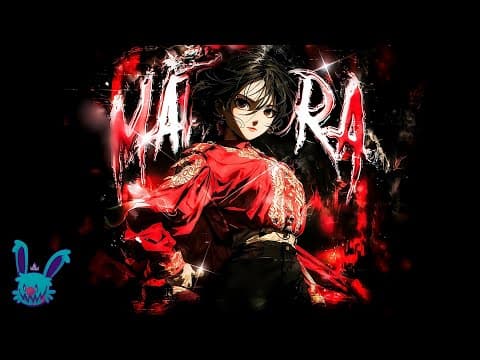
MATADORA (Slowed)
Here is an analysis and explanation of "MATADORA (Slowed)" by DJ Asul. Overall Theme The song centers on the concept of a "Matadora" (literally a female "killer" or "slayer"). In the context of Brazilian Funk and Phonk culture, it describes a woman who is dangerous, irresistibly seductive, and in total control of her environment. The "Slowed" version transforms what was originally a high-energy dance track into a dark, hypnotic anthem about power and feminine allure. Key Lyrics Analysis While the song relies heavily on rhythmic repetition rather than complex storytelling, the core phrases carry specific weight: * "Ela é matadora" (She is a killer): This is the central hook. It uses the metaphor of a killer to describe a woman whose beauty or presence is "lethal." It suggests she dominates the room and leaves an impact on everyone she encounters. * The Repetitive "Matadora" Hook: In the slowed version, the word is stretched out, creating a "chopped and screwed" effect. This emphasizes the "Mandrake" aesthetic—a Brazilian subculture style associated with swagger, expensive sportswear, and a "cool but dangerous" urban attitude. * Heavy Bass Drops: While not "lyrics," the sonic structure acts as a language. The deep, distorted bass lines represent the "weight" and authority of the subject matter. Emotional Tone The emotional tone of the slowed version is dark, seductive, and menacing. By slowing down the tempo, DJ Asul strips away the frantic energy of the original and replaces it with a sense of "cool" confidence. It feels atmospheric and cinematic, often evoking feelings of mystery or late-night urban intensity. Cultural Context * Brazilian Funk & MTG: The song belongs to the "MTG" (Montagem) style of Brazilian Funk, which focuses on heavy sampling and beat manipulation. * The "Slowed + Reverb" Trend: This specific version caters to a global internet subculture where listeners prefer distorted, slowed-down music for "Sigma" edits, car drifting videos, or "Phonk" playlists. * Mandrake Aesthetic: In Brazil, a "Matadora" is often the counterpart to a "Mandrake"—someone who is street-smart, stylish, and carries a certain "don't mess with me" aura. Artist Context DJ Asul is a producer who excels in the digital-first era of music, where remixes often become more popular than original tracks. This song fits perfectly into his discography as a specialist in reimagining Brazilian Funk for a global audience. By applying "Slowed + Reverb" techniques to "MATADORA," DJ Asul helped the track cross over from Brazilian clubs to international social media platforms, cementing his role as a curator of the "dark funk" aesthetic.
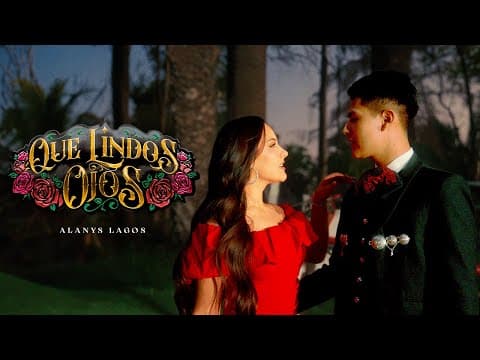
WHAT BEAUTIFUL EYES
"WHAT BEAUTIFUL EYES" (originally titled "Qué Bellos Ojos") is a soulful track by the rising Honduran artist Alanys Lagos. It showcases her powerful vocal ability within the Regional Mexican genre. Here is an analysis of the song: ### 1. Overall Theme The song is a classic romantic tribute centered on the theme of infatuation and the hypnotic power of a lover’s gaze. It explores the idea that eyes are the "windows to the soul," expressing a deep, pure admiration for someone that begins with a single look. ### 2. Key Lyrics Analysis * "Qué bellos ojos, qué linda mirada" (What beautiful eyes, what a lovely look): This repetitive refrain serves as the emotional anchor of the song. It emphasizes that the narrator is completely captivated by the physical beauty and the sincerity found in the subject's eyes. * The focus on the "Gaze": The lyrics often suggest that the way the person looks at the narrator says more than words ever could. It describes a feeling of being "lost" or "trapped" in those eyes, which is a common metaphor for falling deeply in love. * Longing and Devotion: Beyond just physical attraction, the lyrics imply a desire for permanence—the hope that those "beautiful eyes" will continue to look at the narrator for a long time. ### 3. Emotional Tone The tone is admiring, passionate, and romantic. Alanys Lagos delivers the vocals with a sense of "sentimiento" (deep feeling), typical of the ranchera style. There is a sweetness to the lyrics, but the instrumentation provides a grand, dramatic backdrop that makes the infatuation feel intense and monumental. ### 4. Cultural Context * Genre: The song sits firmly within Regional Mexican music (specifically influenced by Mariachi or Norteño romántico). * The Serenade Tradition: This song fits the Latin American cultural tradition of the *serenata* (serenade), where music is used as a direct tool for courtship or to express devotion to a loved one. * Cross-Border Appeal: Although Alanys Lagos is Honduran, her mastery of a traditionally Mexican genre highlights the universal popularity of Regional Mexican music across Central and North America. ### 5. Artist Context Alanys Lagos is often referred to as "La Voz de Hierro" (The Iron Voice) of Honduras. "Qué Bellos Ojos" is a pivotal song in her career because it demonstrates her ability to bridge the gap between traditional sounds and a modern, youthful audience. It reinforces her image as a powerful female vocalist in a male-dominated genre, proving she can carry the emotional weight of classic-style romantic ballads.

Carnívoro
"Carnívoro" is a prominent track by Mc Jacaré, a key figure in the Brazilian "Eletrofunk" scene. The song utilizes a heavy electronic beat combined with the rhythmic flow of funk to create a high-energy club anthem. Here is an analysis of the song: ### 1. Overall Theme The song centers on the persona of a predator on the prowl in the nightlife scene. Using the metaphor of a "carnivore" (and playing on the artist's name, *Jacaré*, which means "alligator"), it describes the pursuit of pleasure, sexual attraction, and the dominance of the artist within the party environment. ### 2. Key Lyrics Analysis * "O jacaré é carnívoro" (The alligator is a carnivore): This is the central hook. It serves a dual purpose: it reinforces Mc Jacaré’s brand identity and sets a "predatory" tone, suggesting he is hungry for life, women, and the party scene. * "Sente o cheiro de longe" (Smells it from a distance): This line emphasizes instinct. It suggests that the protagonist is highly tuned into the atmosphere of the club and can "scent" a romantic or sexual opportunity from afar. * "Ela tá com sede, e eu tô com fome" (She is thirsty, and I am hungry): A classic double entendre in Brazilian Funk. "Thirst" often refers to a desire for fun or expensive lifestyle, while "hunger" refers to sexual appetite or the drive to achieve his goals. ### 3. Emotional Tone The tone is aggressive, confident, and primal. There is no vulnerability in the song; it is designed to make the listener feel empowered and energized. The repetitive, heavy bassline creates a hypnotic, "alpha" atmosphere intended for high-intensity dancing (specifically the *passinho* dance style). ### 4. Cultural Context * Eletrofunk: This song is a prime example of *Eletrofunk*, a subgenre that exploded in the Brazilian Midwest (Goiás) and South. It blends the gritty vocals of Funk Carioca with the polished, high-frequency synths of European EDM. * The "Automotivo" Culture: The song is engineered to be played on "Som Automotivo" (heavy car sound systems). In Brazil, these sound competitions or street parties require tracks with specific bass frequencies that "Carnívoro" provides. ### 5. Artist Context Mc Jacaré is known for his playful yet "tough" persona. "Carnívoro" fits perfectly into his discography as a branding tool. By leaning into his name (Alligator/Jacaré) and describing himself as a predator, he created a catchy, meme-able identity that resonated on TikTok and Instagram Reels, helping him maintain his status as one of the leaders of the Eletrofunk movement.

Na Lettera
"Na Lettera" (A Letter) by Jhosef is a poignant Neapolitan song that follows the long-standing tradition of the "letter from prison" trope common in Southern Italian music. Here is an analysis of the song: Overall Theme The song centers on the themes of remorse, separation, and the sacred bond between a son and his mother. It is written as a heartfelt confession from a man who is incarcerated or living in forced isolation, expressing his deep regret for the pain his criminal choices or mistakes have caused his family. Key Lyrics Analysis * *"Cara mammà, t' scriv' chesta letter'..." (Dear mom, I’m writing you this letter...):* This opening establishes the epistolary format. Because the narrator cannot physically reach his mother, the letter becomes his only bridge to the outside world. * *"Perdoname si t’aggio fatt’ chiagnere" (Forgive me if I made you cry):* This is the emotional core of the song. In Neapolitan culture, causing a mother to weep is considered the greatest sin, and the narrator’s plea for forgiveness is central to his path toward redemption. * *"Dint' a 'na cella 'o tiempo nun passa maje" (Inside a cell, time never passes):* This line emphasizes the psychological toll of imprisonment—the stagnant nature of time when one is deprived of freedom and the presence of loved ones. * *"M’hanno purtato luntano 'a te" (They took me far away from you):* Here, the singer frames his separation not just as a legal consequence, but as a visceral, painful displacement from his "home," which is personified by his mother. Emotional Tone The tone is melancholic, apologetic, and deeply dramatic. Jhosef uses a "Neomelodico" vocal style characterized by high emotional intensity and a sense of "suffering" in the delivery. The song conveys a mix of nostalgia for the past and a desperate hope for a future where he can reclaim his place in his mother’s arms. Cultural Context The song is rooted in the Neomelodico genre, a popular style of music in Naples and Southern Italy that often tells stories of the "periferia" (suburbs), social hardship, and life on the fringes of the law. * The Mother Figure: In Neapolitan culture, the mother is an almost religious figure. Songs like "Na Lettera" resonate because they tap into the collective empathy for the "prodigal son" who remains devoted to his mother despite his flaws. * Institutionalization: The song reflects a reality for many in marginalized communities where incarceration is a common, tragic disruptor of family life. Artist Context Jhosef is a well-known voice in the contemporary Neomelodic scene. "Na Lettera" represents his ability to balance traditional themes with modern production. This song helped solidify his reputation as an artist who can interpret the "classic" struggles of Neapolitan life for a modern audience, cementing his status among fans who value emotional storytelling and "musica di sentimento" (music of feeling).

Indah Pada Waktunya
"Indah Pada Waktunya" (Beautiful in Its Time) is one of the most iconic songs by Indonesian dangdut star Dewi Perssik. It is a soulful ballad that blends elements of pop and modern dangdut. Here is an analysis of the song: 1. Overall Theme The song centers on the themes of patience, resilience, and divine timing. it describes a person who chooses to endure betrayal or hardship with dignity, holding onto the firm belief that their suffering will eventually lead to a better, more "beautiful" future orchestrated by God. 2. Key Lyrics Analysis * "Aku diam bukan tak tahu, aku sabar bukan tak mampu" (*I am silent not because I don’t know; I am patient not because I am incapable*): This opening line establishes a position of strength rather than weakness. The narrator is aware of the lies or mistreatment they face but chooses silence as a form of moral superiority. * "Biarlah semua berlalu, Tuhan punya rencana" (*Let it all pass, God has a plan*): This reflects the concept of surrender. It suggests that human effort has its limits, and ultimate justice or peace rests in a higher power’s hands. * "Semua akan indah pada waktunya" (*Everything will be beautiful in its time*): This is the emotional anchor of the song. It serves as a mantra of hope, suggesting that the current "winter" of life is necessary to reach the "spring." 3. Emotional Tone The song conveys a melancholic yet empowering tone. It begins with a sense of hurt and stoicism, reflecting the pain of being underestimated or wronged. However, as the melody builds, the tone shifts toward optimism and spiritual conviction. It feels like a cathartic release for anyone going through a difficult trial. 4. Cultural Context The song is deeply rooted in the Indonesian cultural and religious value of "Sabar" (patience) and "Ikhlas" (sincere acceptance). In Indonesian society, the phrase "Indah pada waktunya" is a common religious and social idiom (often associated with Ecclesiastes 3:11 but used broadly across faiths) used to comfort those in distress. The song gained massive popularity as the theme song for the TV drama (*Sinetron*) *Centini*, where the main character faces constant social and romantic struggles. 5. Artist Context "Indah Pada Waktunya" served as a pivotal moment in Dewi Perssik’s career. Historically known for her high-energy performances and "Goyang Gergaji" (Saw Dance), this song showcased her vocal versatility and emotional depth. It helped transition her image from a controversial stage performer to a respected "Diva" of the dangdut genre, proving she could carry a powerful, serious ballad that resonated with the masses.

Omega Sapien - Krapow (Official Video)
"Krapow" is a high-octane, experimental track by Omega Sapien, the frontman of the South Korean alternative musical collective Balming Tiger. The song serves as a sensory explosion that blends hyper-pop, industrial rap, and global street culture. Here is an analysis of the song: ### 1. Overall Theme The song uses the metaphor of Pad Krapow (a spicy Thai basil stir-fry) to represent Omega Sapien’s "spicy," pungent, and unmistakable artistic identity. It is a celebration of being an "acquired taste"—someone who is unconventional, intense, and impossible to ignore in a saturated music industry. ### 2. Key Lyrics Analysis * "Pad Krapow / Keep it spicy": Beyond the literal food reference, "spicy" refers to his flow and energy. He is telling the listener that his music isn't meant to be "mild" or easy to digest; it is designed to provoke a strong reaction. * "Born in the mud, grew up in the sky": This highlights his global upbringing and trajectory. Omega Sapien lived in China, Japan, and the US before returning to Korea, suggesting his perspective is "elevated" and not bound by a single national identity. * "Omega the Sapien, I'm the first of the kin": He positions himself as a new species of human (a play on his stage name). He views his art as an evolutionary step forward, distancing himself from traditional K-pop or standard hip-hop tropes. ### 3. Emotional Tone the tone is hyperactive, chaotic, and supremely confident. The song feels like sensory overload; it is abrasive and frantic, conveying a sense of "controlled rebellion." There is an underlying feeling of mischief—as if he is intentionally trying to rattle the listener's speakers and expectations. ### 4. Cultural Context * Alternative K-Pop: The song is a prime example of the "Alternative K-pop" movement spearheaded by Balming Tiger. It rejects the polished, synchronized image of mainstream idols in favor of raw, DIY, and "weird" aesthetics. * Pan-Asian Identity: By choosing a Thai dish as the central motif while rapping in English and Korean, Omega Sapien embraces a Pan-Asian identity. He moves away from Western-centric rap tropes to find inspiration in the local flavors and textures of Asia. ### 5. Artist Context Within Omega Sapien’s career, "Krapow" solidifies his reputation as a genre-bender. While he started in more traditional underground rap, this track shows his shift toward experimental electronic and industrial sounds. It cements his role as the "energy source" of Balming Tiger, proving he can carry a solo track with the same manic charisma he brings to the group’s collaborative projects (like "Sexy Nukim").

愛言葉V - Love Words V
"愛言葉V" (Love Words V) is the fifth installment in DECO*27’s iconic "Ai Kotoba" series. Released in October 2023, it serves as a milestone celebration for Hatsune Miku’s 16th anniversary—a significant number as 16 is Miku’s "canonical" age. ### 1. Overall Theme The song is a profound expression of gratitude and a "love letter" from DECO*27 to Hatsune Miku and his fans. It explores the enduring bond between a creator and their muse, celebrating how they have grown together over 16 years while promising to continue making music into the future. ### 2. Key Lyrics Analysis * "Baka mitai ni sa, shinjiteru yo" (I believe in it like a fool): This line reflects DECO*27’s unwavering commitment to the Vocaloid medium. Even as trends change, he remains "foolishly" dedicated to the digital voice that gave him a career. * "16-sai no tanjoubi omedetou" (Happy 16th birthday): This is the emotional core of the song. Since Miku’s official setting is 16 years old, her 16th real-world anniversary represents a "coming of age" where the software and the character finally align in time. * "Arigato" (Thank you) / "Aishiteru" (I love you): Like previous versions, the song plays on the word *Aikotoba*, which means "Password" but is written with the kanji for "Love Words." It emphasizes that "Thank you" is the password that connects the artist, the software, and the listener. * Callbacks to I, II, III, and IV: The lyrics and the music video are filled with musical motifs and visual cues from the previous four "Ai Kotoba" songs, acting as a chronological map of DECO*27's evolution. ### 3. Emotional Tone The tone is triumphant, nostalgic, and deeply sentimental. While the tempo is upbeat and energetic (typical of DECO*27’s modern pop-rock style), there is an underlying sense of warmth and "homecoming." It feels less like a commercial release and more like a heartfelt conversation between old friends. ### 4. Cultural Context In the Vocaloid community, 2023 was "The Year of Miku" because it marked her 16th anniversary. Because her character design is permanently 16, this anniversary was treated by fans and Crypton Future Media as her most significant milestone yet. Ai Kotoba V served as the definitive anthem for this celebration, acknowledging that Vocaloid is no longer just a "software" but a cultural phenomenon that has lasted for generations. ### 5. Artist Context DECO*27 is one of the most prolific and influential producers in the history of Vocaloid. The "Ai Kotoba" series (released roughly every 5 years) has become a barometer for his career: * Ai Kotoba (2009): The humble beginning. * II (2013): Growth and mainstream success. * III (2018): 10th-anniversary milestone. * IV (2022): Reaffirming his "Miku-centric" path. * V (2023): The ultimate celebration of the "16-year" synchronicity. By releasing "V," DECO*27 solidifies his role as Miku’s primary "storyteller," showing that despite his massive commercial success, his core inspiration remains the same as it was in 2008.

MAGIC
"MAGIC" is a high-energy, vibrant track by Ado that serves as an anthem for liberation and pure joy. Here is an analysis of the song: 1. Overall Theme The song centers on the theme of escapism and the transformative power of entertainment. it celebrates the idea of shedding one's everyday worries and "boring" reality to immerse oneself in a world of wonder and excitement, much like the "magic" experienced at a festival or theme park. 2. Key Lyrics Analysis * "Show Time! 始まりの合図" (Show Time! The signal to begin): This sets a theatrical tone immediately. The song isn't just music; it’s a performance meant to transport the listener to another world. * "嫌なこと全部忘れて" (Forget all the bad things): This line captures the core intent of the song—catharsis. It encourages the listener to let go of societal pressures and personal stress. * "NO LIMIT! の魔法を" (The magic of NO LIMIT!): This is a direct nod to the Universal Studios Japan (USJ) slogan. It symbolizes breaking through boundaries and living life with maximum intensity and no restrictions. * "踊れ 騒げ" (Dance, make some noise): These imperatives emphasize physical participation. The "magic" isn't something that happens *to* you; it’s something you create by joining the celebration. 3. Emotional Tone The tone is exhilarating, infectious, and overwhelmingly positive. Unlike Ado’s earlier darker works, "MAGIC" is pure serotonin. It conveys a sense of wild freedom and a "high" that comes from being in the moment, characterized by Ado’s powerful, brassy vocals and a big-band, uptempo jazz-pop arrangement. 4. Cultural Context The song was specifically created as the theme song for Universal Studios Japan’s (USJ) "NO LIMIT! Summer 2024" campaign. In Japanese culture, summer is the season of *matsuri* (festivals) and "escaping the heat" through high-energy events. "MAGIC" fits perfectly into this cultural niche, acting as the soundtrack for a collective, spectacular summer experience. 5. Artist Context "MAGIC" showcases Ado’s incredible versatility. While she rose to fame with the rebellious and gritty "Usseewa," this track proves she can master the "bright" side of J-Pop with equal power. It follows the theatrical lineage of her hit "Show," further establishing her as not just a "vocaloid-style" singer, but a world-class entertainer capable of leading massive, mainstream commercial campaigns and live stadium-sized celebrations.

おどるポンポコリン - Odoru Ponpokorin
Ado’s rendition of "Odoru Ponpokorin" is a high-octane, modern reimagining of one of Japan’s most iconic anime theme songs. Originally performed by B.B.Queens in 1990, Ado’s version brings her signature "chaotic energy" to a track that has defined Japanese childhood for decades. ### 1. Overall Theme The song is a celebration of absurdity, childhood innocence, and the joy of the mundane. It serves as the theme for *Chibi Maruko-chan*, a series about a young girl’s daily life, and the lyrics reflect a world where logic takes a backseat to fun, rhythm, and neighborhood quirks. ### 2. Key Lyrics Analysis * "Pippara pippara, poppy-po" / "Odoru ponpokorin": These are largely nonsense onomatopoeic phrases. "Ponpoko" specifically refers to the sound of a *tanuki* (raccoon dog) drumming on its belly. It emphasizes that the song isn't meant to be "deep," but rather felt as a rhythmic, physical experience. * "Eji-son wa erai hito, sonna no joushiki" (Edison was a great man, that’s common knowledge): This line juxtaposes a random school fact with the silliness of the dance. It reflects the perspective of a child—mixing things they learned in school with the desire to just play and be weird. * "Buta no puutaro" (Puutaro the pig): References to specific characters or silly imagery highlight the "neighborhood" feel of the song, where even the local animals or eccentric neighbors are part of the dance. ### 3. Emotional Tone Ado’s version is frenetic, whimsical, and celebratory. While the original version was laid-back and groovy, Ado infuses the track with vocal "growls," rapid-fire delivery, and theatrical flair. It feels like a fever dream or a massive festival (matsuri) where everyone has lost their inhibitions. ### 4. Cultural Context * Chibi Maruko-chan: This song is inextricably linked to the anime, which is a cultural staple in Japan. Almost every person in Japan across three generations knows this melody. * Heisei Era Nostalgia: The original song was a massive hit at the start of the Heisei era (1990). By covering it, Ado bridges the gap between the "classic" Japan of the late 20th century and the "digital-native" Japan of today. * The Tanuki Myth: The "Ponpokorin" sound references Japanese folklore where tanuki use their bellies as drums to create magical, mischievous music. ### 5. Artist Context For Ado, this song demonstrates her extraordinary versatility. Known for darker, angst-filled tracks like *"Usseewa"* or high-drama theatrical pieces like those in *One Piece Film: Red*, covering a children’s song allows her to show her playful side. It is part of her effort to "Ado-fy" the Great Japanese Songbook, proving she can take a song meant for toddlers and grandparents and turn it into a modern vocal masterpiece without losing its original charm.

唱 - Show
"唱" (read as "Show") by Ado is a high-octane, genre-bending anthem that dominated the Japanese music charts upon its release in late 2023. It serves as the official theme song for Universal Studios Japan's "Halloween Horror Nights." Here is an analysis of the track: Overall Theme The song is a celebration of liberation, chaos, and the transformative power of performance. It invites the listener to shed their societal inhibitions and join a "monstrous" dance party, blending the boundary between a theatrical show and a spiritual ritual. Key Lyrics Analysis * "唱 (Show) / Na-na-na-na-na, Ready for my show": The title is a clever pun. The kanji "唱" means "to sing" or "to chant," but it is pronounced "shō," phonetically matching the English word "Show." This establishes the dual nature of the song as both a vocal performance and a visual spectacle. * "蛇腹(じゃばら)の如く道なりに / 唸りを上げるわ我が魂" (Like a bellows, along the road / My soul lets out a roar): This highlights the explosive, mechanical energy of the song. Ado compares her soul to a bellows—something that pumps air to fuel a fire—suggesting that her performance is fueled by an internal, unstoppable pressure. * "喝采!浴びせるほどに燃え上がるの" (Applause! The more I’m showered in it, the more I burn): This illustrates the symbiotic relationship between the performer and the audience. The "monsters" (the crowd) provide the energy that allows Ado to push her vocal limits even further. Emotional Tone The tone is manic, electrifying, and rebellious. It carries a sense of "dark fun," moving between eerie, whispered verses and explosive, brass-heavy choruses. It evokes the feeling of being at a supernatural carnival where the rules of the everyday world no longer apply. Cultural Context The song was specifically composed for the "Zombie de Dance" event at Universal Studios Japan (USJ). Because it was designed for a theme park setting, the "Rat-tat-tat" rhythm and the repetitive "Na-na-na" hooks were crafted to be "infectious" and easy for large crowds to dance to. It successfully sparked a massive social media trend, with the "Show" dance challenge going viral on TikTok and YouTube globally. Artist Context "Show" is a masterclass in Ado’s vocal versatility. Produced by Giga and TeddyLoid (known for high-energy EDM/Vocaloid styles), the song requires Ado to switch rapidly between operatic belts, raspy "death growls," rapid-fire rap-like delivery, and delicate falsetto. * Career Milestone: This song solidified Ado’s transition from a "viral internet singer" to a mainstream pop icon capable of carrying major commercial tie-ins. * Global Reach: Following her success with the *One Piece Film: Red* soundtrack, "Show" furthered her international reputation as one of the most technically gifted vocalists in the modern J-Pop scene.

붉은 노을
"붉은 노을" (Sunset Glow), released in 1988, is one of the most iconic songs in the history of Korean pop music. Composed by the legendary Lee Young-hoon, it remains a timeless anthem that bridges generations. ### 1. Overall Theme The song explores the bittersweet longing for a past lover while watching a vivid red sunset. It uses the natural beauty and temporary nature of the twilight sky as a metaphor for a deep, unchanging love that persists even after a relationship has ended. ### 2. Key Lyrics Analysis * "난 너를 사랑해, 이 세상은 너뿐이야" (I love you, in this world there is only you): This is the most famous line of the song. While the verses are reflective, this explosive chorus is a direct, unwavering declaration of love. It suggests that despite the breakup, the narrator's world still revolves around that person. * "저문 노을에 내 마음을 실어 보낸다" (I send my heart upon the setting sunset): The sunset acts as a spiritual messenger. Because the narrator cannot reach their lover directly, they project their feelings onto the sky, hoping the light reaches the other person wherever they are. * "세월 지나가면 우리 잊혀지겠지만" (As time passes, we might be forgotten): This line introduces a touch of realism and existential sadness. It acknowledges that time eventually erases all memories, making the current act of "remembering" and "loving" feel more urgent and precious. ### 3. Emotional Tone The song features a unique emotional duality. While the lyrics are melancholic and filled with yearning, the melody is upbeat, rhythmic, and anthemic (often categorized as pop-rock). This creates a feeling of "joyful sadness" or "resilient nostalgia"—it’s a song people often sing loudly together to celebrate the beauty of past memories rather than just mourning them. ### 4. Cultural Context * The Big Bang Remake: In 2008, the K-pop group BIGBANG remade the song with a modern hip-hop arrangement. This version became a massive hit, making the song one of the few "national songs" in Korea that is known word-for-word by both the elderly and children. * Sing-along Culture: Because of its driving beat and soaring chorus, "Sunset Glow" is a staple at Korean sporting events, festivals, and karaoke (noraebang), symbolizing a sense of unity and shared Korean sentiment (*Jeong*). ### 5. Artist Context This song was the lead track of Lee Moon-sae’s 5th album, which is widely considered one of the greatest albums in Korean music history. It solidified the "Golden Duo" partnership between singer Lee Moon-sae and composer Lee Young-hoon. This collaboration moved Korean pop music away from traditional "Trot" or simple folk and introduced a more sophisticated, orchestral pop-ballad sound that defined the 1980s and 90s.