
Latest Articles

옛사랑
"Old Love" (옛사랑), released in 1991, is widely considered one of the greatest masterpieces in Korean popular music. Written and composed by the legendary Lee Young-hoon, it remains a definitive "winter ballad" that captures the essence of nostalgia. ### 1. Overall Theme The song is a poetic reflection on a past romance, viewed through the lens of time and maturity. It describes the quiet, solitary process of revisiting old memories and finally coming to terms with the fact that the love is gone, transitioning from active grief to a peaceful, lingering longing. ### 2. Key Lyrics Analysis * "사랑이란 게 지겨울 때가 있지" (There are times when even love feels wearisome): This line is celebrated for its brutal honesty. Rather than romanticizing love as an eternal flame, the narrator acknowledges the emotional exhaustion that comes with holding onto someone for too long. * "이제야 비로소 혼자 된 것만 같아" (Only now does it feel like I’ve truly become alone): This signifies a turning point. It suggests that for a long time, the narrator was still living with the ghost of the past lover; "being alone" here is an admission of finality and acceptance. * "그리우면 그리운 대로 서러우면 서러운 대로" (If I miss you, I’ll just miss you; if I’m sad, I’ll just be sad): This is the emotional climax. It expresses a mature way of grieving—instead of trying to forget or force the pain away, the narrator chooses to let the emotions exist naturally as part of his life. ### 3. Emotional Tone The tone is wistful, serene, and profoundly lonely. Unlike many ballads that feature explosive high notes and dramatic outbursts, "Old Love" is restrained. The use of a simple acoustic guitar and a melancholic harmonica solo creates an intimate atmosphere, making the listener feel as if they are walking down a snowy street at night alongside the singer. ### 4. Cultural Context In Korea, "Old Love" is the ultimate "Emotional Trigger" song (often referred to as *gamseong*). It captures a specific Korean sentiment of "Jeong" (attachment) and "Han" (sorrowful longing). It is a staple in Korean culture during the late autumn and winter seasons. Because of its poetic lyrics, it is frequently cited as a song that bridged the gap between folk music and modern "Pop Ballads," influencing countless songwriters in the decades that followed. ### 5. Artist Context This song is the crown jewel of the collaboration between singer Lee Moon Sae and composer Lee Young-hoon. Together, this duo defined the "Golden Era" of Korean ballads in the late 80s and early 90s. While Lee Moon Sae has many upbeat hits, "Old Love" showcases his ability to tell a story through a conversational, almost whispered vocal style. It solidified his status as the "King of Ballads" and has been covered by numerous modern artists, including IU and Lim Young-woong, proving its timeless appeal.

깊은 밤을 날아서
"깊은 밤을 날아서" (Flying through the Deep Night), released in 1987, is one of the most beloved tracks by the legendary Korean singer Lee Moon-sae. It is a whimsical, upbeat masterpiece that has remained a staple of Korean pop music for decades. --- ### 1. Overall Theme The song captures the exhilarating, dream-like feeling of a blossoming romance. It uses the metaphor of "flying through the night sky" to describe the sense of freedom and excitement two lovers feel when they are together, escaping the mundane world to find a place that belongs only to them. ### 2. Key Lyrics Analysis * "우리들만의 세상으로 가요" (Let’s go to a world that belongs only to us): These lyrics emphasize the intimacy and escapism of love. It suggests that when the narrator is with their lover, the rest of the world fades away, replaced by a private, magical reality. * "파란 달빛 아래 둘이서" (The two of us under the blue moonlight): The use of "blue" moonlight adds a surreal, fairytale-like quality to the setting. It enhances the visual imagery of a night that is cool, calm, and enchanted. * "날아올라" (Fly up): This recurring motif represents the peak of emotional euphoria. It transforms the feeling of "falling in love" into the sensation of "rising above" everything else, symbolizing liberation and pure joy. ### 3. Emotional Tone The song is overwhelmingly joyful, whimsical, and romantic. Unlike many of Lee Moon-sae’s more melancholic ballads, this track is filled with a bright, pulsating energy. It evokes a sense of nostalgia for listeners today, reminding them of the innocent and adventurous spirit of youth. ### 4. Cultural Context Released during the "Golden Era" of Korean pop (the late 1980s), this song helped redefine the Korean ballad scene by incorporating sophisticated pop arrangements. It has achieved "immortal classic" status in Korea, frequently covered by modern idols and artists (such as IU and Wendy of Red Velvet). This has allowed the song to remain culturally relevant across multiple generations, often associated with the feeling of a refreshing night breeze or a magical festival atmosphere. ### 5. Artist Context "Flying through the Deep Night" is a product of the legendary partnership between Lee Moon-sae and the late composer Lee Young-hoon. While Lee Moon-sae is often crowned the "King of Ballads" for his soul-stirring sad songs, this track demonstrates his incredible range and ability to deliver high-energy, "pop-soul" performances. It appeared on his 4th studio album, which is considered one of the most influential albums in the history of Korean music.
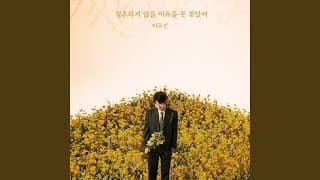
Propose
"Propose" (프러포즈) by Lee Mujin is a heartfelt, acoustic-pop ballad that captures the raw sincerity of a man asking his partner to spend the rest of her life with him. Unlike grand, cinematic declarations of love, this song focuses on the humble, nervous, and deeply personal nature of a real-life proposal. Here is an analysis of the song: 1. Overall Theme The song centers on the theme of ordinary but eternal commitment. It portrays a proposal not as a flashy event, but as a sincere promise made by someone who acknowledges their own flaws but offers unwavering devotion. It emphasizes that true love is found in the willingness to grow old together and navigate life’s mundane moments side-by-side. 2. Key Lyrics Analysis * "I might be a bit clumsy, and this might not be the dream proposal you imagined.": These lines set the stage for the song’s realism. Lee Mujin moves away from the "Prince Charming" trope, admitting he isn't perfect, which makes the confession feel more authentic and relatable. * "Will you grow old with me?": Rather than just focusing on the romantic "now," the lyrics look toward the distant future. This highlights that the "propose" isn't just about a wedding ceremony, but about the long journey of aging and changing together. * "In a world that changes so fast, I want to be the one thing that stays the same for you.": This line reflects a desire for stability. It positions the narrator as a "safe haven" for his partner amidst the chaos of modern life. 3. Emotional Tone The tone is intimate, nervous, and warm. Lee Mujin’s signature raspy yet soft vocal delivery makes it feel as though he is whispering the lyrics directly into the listener's ear. There is a sense of "fluttering hearts" (the Korean concept of *sullem*), combined with a grounded sense of responsibility. It feels like a cozy, late-night conversation rather than a public performance. 4. Cultural Context In South Korea, there is often a high social pressure for "event-style" proposals that are expensive or social-media-ready. Lee Mujin’s "Propose" acts as a counter-narrative to this trend. It aligns with a growing cultural appreciation for "Small Weddings" and "Sincere Love," prioritizing the emotional connection over material display. Because of its sweet melody and relatable lyrics, it has quickly become a popular choice for "congratulatory songs" (*chuk-ga*) at Korean weddings. 5. Artist Context Lee Mujin rose to fame as a "campus singer-songwriter" who captures the everyday anxieties and joys of the younger generation (seen in hits like "Traffic Light"). "Propose" represents a maturation in his discography. While his earlier hits often dealt with the confusion of youth, this song shows him stepping into the role of a romantic storyteller who deals with adult milestones, further solidifying his reputation as a "vocalist for the people" who tells stories everyone can relate to.
![[Lyric Video] 에스파파(S.Papa.) - 참다행이야 (That's a relief)](/_next/image?url=https%3A%2F%2Fimg.youtube.com%2Fvi%2FPchyLRAIr0c%2Fmqdefault.jpg&w=3840&q=75)
[Lyric Video] 에스파파(S.Papa.) - 참다행이야 (That's a relief)
"참 다행이야 (That's a relief)" is a classic Korean ballad originally released in 2004. While the video is hosted by VOSTOK_MUSIC, the song is the signature hit of S.Papa. Here is an analysis of the song: ### 1. Overall Theme The song explores the theme of selfless love and bittersweet resignation following a breakup. It depicts a man who is deeply heartbroken but chooses to suppress his pain, claiming he is "relieved" that his former lover has found someone better than him who can provide the happiness he couldn't. ### 2. Key Lyrics Analysis * "참 다행이야 나보다 좋은 사람을 만나서" (It’s such a relief that you met someone better than me) * This is the central irony of the song. The narrator uses the word "relief" to mask his lingering attachment. He acknowledges his own perceived inadequacies and takes comfort in the fact that she is now in "better hands." * "사랑해서 미안해" (I’m sorry for loving you) * This line captures a specific trope in Korean ballads: the "noble sacrifice." He feels guilty for his feelings, as if his love was a burden or a hindrance to her finding a better life. * "나를 잊고 살아가줘" (Please live your life forgetting me) * The ultimate act of letting go. He believes that for her to be truly happy, he must be completely erased from her memory, even if it means he will suffer in loneliness. ### 3. Emotional Tone The tone is melancholic, sorrowful, and deeply emotional. It begins with a quiet, reflective mood and builds into a powerful, soaring chorus that reflects the internal explosion of grief. It carries a sense of "Manly Pathos"—a popular style in the early 2000s where men expressed vulnerability through themes of endurance and silent suffering. ### 4. Cultural Context In the early 2000s, South Korean music was dominated by "Crying Ballads" (Sogyeol Ballads). These songs often featured themes of extreme self-sacrifice and the "Noble Idiot" trope—where a character leaves their partner "for their own good." This song is a quintessential example of that era’s romantic sentiment, where love was proven through one’s ability to endure pain for the sake of the other person’s social or emotional stability. ### 5. Artist Context S.Papa is the stage name for Tak Jae-hoon, a legendary Korean entertainer and member of the comedic musical duo *Country Kko Kko*. * The Mystery Persona: When this song was first released, Tak Jae-hoon used the pseudonym "S.Papa" (meaning "So-yul's Papa," named after his daughter) to hide his identity. * Career Shift: Because he was known as a hilarious "gag-man" (comedian), he feared the public wouldn't take a serious ballad seriously if they knew it was him. * Legacy: The song became a massive hit, proving his genuine vocal talent. It remains a "karaoke classic" in Korea, frequently covered by other artists and remains Tak Jae-hoon's most respected musical work.

LE SSERAFIM (르세라핌) 'HOT' OFFICIAL MV
It appears there may be a slight mix-up regarding the artist. While LE SSERAFIM is a prominent HYBE group, the hit song titled "HOT" is actually by SEVENTEEN (who are under Pledis Entertainment, a subsidiary of HYBE LABELS). LE SSERAFIM does have a popular 2024 track called "1-800-hot-n-fun," but the "HOT" Official MV belongs to SEVENTEEN. Below is the analysis for SEVENTEEN’s "HOT" (the definitive "HOT" MV on HYBE Labels), followed by a brief note on LE SSERAFIM’s "hot" themed tracks. --- ### SEVENTEEN (세븐틴) - 'HOT' Analysis 1. Overall Theme The song is a declaration of SEVENTEEN’s burning ambition and their desire to reach the absolute peak of the music industry. It uses the metaphor of the Sun to represent their ultimate goal—to become an entity that shines the brightest, even if the heat is overwhelming. 2. Key Lyrics Analysis * "Drop it like it's hot / Burning like the sun": These lines emphasize a "no-filter" approach to their passion. They aren't just trying to be popular; they want to be a source of energy and light. * "Into the solar system, we go further": This signifies their global (and celestial) aspirations, showing that they no longer feel bound by the limits of the K-pop scene. * "Ahn-ji-go-re (Face it)": This recurring motif in the album (*Face the Sun*) suggests that instead of hiding from their fears or the "heat" of fame, they are stepping directly into it. 3. Emotional Tone The tone is fierce, aggressive, and supremely confident. Unlike some of their earlier "fresher" concepts, "HOT" is gritty and heavy, characterized by a distorted guitar riff and a "stadium-ready" energy that feels like a call to action. 4. Cultural Context The MV utilizes "Mad Max-esque" desert aesthetics and Western-inspired visuals. Culturally, it aligns with the "Global K-pop" trend of using high-octane, performance-heavy visuals to appeal to international festival crowds. It also reflects the "Summer Anthem" tradition in K-pop, but with a dark, mature twist. 5. Artist Context "HOT" marked a turning point for SEVENTEEN after all 13 members renewed their contracts early. It served as a statement of longevity and power, proving that they are not slowing down but are actually "heating up" as they enter a more mature phase of their career. --- ### Note on LE SSERAFIM's "Hot" Related Content If you were specifically thinking of LE SSERAFIM and their "hot" concept, you likely meant: * "1-800-hot-n-fun": A track from their 2024 EP *CRAZY*. This song focuses on "It-girl" confidence, party culture, and the effortless "cool" of the group. It is heavily influenced by House music and the 90s club scene. * Theme: Unlike SEVENTEEN’s "HOT" (which is about ambition), LE SSERAFIM’s "hot" tracks are usually about living in the moment and self-empowerment.

aespa 에스파 'Live My Life' MV
"Live My Life" is a refreshing B-side track from aespa’s first full-length album, *Armageddon*. It departs from their signature high-concept "Kwangya" lore to deliver a more grounded, relatable message. Here is an analysis of the song: 1. Overall Theme The song is an anthem of self-liberation and personal agency. It encourages listeners to break away from societal expectations and the "scripts" written by others to live authentically. At its core, it is about reclaiming the role of the protagonist in one’s own life story. 2. Key Lyrics Analysis * "Stop the world that’s been decided for me / I’m the protagonist of this story": These lines serve as the song’s mission statement. They reject a predetermined fate or the pressure to conform to a specific social mold, asserting that the individual holds the power to direct their own narrative. * "A canvas I'll draw on as I please": This metaphor suggests that life is an open artistic project. Rather than following a set of rules, the lyrics emphasize the beauty of creating something unique and perhaps "messy" but genuine. * "I’m living my life, I’m doing my thing": This simple, repetitive hook functions as a mantra of independence. It shifts the focus from performing for an audience to seeking personal satisfaction. 3. Emotional Tone The song is uplifting, energetic, and nostalgic. Unlike their more aggressive title tracks, "Live My Life" uses a bright pop-rock arrangement (reminiscent of early 2000s pop-punk). It evokes a sense of freedom, like a "coming-of-age" movie soundtrack, leaving the listener feeling empowered and breezy. 4. Cultural Context The song taps into the "Main Character Energy" trend popular among Gen Z and Millennials. In a world dominated by social media validation and burnout, the song reflects a cultural shift toward "self-actualization"—prioritizing one's own happiness and mental peace over external achievements or the "perfect" aesthetic. 5. Artist Context Within aespa’s discography, "Live My Life" demonstrates the group's versatility. While they are famous for "Hyper-pop" and "Cyberpunk" concepts involving AI and villains, this track showcases their "human" side. It proves that aespa can excel in a guitar-driven, pop-rock genre, providing a necessary emotional balance to the darker, more intense themes found in their title tracks like *Supernova* and *Armageddon*.

LE SSERAFIM (르세라핌) 'Perfect Night' OFFICIAL M/V with OVERWATCH 2
"Perfect Night" by LE SSERAFIM is a vibrant, English-language collaboration with Blizzard Entertainment’s *Overwatch 2*. It marks a departure from the group’s intense, high-energy anthems toward a more relaxed, "easy-listening" sound. Here is an analysis and explanation of the track: 1. Overall Theme The song centers on the concept of female friendship and the idea that a night is "perfect" as long as you are with your companions. It celebrates the joy of companionship and living in the moment, suggesting that the destination or the activity matters less than the people you are with. 2. Key Lyrics Analysis * "I got all I need / You know nothing else can beat / The way that I feel when I'm with you": These lines establish that the emotional connection with friends is the ultimate source of satisfaction, superseding material things or external validation. * "Tonight, I don't care what's right or wrong / From the city lights down to the sea": This highlights a sense of escapism. It’s about setting aside the pressures of daily life and moral complexities to simply enjoy the freedom of the night. * "No, I don't care what's wrong or right / I'm just tryna have some fun": This reinforces the "low-stakes" philosophy of the song. It’s not about being "fearless" in the face of adversity (their usual theme), but about being comfortable and happy. 3. Emotional Tone The tone is breezy, carefree, and nostalgic. Unlike the aggressive, percussive sounds of their previous hits like "ANTIFRAGILE," this song uses a soft 2-step garage rhythm. It feels warm and inviting, evoking the feeling of a late-night drive or a relaxed dance party with close friends. 4. Cultural Context * Overwatch 2 Collaboration: The song served as a major marketing event for *Overwatch 2*. The music video blends 3D animation of the game’s heroes (like D.Va, Kiriko, and Tracer) with footage of the LE SSERAFIM members. It represents the growing intersection between K-pop and the global gaming industry. * English Language Release: As an all-English track, it was designed for global appeal. Despite being in English, it achieved a "Perfect All-Kill" on the Korean charts, a rare feat that proves the group's domestic power regardless of language. 5. Artist Context "Perfect Night" showcases LE SSERAFIM’s versatility. Their brand is built on the concept of "I'm Fearless," usually portrayed through powerful choreography and "unforgiven" attitudes. This song softened their image, proving they could master the "easy-listening" trend (popularized by groups like NewJeans) while maintaining their distinct group identity. It acted as a bridge to their next era (*EASY*), which further explored more relaxed and diverse musical genres.
![[Performance37] TXT(투모로우바이투게더) '내일에서 기다릴게 (I'll See You There Tomorrow)' (4K)](/_next/image?url=https%3A%2F%2Fimg.youtube.com%2Fvi%2F2_ZQpWVMn9c%2Fmqdefault.jpg&w=3840&q=75)
[Performance37] TXT(투모로우바이투게더) '내일에서 기다릴게 (I'll See You There Tomorrow)' (4K)
Based on the Performance37 video by M2, here is an analysis of "내일에서 기다릴게 (I'll See You There Tomorrow)" by TOMORROW X TOGETHER (TXT). 1. Overall Theme The song centers on the theme of reassurance and the certainty of reconnection. It explores the idea that even if people are separated or lost in the present, a "promised tomorrow" exists where they will inevitably meet again. It is a heartfelt vow to stay constant in a changing world. 2. Key Lyrics Analysis * "There’s no such thing as 'forever' / So I'll just say 'I’ll see you there tomorrow'": TXT often deals with the reality of transience. By choosing "tomorrow" over the cliché of "forever," the lyrics feel more grounded and sincere—it is a promise renewed every single day. * "If you lose your way, just look for the sign": This reflects a recurring motif in TXT’s discography regarding finding one's way back to a companion or a dream. It suggests that the bond between the narrator and the listener acts as a lighthouse. * "The promise we made under the starlight": This is a direct callback to the group's overarching fictional lore (The Star Seekers), where a promise made in their youth serves as the catalyst for their journey. 3. Emotional Tone The song carries a euphoric yet nostalgic tone. While the UK Garage-inspired beat is fast-paced, driving, and danceable, the vocal delivery is breezy and sweet. It evokes the feeling of running toward a sunset—filled with the excitement of a reunion but tinged with the bittersweet longing of the time spent apart. 4. Cultural Context In K-pop culture, the concept of a "Promise" (Yaksok) is a vital bridge between artists and their fans (MOA). This song functions as a "fan song," reassuring the audience that as long as there is a "tomorrow," the artist and the fan will remain connected. Additionally, the use of UK Garage and House music trends reflects the current global K-pop shift toward sophisticated, retro-electronic dance genres that emphasize "vibe" and atmosphere over aggressive rapping. 5. Artist Context "I'll See You There Tomorrow" is a standout B-side from their 2024 album *minisode 3: TOMORROW*. This album was released to celebrate the group's 5th anniversary, acting as a bridge between their past "The Dream Chapter" era and their future. The song is considered a return to the "classic TXT sound"—bright, magical, and youthful—reminding fans of why they fell in love with the group during their debut while showcasing their vocal maturity.

Will Pan - 潘瑋柏 - 不得不愛 ft. 弦子 (Official Video)
"不得不愛" (Cannot Help But Love), released in 2005, remains one of the most iconic Mandopop hits of the 2000s. A collaboration between Taiwanese-American singer Will Pan and Chinese singer Xian Zi, the song is a cover of the Korean track "Please Tell Me Why" by Free Style. Here is an analysis of the song: 1. Overall Theme The song explores the irresistible and consuming nature of romantic attraction. It portrays love as an inevitable force that dictates one’s happiness and identity, suggesting that despite the potential for pain or confusion, the protagonists are "forced" to love because life feels empty without it. 2. Key Lyrics Analysis * "不得不愛 否則快樂從何而來" (Cannot help but love, otherwise where would happiness come from?): This central hook establishes love as the primary source of the narrator's joy. It implies that even if love is complicated or overwhelming, it is a necessary requirement for a fulfilling life. * "天天都需要你愛 我的心思由你猜" (I need your love every day; let you guess what’s on my mind): These lines highlight the playful yet dependent nature of the relationship. It depicts the "honeymoon phase" where the lovers are constantly preoccupied with one another. * "才知道愛情如此的厲害" (Only then did I know love is so powerful): This line reflects a sense of surrender. The protagonists admit that they underestimated the gravity of their feelings, finding themselves completely swept away by the intensity of the connection. 3. Emotional Tone The song carries a sweet, melodic, and nostalgic tone. While the verses have a rhythmic, confident R&B flow provided by Will Pan, the chorus sung by Xian Zi introduces a soaring, slightly vulnerable quality. This combination creates an atmosphere of "romantic inevitability"—a mix of excitement, obsession, and the comfort of finding a soulmate. 4. Cultural Context * The K-Pop Influence: During the mid-2000s, it was a major trend in Mandopop to cover Korean songs. "不得不愛" is perhaps the most successful example of this "Hallyu" (Korean Wave) crossover, helping to bridge the musical styles of the two regions. * KTV Culture: This song is widely considered the ultimate "Mandarin duet" in Karaoke (KTV) culture. For nearly two decades, it has been a go-to choice for pairs, cementing its place in the collective memory of Millennials and Gen Z across the Sinosphere. 5. Artist Context * Will Pan (潘瑋柏): This song solidified Will Pan’s image as the "urban hip-hop prince" of Mandopop. It demonstrated his ability to blend Western R&B/Rap sensibilities with the emotional balladry preferred by Asian audiences. * Xian Zi (弦子): This was her breakout performance. Her clear, high-pitched vocals provided the perfect contrast to Will Pan’s deeper, rhythmic delivery, launching her career as a prominent female solo artist. * Career Peak: The song was a massive commercial success, appearing on Pan's fourth studio album *Expert* (高手). It remains his most-streamed and most-recognized signature song to this day.
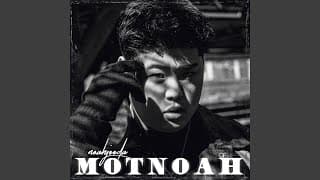
Love over hip hop, money over love (feat. Basick)
"Love over hip hop, money over love (feat. Basick)" by 노아주다 (noahjooda) is a reflective track that explores the hierarchy of priorities in an artist's life. Here is an analysis of the song: 1. Overall Theme The song explores the internal conflict between artistic passion, romantic devotion, and the harsh necessity of financial survival. It presents a realistic, somewhat cynical hierarchy: while the artist values love more than his craft (hip hop), he ultimately acknowledges that in the modern world, money often takes precedence over love to ensure security. 2. Key Lyrics Analysis * "Love over hip hop, money over love": This recurring mantra establishes the song's core logic. It suggests that while hip hop is a career, love is more humanly significant. However, the phrase "money over love" acts as a "cold shower" realization—admitting that without financial stability, maintaining love becomes an exhausting struggle. * Basick’s Verse: Basick, a veteran in the Korean hip-hop scene, often brings a "provider" perspective. His lyrics usually touch on the transition from a young dreamer to a man with responsibilities. His contribution highlights the exhaustion of the "grind" and the guilt of prioritizing work/money to support the ones he loves. * Lines about "Success": The lyrics often touch on the idea that success isn't just about fame, but about the freedom to stop worrying about the price tags attached to life’s basic comforts. 3. Emotional Tone The tone is melancholic, weary, and pragmatic. It doesn’t carry the aggressive "hustle culture" energy found in many trap songs. Instead, it feels like a late-night conversation. There is a sense of nostalgia for a time when "just hip hop" was enough, contrasted with the heavy, grounded reality of adulthood. 4. Cultural Context In the South Korean Hip-Hop (K-Hiphop) scene, there is a long-standing tension between "selling out" and "staying true." This song navigates that by being brutally honest about the Korean economic reality. For many artists in Seoul’s competitive environment, the pressure to achieve "Bujeo" (wealth) is intertwined with the ability to maintain a stable relationship and social status. The song reflects a generation that is romantically inclined but economically anxious. 5. Artist Context Noahjooda (노아주다) is known for his smooth, melodic flow and his ability to blend indie-pop sensibilities with hip-hop. This song serves as a bridge between his more experimental sounds and mainstream relatability. By featuring Basick (the winner of *Show Me The Money 4*), Noahjooda gains "street cred" while contrasting his youthful, melodic perspective with Basick’s seasoned, technical, and grounded veteran persona. This collaboration marks a significant moment in Noahjooda's discography, showing his growth into more mature, thematic songwriting.

다이나믹 듀오(Dynamicduo) - '죽일 놈 (Guilty)' M/V
"죽일 놈 (Guilty)," released in 2009 by the legendary hip-hop duo Dynamic Duo, remains one of the most iconic songs in Korean hip-hop history. Here is an analysis of the track: 1. Overall Theme The song explores the exhaustion and emotional decay of a toxic, long-term relationship. It depicts a man who has reached his breaking point, feeling suffocated by his partner’s constant suspicion and demands, eventually accepting the role of the "villain" just to end the cycle of fighting. 2. Key Lyrics Analysis * "내가 죽일 놈이지 뭐" (I guess I’m the one who should die / I’m the one to blame): The title "죽일 놈" literally translates to "a guy who deserves to be killed." This refrain isn't a sincere apology; it is a sarcastic, defeatist statement. He is saying, "Fine, if it makes you stop yelling, I’ll be the bad guy." * "미안하다는 말은 내 전매특허" (Saying sorry is my specialty/trademark): This line highlights how apologies have become a reflex rather than a genuine expression of regret. It shows the breakdown of communication where words have lost their meaning. * "사랑은 구속이 아닌 것 같은데" (I don't think love is about being restrained): This captures the core conflict—the tension between her desire for control/security and his need for personal space and freedom. 3. Emotional Tone The tone is a complex mix of exhaustion, resentment, and cynicism. While the melody is catchy and mid-tempo, the lyrics are heavy with the fatigue of someone "walking on eggshells." There is a sense of bitterness toward the partner, but also a underlying sadness because both parties know the love has turned into a prison. 4. Cultural Context In South Korean dating culture, there is a common trope of the "tired boyfriend" who is constantly interrogated about his whereabouts or female friends. This song resonated deeply because it portrayed this "K-relationship" dynamic with brutal honesty. The phrase "죽일 놈" is a common hyperbolic expression of self-deprecation used in intense arguments, making the song feel incredibly realistic to the Korean public. 5. Artist Context "죽일 놈 (Guilty)" was the lead single from Dynamic Duo's 5th album, *Band of Dynamic Brothers*. It was released shortly before members Gaeko and Choiza began their mandatory military service. The song’s massive mainstream success solidified their status not just as "rappers," but as masterful storytellers who could bridge the gap between underground hip-hop and the general public's sensibilities. It remains their "signature" song to this day.

꽃이 되어줄게
"꽃이 되어줄게" (I’ll Be Your Flower) is a soulful ballad by Lee Changsub, the lead vocalist of the K-pop group BTOB. Released as a pre-release single for his first solo full-length album, *1991*, the song showcases his signature emotional depth and powerful vocal range. Here is an analysis and explanation of the song: ### 1. Overall Theme The song is a poignant "healing" ballad centered on the theme of unconditional support and companionship. It uses the metaphor of a flower to represent a promise to stay by someone’s side, offering warmth and beauty even during their darkest or coldest moments. It is a selfless declaration of love and a commitment to be a source of comfort. ### 2. Key Lyrics Analysis * "내가 너의 꽃이 되어줄게" (I’ll become a flower for you): This is the core metaphor. In the song, a flower isn't just something pretty to look at; it represents a living presence that provides "scent" (comfort) and color to a person’s dull or difficult life. * "시린 겨울이 와도 난 지지 않을게" (Even if a freezing winter comes, I won't wither): "Winter" symbolizes life’s hardships, loneliness, or depression. By promising not to wither, the singer vows to be a resilient, steady force that won't abandon the listener when things get tough. * "그저 네 곁에서 향기를 채울게" (I’ll just fill your side with my scent): This suggests a gentle, non-intrusive form of love. He doesn’t demand change from the listener; he simply wants to exist in their space and make it more bearable through his presence. ### 3. Emotional Tone The tone is warm, sincere, and protective. It begins with a delicate, acoustic piano arrangement that feels intimate, like a whispered secret. As the song progresses, Changsub’s vocals build into a powerful, soaring crescendo, shifting the mood from quiet comfort to an intense, passionate vow. The listener is left feeling "hugged" by the music. ### 4. Cultural Context In South Korea, there is a strong appreciation for "Healing Music" (힐링송)—songs specifically designed to comfort the public during times of economic or social stress. Flowers are a common motif in Korean poetry and lyrics to represent the blooming of the soul after a long wait. Changsub’s choice to use this imagery resonates with a culture that values "Jeong" (정)—a deep, resonant bond and sense of loyalty toward others. ### 5. Artist Context This song marks a significant milestone as it comes from Lee Changsub’s first full-length solo album since his debut 12 years ago. While he is known as the "mood maker" of BTOB, he has established a solo identity as a "Vocal King." * Vocal Growth: The song highlights his transition from a standard idol singer to a sophisticated balladeer who can handle complex emotional textures. * BTOB Identity: BTOB is often called "Healing Idols," and this song carries that group legacy into his solo work, solidifying his reputation as a singer who "sings for the weary."