
Latest Articles

AYLIVA - Renn! (Official Video)
"Renn!" (which translates to "Run!") is a powerful and cinematic track by the German-Turkish singer AYLIVA. It serves as both a personal catharsis and a universal warning about the dangers of toxic, abusive relationships. Here is an analysis of the song: ### 1. Overall Theme The song centers on the harrowing realization that a romantic partner has become a source of fear and danger rather than safety. It depicts the psychological struggle of a woman trapped in a cycle of manipulation and domestic violence, ultimately serving as an urgent plea for escape and survival. ### 2. Key Lyrics Analysis * "Renn, so schnell du kannst, wenn du mich siehst" (Run as fast as you can when you see me): While this line can be interpreted in multiple ways, it often represents the singer warning her past self or other women to flee the moment they recognize the "red flags" she ignored. It suggests that the person she once loved has transformed into someone unrecognizable. * "Du bist kein Mann" (You are no man): This is a direct attack on the abuser’s ego. In many cultures, "being a man" is associated with protection and honor; by saying this, AYLIVA strips him of his dignity, labeling his violence as a sign of weakness and cowardice. * "Ich hab' Angst vor dir" (I am afraid of you): This simple, raw admission breaks the silence that often surrounds domestic abuse. It shifts the narrative from "love" to "survival." * The Metaphor of the "Monster": Throughout the lyrics and the video, the partner is portrayed as someone who hides a dark, violent nature behind a normal facade, emphasizing the "Jekyll and Hyde" dynamic common in abusive cycles. ### 3. Emotional Tone The tone is urgent, desperate, and raw. The song begins with a sense of vulnerability and fear, but as the production builds, it transforms into an empowering anthem of defiance. AYLIVA’s vocals transition from soft, breathy whispers of trauma to powerful, belted notes that signify her reclaiming her voice. ### 4. Cultural Context In the German music scene, AYLIVA has become a prominent figure for addressing domestic violence and toxic masculinity, topics that were often considered taboo in mainstream pop and rap. Given her Turkish heritage, her music also resonates deeply within the migrant community, where she challenges traditional gender roles and the "shame" (Haya/Ayıp) often associated with speaking out against family or relationship issues. The song contributed to a larger social conversation in Germany about the protection of women. ### 5. Artist Context "Renn!" is a cornerstone of AYLIVA’s artistic identity. She first rose to fame on TikTok with a voice memo of an abusive ex-partner (which became the intro to her hit "Deine Schuld"). "Renn!" continues this narrative arc, moving from the initial shock of betrayal to the necessity of leaving. This song helped solidify her status as one of Germany’s most successful female artists, known for her "Emotional RnB" style and her ability to turn personal trauma into cinematic, relatable art for millions of listeners.

SET DO JAPA NK 2.0
"SET DO JAPA NK 2.0" by DJ Japa NK is a quintessential example of the "Funk Mineiro" (Funk from Belo Horizonte) scene. It is a collaborative "Set" (a long track featuring multiple vocalists) designed for the high-energy environment of street parties. ### 1. Overall Theme The song is an anthem for the underground nightlife and "baile funk" culture of Belo Horizonte (BH), Brazil. It centers on hedonism, the "tropa" (crew) mentality, and the specific atmosphere of parties where drugs, sexual freedom, and heavy, minimalist basslines dominate the social landscape. ### 2. Key Lyrics Analysis Because this is a "Set," the lyrics shift between different MCs, but several recurring themes stand out: * "Tropa do Japa": This phrase identifies the listeners and the artists as part of DJ Japa NK's specific movement or crew, creating a sense of tribal loyalty common in the funk scene. * References to "Lança" and "Mel": The lyrics frequently mention "lança-perfume" (an inhalant) or "mel" (honey/syrup used in drinks). These serve as markers of the specific "fluxo" (street party) lifestyle where substance use is normalized as part of the celebration. * "Ritmo de BH": The lyrics often emphasize the unique rhythm of Minas Gerais. Unlike the funk from Rio or SP, the lyrics here are often delivered as rhythmic chants that prioritize the "beat" over complex storytelling, focusing instead on physical movement and "saliência" (promiscuity). ### 3. Emotional Tone The tone is aggressive, hypnotic, and unapologetically raw. It is not meant to be "pretty" or melodic; rather, it aims to be "estourado" (blown out). It conveys a sense of chaotic energy and rebellion, intended to make the listener feel the intensity of a crowded, bass-heavy party. ### 4. Cultural Context The song belongs to the Funk Mandelão or MTG (Montagem) subgenres. Specifically, it highlights the Belo Horizonte (BH) style, which is currently one of the most influential sounds in Brazil. This style is characterized by "dry" beats, heavy distortion, and "caixa alta" (high-volume) production. It reflects the reality of the peripheries (favelas) of Minas Gerais, where these parties serve as a primary form of cultural expression and release. ### 5. Artist Context DJ Japa NK is a key figure in the "Proibidão" and "Mandelão" scenes in BH. This "2.0" set serves as a sequel to his previous successful collaborations, solidifying his role as a "curator" of the scene. By bringing together various MCs on one track, he acts as the architect of the sound, proving his ability to dictate what will be played in the streets and on social media platforms like TikTok, where this style of music frequently goes viral.

Reliquia do 2T (feat. MC Fr da Norte, Mc Dkziin)
"Reliquia do 2T" by MC Vine7 (featuring MC Fr da Norte and MC Dkziin) is a quintessential example of Brazilian "Funk de Fluxo" or "Funk de Mil Grau," focusing heavily on the motorcycle culture prevalent in the urban peripheries (favelas) of Brazil. ### 1. Overall Theme The song is a tribute to the legacy and thrill of two-stroke (2T) engine motorcycles, which are considered "relics" in the Brazilian street scene. It celebrates the lifestyle of riding these high-performance vintage bikes, performing stunts, and the status that comes with mastering machines that are known for their distinct sound, smell, and speed. ### 2. Key Lyrics Analysis * "Reliquia do 2T" (Relic of the 2T): This refers to older, iconic motorcycles like the Yamaha DT 180 or RD 135. Unlike modern four-stroke engines, two-stroke engines are famous for their raw power and high-pitched exhaust note. Calling them "relics" implies a deep respect for "old school" street culture. * "O barulho do motor" / "Fumaça pro alto": These lines refer to the sensory experience of a 2T bike. These engines produce a specific cloud of blue smoke (due to the oil-fuel mix) and a "screaming" noise that signals the rider's presence from blocks away. * "Passando no grau": The "grau" is the Brazilian art of doing wheelies. In the lyrics, this is portrayed as a display of skill and defiance. Successfully "pulling the grau" is a way for young men in the favela to gain social capital and respect. * "Fuga dos bota": A common theme in this subgenre, referring to the adrenaline of escaping police pursuits ("bota" is slang for police). It highlights the rebellious nature of the motorcycle lifestyle. ### 3. Emotional Tone The tone is nostalgic yet high-adrenaline. There is a palpable sense of pride and brotherhood among the artists as they boast about their riding abilities. The song feels celebratory, capturing the "vibe" of a Sunday afternoon in the favela where riders gather to show off their bikes. ### 4. Cultural Context * The "Grau" Culture: In Brazil, "O Grau" is more than a stunt; it is a massive subculture with its own fashion, language, and social media stars. * Mechanic Nostalgia: Two-stroke bikes are increasingly rare due to environmental regulations. Owning a well-maintained "relic" in the favela is a sign of wealth and technical knowledge, as these bikes require constant tuning. * The "Fluxo": This music is designed to be played at "Fluxos" (street parties), where motorcycles are often revved in rhythm with the funk beats (a practice known as *bololô*). ### 5. Artist Context MC Vine7 is an artist who navigates the "Funk de Fluxo" scene, often focusing on themes of daily life in the periphery, ostentation, and motorcycle culture. By collaborating with MC Fr da Norte and MC Dkziin, he taps into a specific niche of listeners who prioritize "motorcycle funk." This song serves to solidify his identity within the "Mil Grau" community, positioning him as a voice for those who find freedom and identity on two wheels.

Eu Me Apaixonei
"Eu Me Apaixonei" (famously known as "Volta Rapariga") is the breakout hit by Brazilian singer Vitinho Imperador. It became a viral sensation across Brazil, particularly on social media platforms like TikTok. Here is an analysis of the song: 1. Overall Theme The song tells the story of a man who has fallen deeply in love with a woman who leads a wild, unattached, and party-centric lifestyle. It centers on the irony and desperation of being "hooked" on someone who isn't interested in a serious commitment or a traditional relationship. 2. Key Lyrics Analysis * "Eu me apaixonei pela pessoa errada" *(I fell in love with the wrong person)*: This line is a nod to a classic Brazilian Pagode hit by Exaltasamba, but Vitinho uses it here to highlight his regret. He knows his feelings are misplaced because his partner values the "street life" more than him. * "Volta, rapariga" *(Come back, [party girl/mistress])*: This is the most famous line of the song. While the term "rapariga" can be derogatory in many contexts, in the slang of the Brazilian Northeast and this musical genre, it refers to a woman who loves the nightlife and parties. His plea for her to return shows his vulnerability and his willingness to overlook her lifestyle just to have her back. * "Você não vale nada, mas eu te amo" *(You are worth nothing, but I love you)*: This summarizes the "toxic" attraction common in the genre—the singer acknowledges the person is "no good" for him, yet he remains emotionally dependent. 3. Emotional Tone The tone is energetic yet melancholic. Musically, it is upbeat and danceable, designed for parties and clubs. However, the lyrics convey a sense of desperate longing and frustration. It captures the "sofrência" (suffering) vibe—a staple of modern Brazilian regional music where people dance while singing about their heartbreaks. 4. Cultural Context The song is a prime example of Piseiro (or Pisadinha), a subgenre of Forró from the Northeast of Brazil characterized by simple keyboard beats and electronic production. The lyrics reflect a specific "nightlife culture" in rural and suburban Brazil, where themes of drinking, unrequited love for "party girls," and the contrast between domestic life and the "farra" (the party) are very popular. 5. Artist Context This song was the turning point in Vitinho Imperador's career. Released in 2021, it catapulted him from a local artist in Alagoas to a national star. The track’s success was driven by its "catchy" hook and simple choreography, which made it a massive hit among digital influencers. It solidified Vitinho’s place as one of the rising faces of the modern Piseiro movement.

Tu Xera
"Tu Xera" by Anderson & Vei da Pisadinha is a viral hit within the Brazilian Piseiro genre. It is a high-energy, humorous song that captures the playful and often irreverent spirit of modern Northeastern Brazilian dance music. ### 1. Overall Theme The song centers on the narrator "calling out" a romantic interest for their provocative and untrustworthy aura. It describes a person who radiates a vibe of mischief, flirtation, and deceit, yet the narrator remains captivated by this "toxic" allure. ### 2. Key Lyrics Analysis * "Tu xera": This is a regional pronunciation of *"Tu cheira"* (You smell like). In this context, it doesn't refer to literal scent, but rather the "vibe" or "aura" someone gives off. * "Tu xera a maldade / Tu xera a safadeza": "Maldade" (wickedness/mischief) and "safadeza" (naughtiness/promiscuity) are key terms in Piseiro. The lyrics suggest the person is a "troublemaker" in a sexual or romantic sense—someone who knows how to play the game of seduction. * "Tu xera a mentira": (You smell like lies). This line highlights that the person is likely a "player" or dishonest, adding a layer of irony because the upbeat rhythm suggests the narrator doesn't mind the deception as long as the party continues. ### 3. Emotional Tone The tone is playful, irreverent, and high-energy. Despite the lyrics mentioning "lies" and "mischief," there is no sense of sadness or betrayal. Instead, it feels like a comedic confrontation meant to be shouted at a party. It is designed for dancing and celebration, prioritizing rhythm and humor over deep emotional reflection. ### 4. Cultural Context * Piseiro/Pisadinha: This is a modern subgenre of Forró that originated in the Brazilian Northeast. It relies heavily on electronic keyboards and a "stumping" beat. It is the music of the *paredões* (massive mobile sound systems). * Regionalism: The song uses the raw, informal dialect of the rural Northeast (e.g., using "xera" instead of the standard "cheira"). This authenticity is a hallmark of the genre, making it relatable to the working class and rural populations before it became a national pop phenomenon. * Viral Nature: The song’s repetitive, catchy hook was tailor-made for social media platforms like TikTok and Instagram Reels, where the "Tu Xera" refrain became a popular background track for comedic sketches. ### 5. Artist Context Anderson & Vei da Pisadinha represent the "lo-fi" or "raw" side of the Piseiro movement. Unlike high-budget pop stars, their style feels organic and unpolished, which helped them stand out in the crowded Brazilian music scene. "Tu Xera" is one of their most significant hits, helping to cement their reputation as artists who bring humor and a "bar-room" authenticity to the dance floor.

CG5 - Wrong Side Out (from Poppy Playtime: Chapter 5)
Here is an analysis and explanation of "Wrong Side Out" by CG5. *Note: While the prompt mentions "Chapter 5," this song is primarily based on the characters and lore of Poppy Playtime: Chapter 3 (Deep Sleep), specifically focusing on the tragedy of the Smiling Critters.* 1. Overall Theme The song explores the horrific transformation and loss of innocence of the "Smiling Critters" mascots within Playtime Co. It focuses on the theme of being physically and mentally mutilated—turned "wrong side out"—as friendly toys are converted into nightmarish monsters to serve the Prototype. 2. Key Lyrics Analysis * "Keep a smile on your face, don't let them take your joy away.": This highlights the irony of the characters' design. They were built to represent happiness, but the lyrics suggest a forced, artificial joy that masks the suffering occurring behind the scenes. * "Everything you know is turned wrong side out.": This is the central metaphor of the song. It refers to "Evisceration" and the literal turning of toys inside out, but also the psychological shift where protectors (like CatNap) become predators. * "Feeding the Prototype": This references the overarching antagonist of the series. It suggests that the characters have no autonomy and exist only to sustain a higher, more malevolent power. * "Lavender clouds in the Deep Sleep": A direct reference to CatNap’s red poppy gas, which induces hallucinations and a "deep sleep" from which the children/toys never truly wake up in the same way. 3. Emotional Tone The song carries a menacing and aggressive energy, driven by a heavy, rhythmic beat that mimics the industrial nature of the toy factory. However, there is an underlying sense of tragedy and despair, capturing the feeling of characters who are trapped in their own bodies and forced to commit acts of violence. 4. Cultural Context "Wrong Side Out" belongs to the Mascot Horror music subgenre. This genre thrives on the contrast between childhood nostalgia (bright colors, plush toys) and visceral horror (blood, abandonment, machinery). The song specifically taps into the "Deep Sleep" lore of *Poppy Playtime*, which deals with the dark history of the "Playcare" orphanage and the experiments performed on orphans to turn them into living toys. 5. Artist Context CG5 (Charlie Green) is one of the most prominent figures in the "Nerdcore" and gaming music scene. This song fits perfectly into his career trajectory of creating high-production-value "fan songs" that often become as popular as the games themselves. Following his previous hits for *Poppy Playtime* (like "Sleep Well"), "Wrong Side Out" reinforces his ability to take complex game lore and distill it into a catchy, dark pop-electronic anthem that resonates with the gaming community.

Vai Tomando Pock Pock (feat. MC Meno K, MC PR)
"Vai Tomando Pock Pock" by MC Lele JP, featuring MC Meno K and MC PR, is a high-energy Brazilian Funk track that exemplifies the modern "MTG" (montagem) and "Mandela" styles popular in the streets and clubs of Brazil. Here is an analysis of the song: 1. Overall Theme The song is a hedonistic anthem focused on late-night party culture, casual sexual encounters, and the rhythmic intensity of the *Baile Funk* scene. It primarily serves as a "dance floor filler," using repetitive, percussive lyrics to drive the energy of a crowd or a social media dance challenge. 2. Key Lyrics Analysis * "Vai tomando pock pock": The phrase "pock pock" is an onomatopoeia common in Brazilian funk. It mimics the sound of a heavy, dry bass hit and is used as a metaphor for both the rhythm of the dance and the rhythmic nature of a sexual encounter. * "Sequência de socadão": This translates to a "sequence of heavy thrusts/hits." In the context of the song, it refers to the aggressive, pounding beat of the music that compels people to dance, while also carrying a literal sexual connotation typical of the *Funk Putaria* subgenre. * "As piranha fica louca": While the word "piranha" is literally a fish, in funk slang it is often used (sometimes pejoratively, sometimes reclaimed) to refer to women who are uninhibited and enjoying the party. The line suggests that the music is so infectious that it drives the crowd into a frenzy. * "No beat do DJ...": Much of the lyrical content is dedicated to shouting out the producer or the specific rhythm, highlighting that in this genre, the "beat" is often more important than the lyrical depth. 3. Emotional Tone The tone is aggressive, hedonistic, and high-adrenaline. It does not aim for emotional vulnerability; instead, it projects a sense of street-wise confidence and raw physical energy. The repetitive nature of the vocals creates a hypnotic, trance-like state designed to keep people moving. 4. Cultural Context * The "Fluxo" Culture: This song is designed for "fluxos"—spontaneous street parties in the favelas and urban outskirts of São Paulo and Rio de Janeiro. * TikTok and Reels: The structure of the song (catchy onomatopoeia and a heavy "drop") is tailor-made for viral video content. The "Pock Pock" sound has become a staple in short-form video choreography worldwide, often transcending the Portuguese language barrier. * Onomatopoeic Funk: Modern funk frequently uses sounds like "vuc vuc," "taca taca," or "pock pock" to emphasize the percussion, making the music accessible to international audiences who may not understand the slang but can feel the rhythm. 5. Artist Context MC Lele JP is a significant figure in the "Funk Consciente" (conscious funk) and "Ostentação" (luxury funk) scenes, but "Vai Tomando Pock Pock" shows his versatility in moving into the "Funk de Fluxo" or "Putaria" styles. By collaborating with MC Meno K (known for his raw, street-style delivery) and MC PR, Lele JP solidifies his presence in the "viral" side of the industry. This track represents a pivot toward the digital-first era of music, where a song's success is measured by its "danceability" and its ability to go viral on social media platforms.

DYSTINCT - TA3AL (Official Music Video) / ديستانكت - تعال
"TA3AL" by DYSTINCT is a vibrant, multi-lingual hit that blends contemporary urban sounds with North African influences. Here is an analysis of the song: 1. Overall Theme The song is a romantic and rhythmic invitation to a love interest. The title "TA3AL" translates to "Come" or "Come here" in Arabic, and the lyrics focus on the magnetic attraction between two people, expressing a desire to be together and enjoy life's pleasures. 2. Key Lyrics Analysis * "Ta3al, ta3al" (Come, come): This is the central hook of the song. It serves as a direct, confident plea for the partner to stop hesitating and join him. It transforms a simple command into a catchy, hypnotic invitation. * The use of Darija (Moroccan Arabic) and French: DYSTINCT seamlessly switches between "Habiba" (my love) and French romantic expressions. This reflects his identity as a member of the Moroccan diaspora and makes the song relatable to a global audience, particularly in Europe and the Maghreb. * References to travel and luxury: Often mentioning locations like Marbella or high-end lifestyles, the lyrics suggest that the singer wants to provide his partner with the best experiences, moving the relationship into a world of excitement and adventure. 3. Emotional Tone The tone is celebratory, flirtatious, and high-energy. It isn’t a melancholic love song; instead, it carries a "summer anthem" vibe. It conveys feelings of confidence, passion, and the joy of a budding or thriving romance, backed by a beat that encourages dancing. 4. Cultural Context * Afro-Maghreb Fusion: The song is a prime example of the "Afro-Maghreb" genre, which blends West African Afrobeats rhythms with North African melodies (Raï and Gnawa influences). * Diaspora Identity: DYSTINCT represents a generation of artists (like L'Algérino or Soolking) who bridge the gap between their North African heritage and their European upbringing (Belgium/Netherlands). The song’s massive success across the Middle East and Europe highlights the growing global influence of Moroccan Darija in mainstream music. 5. Artist Context "TA3AL" solidified DYSTINCT’s position as a powerhouse in the international urban scene. Following the massive success of his previous hits like "Ghazali," this track proved that his sound—smooth vocals paired with infectious, danceable production—wasn't just a fluke. It cemented his reputation for creating "viral" music that performs exceptionally well on social media platforms like TikTok and Instagram, further propelling his career into the global spotlight.
![Anne-Marie - 2002 [Official Video]](/_next/image?url=https%3A%2F%2Fimg.youtube.com%2Fvi%2FIl-an3K9pjg%2Fmqdefault.jpg&w=3840&q=75)
Anne-Marie - 2002 [Official Video]
Here is an analysis and explanation of Anne-Marie’s hit song "2002." 1. Overall Theme The song is a nostalgic tribute to childhood romance and the formative power of music. It tells the story of two friends who fell in love as young teenagers, using the popular songs of that era as the soundtrack to their blossoming relationship. 2. Key Lyrics Analysis The most defining part of the song is the chorus, which cleverly weaves together titles and lyrics from massive hits released around the turn of the millennium: * *"Oops, I got 99 problems singing bye, bye, bye"*: This line mashes up Britney Spears ("Oops!... I Did It Again"), Jay-Z ("99 Problems"), and *NSYNC ("Bye Bye Bye"). * *"Hold up, if you wanna go and take a ride with me / Better hit me, baby, one more time"*: These lines reference Nelly ("Ride Wit Me") and Britney Spears ("...Baby One More Time"). * *"I will always remember the day you kissed my lips / Light as a feather"*: These verses ground the song in a personal narrative, suggesting that the music of 2002 is inseparable from her memory of her first love. 3. Emotional Tone The tone is nostalgic, sweet, and celebratory. It evokes a "coming-of-age" feeling that is both sentimental and upbeat. There is a sense of innocence in the lyrics, capturing the pure, uncomplicated excitement of a "crush" before the complexities of adulthood. 4. Cultural Context The song acts as a "millennial time capsule." While the title is "2002," the songs referenced were actually released between 1998 and 2004. The year 2002 represents a metaphorical "sweet spot" for Anne-Marie (who was 11 years old then) and her peers. * The Music Video: The official video reinforces this context by having Anne-Marie recreate iconic aesthetics from that era, such as Britney Spears’ schoolgirl outfit and the choreography of early 2000s boy bands. 5. Artist Context "2002" was a pivotal track for Anne-Marie’s career, appearing on her debut studio album, *Speak Your Mind* (2018). * The Ed Sheeran Connection: The song was co-written with her close friend Ed Sheeran. Sheeran actually pressured her to release it as a single because he recognized its "instant classic" potential. * Career Impact: It became one of her most successful singles globally, solidifying her image as a relatable, "girl-next-door" pop star who honors her musical roots.
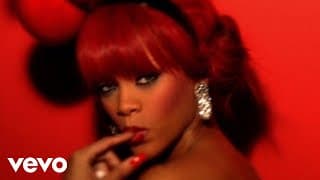
Rihanna - S&M
Here is an analysis of Rihanna’s hit single "S&M" from her 2010 album *Loud*. 1. Overall Theme The song uses the provocative metaphors of BDSM (Bondage, Discipline, Sadism, and Masochism) to describe Rihanna’s "love-hate" relationship with the media and the public. It explores the idea that while the tabloid press and gossip can be painful, Rihanna finds a sense of empowerment and thrill in being the center of attention. 2. Key Lyrics Analysis * "Sticks and stones may break my bones, but chains and whips excite me": This is a clever subversion of the traditional nursery rhyme. Rihanna suggests that instead of being hurt by the "sticks and stones" (media criticism and rumors), she finds the intensity and "danger" of her fame sexually and creatively stimulating. * "‘Cause I may be bad, but I’m perfectly good at it": This line reinforces her "Bad Gal" persona. She acknowledges her reputation for being rebellious but asserts that she is a master of her craft and her public image. * "Sex in the air, I don't care, I love the smell of it": This highlights the song's themes of liberation and lack of shame. She is leaning into her sexuality as a form of defiance against those who try to judge or restrict her. 3. Emotional Tone The tone is provocative, defiant, and playful. It is an aggressive electro-pop track that feels like a celebration of control. Despite the "pain" mentioned in the lyrics, the energy is high and unapologetic, conveying a sense of confidence and total self-assurance. 4. Cultural Context At the time of its release, the music video for "S&M" was highly controversial and was banned in 11 countries due to its suggestive content. The video explicitly connects the song's sexual themes to the media; it features Rihanna leading gossip bloggers around on leashes and being wrapped in Saran Wrap, symbolizing how she is "packaged" and consumed by the public. It was a direct response to the intense tabloid scrutiny she faced in the late 2000s. 5. Artist Context "S&M" was a pivotal track in Rihanna’s career, released during her *Loud* era. Following the darker, more introspective *Rated R* album, "S&M" signaled a return to dance-floor anthems but kept the "edgy" persona she had developed. It helped solidify her status as a pop icon who could balance mainstream commercial success with controversial, boundary-pushing themes. The song eventually reached Number 1 on the Billboard Hot 100, especially after a high-profile remix featuring Britney Spears.
And July (Feat. DEAN & DJ Friz)
"And July" is a seminal track in the Korean R&B scene, known for its groovy production and the electric chemistry between Heize and DEAN. Here is an analysis of the song: 1. Overall Theme The song explores the "friends-to-lovers" trope, focusing on the awkward, tense, and playful transition from long-term friendship to a romantic relationship. It captures that specific moment in mid-summer when two people realize they can no longer pretend their feelings are strictly platonic. 2. Key Lyrics Analysis * "We’re just friends, that’s what I said to everyone": This line highlights the social facade the protagonists maintain. They have built a wall of "friendship" to protect themselves from the vulnerability of confession. * "Everything changed since July": July serves as a metaphor for the "heat" of passion. The change in season reflects the internal change in their hearts; the stifling summer heat mirrors the suffocating feeling of unexpressed love. * "I can give you the world": In DEAN’s verse, the tone shifts from casual bickering to a sincere declaration. It represents the "all-in" moment where one friend finally decides to take the risk and offer everything to the other. * The petty bickering (Visual/Lyric context): The lyrics and accompanying music video emphasize a "Tom and Jerry" dynamic. They fight and annoy each other because they don't know how to handle the romantic tension properly. 3. Emotional Tone The tone is playful, groovy, and flirtatious, yet underscored by a sense of hesitation. It isn't a heavy or dramatic love song; instead, it feels like a cool breeze on a humid day. There is a sense of "coolness" (typical of the K-RnB genre) mixed with the endearing clumsiness of two people trying to navigate new emotions. 4. Cultural Context The song perfectly captures the Korean concept of "Some" (썸)—the stage of "something" between two people who are more than friends but not yet a couple. It also reflects the aesthetic of the "K-Indie/R&B" movement of the mid-2010s, which moved away from polished idol pop toward more atmospheric, jazz-influenced, and "chill" sounds that resonated with young adults in urban settings like Seoul. 5. Artist Context "And July" was a pivotal moment for Heize. Released shortly after her appearance on *Unpretty Rapstar*, it solidified her transition from a "reality show rapper" to a credible, chart-topping R&B artist. For DEAN, who produced the track, it further established his reputation as the "R&B Prince" of Korea. This collaboration remains one of the most iconic pairings in the genre, proving that Heize’s unique, slightly nasal vocal tone paired perfectly with DEAN’s smooth, soulful delivery.
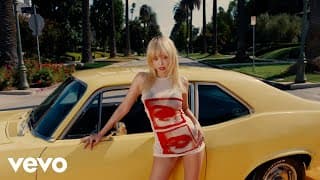
JENNIE - Mantra (Official Video)
"Mantra" by JENNIE (Jennie Ruby Jane) is a high-energy pop anthem that celebrates feminine confidence, autonomy, and the power of self-expression. Released as a bold statement of her solo identity, the song serves as a "rulebook" or a chant for those who embrace their inner strength and style. ### 1. Overall Theme The song is a celebratory anthem focused on female empowerment, self-love, and the "pretty girl" archetype redefined as a position of power. It encourages listeners to define their own "mantra"—a set of personal principles—while championing a lifestyle of independence, glamour, and unapologetic presence. ### 2. Key Lyrics Analysis * "This that pretty girl mantra, this that philly cheese steak": This line uses a quirky juxtaposition. While "pretty girl mantra" establishes the theme of aesthetic confidence, the "philly cheese steak" reference adds a layer of grit and realness, suggesting that her brand of "pretty" isn't fragile—it’s substantial and "meaty." * "Sometimes girls just gotta have fun / We don't need a reason, we just do it 'cause we can": A nod to classic feminist pop tropes (like Cyndi Lauper), emphasizing agency and the right to enjoy life without needing to justify it to anyone. * "Defrosting, I’m the main character": This uses internet slang ("main character energy") to describe her comeback. "Defrosting" implies she has been waiting for the right moment to emerge and take center stage. * "Love my sisters, we stay on that vibe": This highlights female solidarity, showing that her empowerment isn't just about individual success but about uplifting other women. ### 3. Emotional Tone The tone is bold, playful, and assertive. The song carries a sense of chic nonchalance; JENNIE sounds relaxed yet completely in control. There is an infectious energy that feels both "cool" (detached and stylish) and "hot" (energetic and commanding). ### 4. Cultural Context * "That Girl" Aesthetic: The song leans into the modern "it-girl" or "that girl" culture prevalent on social media (TikTok/Instagram), where self-care, fashion, and confidence are curated into a lifestyle. * Global Fusion: By referencing different locations and styles, the song targets a global audience, bridging the gap between K-pop’s meticulous production and the gritty, bass-heavy sounds of Western pop and R&B. ### 5. Artist Context "Mantra" marks a pivotal moment in JENNIE’s career as her first major solo release under her own label, OA (Odd Atelier). After years of being part of the global phenomenon BLACKPINK, this song represents her creative independence. It moves away from the "K-pop idol" mold toward a "Global Pop Star" identity, allowing her to experiment with more provocative, Western-leaning sounds and lyrics that reflect her personal growth and business autonomy.