
Latest Articles

Maher Zain & Harris J - Qalbi Fil Madinah | Official Music Video | قلبي في المدينة
Here is an analysis of the song "Qalbi Fil Madinah" (My Heart is in Medina) by Maher Zain and Harris J. 1. Overall Theme The song is a devotional tribute to the city of Medina, the burial place of Prophet Muhammad (PBUH). Its central theme is "Shawq" (spiritual longing), expressing the deep peace, love, and emotional attachment a believer feels toward the city and the Prophet, suggesting that even when one leaves Medina physically, their heart remains there. 2. Key Lyrics Analysis * "Qalbi fil Madinah" (My heart is in Medina): This is the core message of the song. It signifies that Medina is not just a geographic location, but a spiritual home that holds the singer’s soul and tranquility. * "The city of the chosen one": This refers to the Prophet Muhammad (PBUH), known in Arabic as *Al-Mustafa* (The Chosen). It highlights the city's status as the destination of the *Hijrah* (migration) and the center of Islamic history. * "Peace be upon the one who brought us light": This is a poetic form of *Salawat* (sending blessings). The "light" refers to the guidance of Islam, and the lyrics emphasize gratitude for the Prophet’s role as a mercy to mankind. * "I leave a part of me behind": This expresses the bittersweet feeling pilgrims experience when leaving the city, suggesting that the spiritual connection formed there is permanent. 3. Emotional Tone The emotional tone is soulful, serene, and nostalgic. The melody is gentle and reflective, evoking a sense of "Sakinah" (divine tranquility). There is a palpable sense of yearning and "Ishq" (intense love) for the Prophet, balanced by the joy and comfort found in his presence. 4. Cultural Context * Medina (Al-Madinah al-Munawwarah): Known as the "Radiant City," it is the second holiest site in Islam. For Muslims, visiting Medina and the Prophet’s Mosque (*Al-Masjid an-Nabawi*) is an experience of deep emotional healing. * Nasheed Tradition: The song belongs to the modern *Nasheed* genre, which uses contemporary pop production to convey Islamic values and stories, making spiritual themes accessible to a global, younger audience. * The Green Dome: The imagery often associated with these lyrics refers to the famous Green Dome of the Prophet's Mosque, which serves as a universal symbol of love for the Prophet. 5. Artist Context * Maher Zain: As the most influential figure in modern Islamic music, this song reinforces his "Global Muslim Pop" style. It showcases his ability to blend Arabic and English effortlessly to unite the global *Ummah* (community). * Harris J: Often called the "Muslim Justin Bieber" early in his career, this collaboration shows his growth into more mature, spiritual themes. * The Collaboration: This track represents a "mentor-protege" dynamic between Zain and Harris J, the two biggest stars of the Awakening Music label. It bridges the gap between different generations of listeners by combining Maher's classic spiritual depth with Harris's contemporary vocal style.

MONTAGEM XONADA (Brazilian Funk + Phonk) MXZI, DJ SAMIR, DJ JAVI26
"MONTAGEM XONADA" is a prominent example of the "Brazilian Phonk" genre, a fusion that has gained massive global popularity through social media platforms like TikTok. Produced by DJ Samir, MXZI, and DJ JAVI26, the track blends the aggressive textures of Phonk with the rhythmic energy of Funk Carioca. Here is an analysis of the song: Overall Theme The song centers on the feeling of infatuation and the physical attraction found within a party or club setting. The title "Xonada" is a slang abbreviation of the Portuguese word *apaixonada* (in love/crushing), and the lyrics reflect a state of being captivated by someone’s presence and dance moves. Key Lyrics Analysis * "Tô xonado nela" (I’m crushing on her): This is the central hook of the song. It expresses a simple, direct sentiment of attraction. In the context of Brazilian Funk, this usually refers to "instant love" triggered by seeing someone dance at a "baile" (party). * "Ela joga, ela quica" (She moves/drops, she bounces): These are standard descriptive terms in Brazilian Funk that refer to specific dance movements. It bridges the gap between the romantic theme (being "xonado") and the physical, dance-floor reality of the genre. * The "Montagem" Structure: While not a lyric per se, the repetitive nature of the vocals is characteristic of a *montagem* (montage). The lyrics are used more as rhythmic instruments than as a narrative, designed to build tension before the bass drop. Emotional Tone The song carries a "dark yet upbeat" tone. The distorted 808 cowbells and heavy bass (typical of Phonk) provide an aggressive, high-energy atmosphere. However, the melodic vocal samples and the "xonada" theme add a layer of playfulness and euphoria. It feels intense, driving, and tailor-made for high-intensity environments like gyms or nightclubs. Cultural Context * Brazilian Phonk: This track is a prime example of the cultural exchange between the Memphis-inspired Phonk genre (popularized in Eastern Europe and Russia) and Brazilian Funk from the favelas. * Slang: The use of "xonado/xonada" brings a specifically Brazilian "Mandrake" or "Cria" aesthetic to the song—referring to the urban street style and culture of São Paulo and Rio de Janeiro. * Social Media Impact: Songs like this are designed for the "speed-up" or "slowed + reverb" edits used in car culture and gaming videos online, which is where this specific track found its widest audience. Artist Context DJ Samir and MXZI are key players in the movement of Brazilian producers who have successfully exported their sound to a global audience. For DJ Samir, this song fits into his catalog as a bridge-builder; it takes the traditional, heavy "Phonk" sound and softens it just enough with the "romantic" Funk theme to make it accessible to a mainstream audience while remaining heavy enough for the underground scene.

Set Wesley Alemão
"Set Wesley Alemão" by DJ GM (featuring a lineup of prominent Funk artists like MC Daniel, MC Ryan SP, MC Paiva, and others) is a staple of the contemporary São Paulo Funk scene. Here is an analysis and explanation of the track: ### 1. Overall Theme The song is a celebratory tribute to the life and success of Wesley Alemão, a famous Brazilian influencer and entrepreneur known for his luxury car giveaways and his "rags-to-riches" story. It focuses on the narrative of overcoming poverty (*superação*), the rewards of hard work, and the transition from the "favela" to a lifestyle of extreme luxury. ### 2. Key Lyrics Analysis * "Quem diria que o moleque ia chegar" (Who would have thought the kid would make it): This is a recurring sentiment in the song. it highlights the skepticism the artists faced when they were poor and celebrates the fact that they defied the odds. * References to "Naves" and "Pras raras": In Brazilian Funk slang, *naves* (ships) refer to high-end luxury cars (Porsches, Lamborghinis). The lyrics frequently mention Wesley Alemão’s business of raffling these cars, symbolizing the democratization of wealth—giving people from the periphery a chance to own luxury. * "A quebrada venceu" (The hood won): This line captures the collective pride of the song. It suggests that Wesley’s success isn't just personal; it represents a victory for the entire community he came from. * Gratitude and Faith: Many verses mention God as the provider of their success, a common trope in "Funk Consciente" (Conscious Funk) where artists acknowledge their spiritual journey alongside their financial one. ### 3. Emotional Tone The song carries a triumphant and motivational tone. It oscillates between a high-energy "ostentação" (ostentation) vibe—meant to be played at parties or in loud cars—and a more reflective, emotional tone during the verses that discuss past struggles. It is intended to inspire the youth in the peripheries to believe in their dreams. ### 4. Cultural Context * Wesley Alemão: He is a central figure in the "Influencer-Entrepreneur" era of Brazil. His business model, involving social media engagement and luxury prizes, has become a cultural phenomenon. * The "Set" Format: In the São Paulo Funk scene, a "Set" is a long-form track (often 10–15 minutes) produced by a single DJ who brings together several top-tier MCs. This format demonstrates the unity of the genre and allows for different perspectives on the same theme. * Funk Ostentação vs. Consciente: The song blends these two subgenres. While it flaunts wealth (Ostentação), it maintains the social message of resilience and humble beginnings (Consciente). ### 5. Artist Context DJ GM is one of the most influential producers in the "Mandelão" and "Set" movement in Brazil. This specific track solidified his position as a "hitmaker" who can curate the biggest names in the industry (like MC Daniel and MC Ryan SP, who are currently the biggest stars in the country). For the featured MCs, participating in a Wesley Alemão set is a mark of status, aligning their brand with the "lifestyle of the winners" that Wesley represents.

Florin Salam ❤️ Ia-mă-n brațe viața mea ❤️ 2026
"Ia-mă-n brațe viața mea" (translated as "Take Me in Your Arms, My Life") is a contemporary *manele* track performed by Florin Salam, the most iconic figure in the genre. Released through AmmA Music, the song is a quintessential romantic ballad designed for celebrations and emotional storytelling. Here is an analysis of the track: ### 1. Overall Theme The song is a passionate declaration of romantic devotion and emotional dependency. Its central theme is the idea that the partner is not just a lover, but the "source of life" itself, without whom the singer would be incomplete or unable to function. ### 2. Key Lyrics Analysis * "Ia-mă-n brațe viața mea" (Take me in your arms, my life): The term "viața mea" is a common Romanian term of endearment, but in this context, it carries literal weight. The "embrace" symbolizes a sanctuary from the world's hardships. * "Fără tine n-aș putea să trăiesc o zi măcar" (I couldn't live even a single day without you): This displays the "hyperbolic romanticism" typical of the genre. It frames love as a vital necessity, comparable to air or water. * "Ești tot ce am mai bun" (You are the best thing I have): This reflects the theme of gratitude. In the lyrical world of Florin Salam, while wealth and status are often discussed, true value is always placed back on the loyalty and presence of a "soulmate." ### 3. Emotional Tone The tone is deeply sentimental, yearning, and celebratory. Florin Salam uses his signature vocal style—incorporating soul-influenced trills and sudden shifts in volume—to convey a sense of "dor" (longing) and intense passion. The melody is catchy yet carries a melancholic undertone that makes it suitable for both dancing and reflection. ### 4. Cultural Context * The "2026" Tag: In the Romanian *manele* industry, titles often include future years (like 2025 or 2026). This is a marketing tactic used by labels like AmmA Music to signal that the song is "ahead of its time" or to ensure the video appears in search results for "new hits" for years to come. * Social Function: Songs like this are staples at Romanian weddings and "cumetrii" (baptisms). They serve as the musical backdrop for the "first dance" or for guests to dedicate lyrics to their spouses. * Genre Language: The lyrics use a specific vocabulary of "Manele" romanticism, which favors directness and raw emotion over complex metaphors. ### 5. Artist Context Florin Salam is often referred to as "The King of Manele." While he frequently records "power" songs about money and social status, he is most respected for his "manele de dragoste" (love songs). This track fits into his modern era, where the production is polished and blends traditional Balkan sounds with pop-house influences. It reinforces his image as a "sensitive tough guy"—an artist who has seen the hardships of life but finds his ultimate strength in his partner.

Edward Maya & Vika Jigulina - Stereo Love (Official Music Video)
"Stereo Love" by Edward Maya and Vika Jigulina is a landmark of the late-2000s Eurodance era, famous for its hypnotic accordion hook and atmospheric production. Here is an analysis of the track: 1. Overall Theme The song explores the intense, almost obsessive nature of a romantic relationship that is both beautiful and painful. It uses music as a metaphor for love, suggesting that the partner’s presence is like a "stereo" sound—all-encompassing, immersive, and impossible to tune out. 2. Key Lyrics Analysis * "When you're gonna stop breaking my heart? / I don't wanna be another one.": These lines reveal a sense of vulnerability and insecurity. The narrator is deeply in love but fears they are just a temporary fixture in their partner's life, pleading for a commitment that doesn't lead to heartbreak. * "I'm gonna be your stereo love.": This is the central metaphor. "Stereo" implies a multi-dimensional sound that surrounds the listener. The narrator promises to be a constant, surrounding presence in their partner's life, much like a favorite song that stays in your head. * "I can't live without you.": While a common trope, in this context, it reinforces the "all-or-nothing" emotional stakes of the relationship established by the driving, rhythmic beat. 3. Emotional Tone The song carries a unique blend of melancholy and euphoria. The minor-key accordion riff feels nostalgic and slightly sad, evoking a sense of longing. However, the upbeat electronic tempo makes it a dance-floor anthem, creating a "sad-banger" vibe that feels like a bittersweet summer romance. 4. Cultural Context The most iconic part of the song—the accordion melody—is a sample from the 1989 song "Bayatılar" by Azerbaijani composer Eldar Mansurov. This infusion of Balkan/Azerbaijani folk elements into Western house music helped define the "Romanian House" sound (often called "popcorn" music) that dominated global charts in the early 2010s. The music video, filmed in Mykonos, Greece, further cemented the song's status as the ultimate "Mediterranean summer" soundtrack. 5. Artist Context "Stereo Love" was the debut single for Edward Maya and became a massive international hit, reaching the top five in many countries and the Billboard Hot 100 in the US. It transitioned Maya from a producer behind the scenes to a global frontman. While he and Vika Jigulina released several other tracks (like "This Is My Life"), "Stereo Love" remains their signature work and a definitive track of the 21st-century EDM explosion.
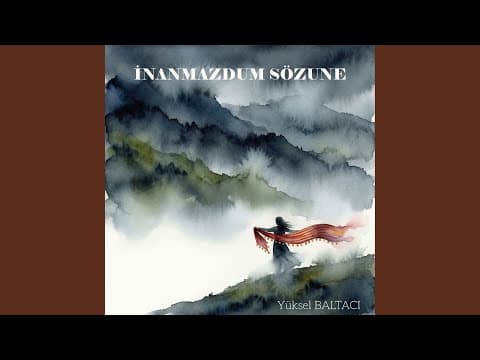
İNANMAZDUM SÖZUNE
"İNANMAZDUM SÖZUNE" is a poignant piece of Black Sea (Karadeniz) music that explores the universal themes of betrayal and the bitterness of hindsight in love. Overall Theme The song is a soulful lament about the pain of misplaced trust and the regret that follows a deceptive relationship. It focuses on the narrator's realization that the person they loved never intended to keep their promises, leading to a deep sense of disillusionment. Key Lyrics Analysis * "İnanmazdum sözüne" (I wouldn't have believed your word): This central refrain highlights the theme of regret. The narrator looks back at the relationship and realizes they were blinded by affection, ignoring the red flags that seem obvious now. * "Aldattın beni gülüm" (You deceived me, my rose/dear): The use of the word "gülüm" (my rose) juxtaposed with "deceived" creates a sharp contrast between the tenderness the narrator once felt and the harsh reality of the betrayal. * "Böyle mi sevecektin?" (Is this how you were going to love?): This rhetorical question expresses the narrator's shock at the lover's behavior. It challenges the false definition of "love" presented by the other person. * "Yalan oldi sevdamuz" (Our love became a lie): This signifies the total collapse of the narrator’s world. It isn't just that the person was bad; it's that the entire shared history has been retroactively tainted by dishonesty. Emotional Tone The song carries a heavy melancholic and resentful tone. While there is deep sadness, there is also a sense of weary anger. The musical arrangement—typically featuring the haunting sounds of the *kemençe* or slow keyboard melodies—amplifies the feeling of a "wounded heart" characteristic of Turkish *damar* (emotional/vein-piercing) music. Cultural Context The song is written and performed in the Black Sea (Karadeniz) dialect. You can hear this in the pronunciation (e.g., using "-dum" instead of the standard Turkish "-dim"). In Black Sea culture, music is a primary outlet for expressing the hardships of life and love. The lyrics often use nature metaphors or direct, blunt language to express raw emotion, reflecting the rugged and honest nature of the region's people. Artist Context Yüksel Baltacı is a respected figure in modern Black Sea folk music. He is known for his versatility, moving between high-energy *Horon* tracks (fast dance music) and slow, emotional ballads like "İNANMAZDUM SÖZUNE." This song is a staple in his repertoire, showcasing his ability to connect with listeners through "sevdalık" (the specific pain of being in love), which is a core pillar of his artistic identity.

きゅうくらりん / いよわ feat.可不(Kyu-kurarin / Iyowa feat.Kafu)
"Kyu-kurarin" (きゅうくらりん) is one of the most iconic songs by the Vocaloid producer Iyowa, featuring the CeVIO AI Kafu. Since its release in 2021, it has become a viral sensation known for its stark contrast between a "cute" aesthetic and disturbing themes. ### 1. Overall Theme The song depicts the internal collapse of a young girl who is struggling with severe depression, dissociation, and the pressure to maintain a "normal" social facade. It explores the moment an individual decides to give up on life, framing the act of "ending it all" as a tragic escape from the overwhelming weight of existing. ### 2. Key Lyrics Analysis * "Chuburarin" (宙ぶらりん - Dangling/Suspended) The title "Kyu-kurarin" is a play on the word *chuburarin*, which means to be in mid-air or hanging. While the song sounds bouncy, this is a grim double entendre referring to both her indecisive mental state and the physical act of hanging. * "I’m empty, a hollow shell... I’m not here anymore." The lyrics frequently touch on depersonalization. The protagonist feels that her "true self" has vanished, leaving only a puppet that smiles and talks to please others. * "Oops, I’ve decided! It’s a farewell." (あ、決めた!お別れです) The climax of the song occurs when the protagonist finally makes the decision to end her life. The casual, upbeat delivery of this line highlights her "manic" state and the terrifying relief she feels in finally choosing a way out. * "I’ll become happy, won’t I?" (幸せになっちゃうね) The song ends on this hauntingly ironic note. She equates her disappearance with the achievement of "happiness," suggesting that for her, peace can only exist in non-existence. ### 3. Emotional Tone The song is defined by cognitive dissonance. * Musicality: It features a bright, "kawaii" pop melody with jazz-inflected piano and a fast tempo. * Atmosphere: Underneath the cheerfulness, there are dissonant chords, glitchy sound effects, and frantic arrangements that create a sense of claustrophobia and panic. It captures the "manic-depressive" cycle where one tries to stay upbeat until they suddenly snap. ### 4. Cultural Context * Doki Doki Literature Club (DDLC): Many fans have noted strong visual and thematic parallels between the character in the music video (Kurari) and Sayori from the game *DDLC*. Both use a "clumsy, cheerful girl" persona to hide suicidal ideation. * Yami-Kawaii (Sick-Cute): The song fits into the Japanese "dark-cute" subculture, where mental health struggles are expressed through a sugary, pink, and stylized lens to highlight the gap between appearance and reality. ### 5. Artist Context "Kyu-kurarin" served as the breakthrough hit for Iyowa, cementing his reputation as a master of "unsettling pop." Iyowa is known for his unique art style (he animates his own videos) and his ability to use the CeVIO AI Kafu’s breathy, fragile voice to convey deep human vulnerability. This song is considered the gold standard for his style: complex, jarring, yet incredibly catchy and emotionally resonant.

Breitner - Baby Bell (Visualizer Edit)
"Baby Bell" by Breitner is a high-energy party track released under Summerfield Records, a label famous for dominating the German "Ballermann" (Mallorca party) scene. The song blends traditional party Schlager lyrics with modern Slap House and EDM production. ### 1. Overall Theme The song is a humorous and metaphorical party anthem that personifies the popular red-waxed cheese snack, Babybel. It uses the snack as a playful nickname for a woman or a love interest, turning a mundane household grocery item into a symbol of desire and dancefloor energy. ### 2. Key Lyrics Analysis * "Baby Bell, Baby Bell, du bist mein Modell": This is the core hook. It uses a simple, catchy rhyme to elevate a snack to the status of a "model," highlighting the song's absurd and lighthearted nature. * "In deiner roten Hülle" (In your red shell): This is a direct reference to the iconic red wax packaging of the cheese. In the context of the song, it doubles as a description of a woman wearing red or simply maintaining the metaphor of the "cheesy" attraction. * "Wir tanzen durch die Nacht": Typical of the genre, these lyrics emphasize the communal experience of partying and staying awake until dawn, using the "Baby Bell" character as the focal point of the celebration. ### 3. Emotional Tone The tone is euphoric, silly, and high-octane. It is designed specifically for festivals, drinking halls, and clubs. There is no underlying seriousness; the goal is to induce a "good mood" (Stimmung) through repetitive beats and easy-to-shout lyrics that a crowd can memorize instantly. ### 4. Cultural Context * Ballermann/Mallorca Culture: The song belongs to a specific German subculture where "Sauf-Schlager" (drinking songs) are king. These songs often take random everyday objects or food items and turn them into cult icons. * Slap House Influence: Unlike older party hits, the "Visualizer Edit" features heavy, "slapping" basslines. This reflects a trend in the German music industry where traditional folk-party music is being remixed with modern EDM to appeal to a younger, Gen-Z audience on platforms like TikTok and Instagram. ### 5. Artist Context Breitner is an artist within the Summerfield Records stable, the powerhouse label run by Matthias Distel (Ikke Hüftgold). Summerfield is known for producing "Gold-certified" party hits that prioritize viral catchiness over lyrical depth. "Baby Bell" fits perfectly into Breitner's discography as a high-production-value "joke song" that solidifies his position as a mainstay in the modern German party scene.

ロクデナシ「スピカ」/ Rokudenashi - Spica【Official Music Video】
"Spica" is a high-energy yet melancholic track by the musical project Rokudenashi, featuring the vocals of Ninzin and produced by the legendary Vocaloid creator NayutalieN. Here is an analysis of the song: 1. Overall Theme The song explores the theme of unrequited love and the painful distance between two people, using the metaphor of stars and cosmic gravity. It depicts a narrator who feels like a "good-for-nothing" (the literal meaning of *Rokudenashi*) watching someone they admire from afar, comparing that person to the bright, unreachable star, Spica. 2. Key Lyrics Analysis * "The gravity named 'you' won't let me go" (君という名の引力が僕を離さない): This line uses NayutalieN’s signature sci-fi imagery to describe obsession. Even though the person is far away, their influence over the narrator's heart is as inescapable as the gravitational pull of a planet. * "Spica" (The Title): Spica is the brightest star in the constellation Virgo. In the lyrics, it represents a beacon of hope and beauty that is "first-magnitude" (the brightest), emphasizing how the narrator feels inferior and dim in comparison. * "Beyond the light years, I’m still shouting your name": This highlights the sense of isolation. No matter how much the narrator expresses their feelings, the physical and emotional "light years" between them mean their voice may never truly reach the other person. 3. Emotional Tone The song carries a bittersweet and frantic tone. While the tempo is fast and the melody sounds upbeat (characteristic of NayutalieN’s "alien-pop" style), the lyrics are deeply sentimental and filled with yearning. It captures the "sparkly" feeling of a crush alongside the crushing loneliness of knowing that love is one-sided. 4. Cultural Context In Japanese pop culture, stars are frequently used to symbolize distance and the "Tanabata" concept of two people separated by the galaxy. By choosing Spica, a star often associated with the transition from spring to summer, the song evokes a sense of fleeting youth and the "blue" (seishun) melancholy common in modern J-Pop and "Internet Music" circles. 5. Artist Context Rokudenashi is a project centered on the vocalist Ninzin, who collaborates with different famous Vocaloid producers for each track. "Spica" is a significant entry in their discography because it showcases a collaboration with NayutalieN, whose hyper-energetic, cosmic production style perfectly complements Ninzin’s clear, emotive voice. This track helped solidify Rokudenashi’s identity as a project that transforms "weak" or "negative" feelings into powerful, relatable anthems for the digital generation.

MONTAGEM DIREÇÃO (Mega Slowed)
"MONTAGEM DIREÇÃO (Mega Slowed)" by DJ FKU is a prominent example of the Brazilian Phonk (or "Funk Phonk") subgenre. It blends the aggressive, heavy bass of Brazilian Funk (specifically *Mandelão*) with the dark, atmospheric aesthetics of Phonk. Here is an analysis of the track: 1. Overall Theme The song centers on themes of authority, street dominance, and high-speed automotive culture. The minimalist lyrics revolve around "being in the driver's seat," both literally (driving powerful vehicles) and metaphorically (controlling one’s life or the social environment). 2. Key Lyrics Analysis As is typical for "Montagem" (Assembly) tracks, the lyrics are repetitive and used more as rhythmic instruments than complex storytelling. * "Nois tá no toque / Nois tá na direção": This translates to "We are at the touch / We are in the direction (control)." In Brazilian street slang, "no toque" refers to the person driving a motorcycle or car. It signifies being the one in charge of the situation. * "Só foguete": Literally translates to "Only rockets." In the context of Brazilian urban culture, "foguete" (rocket) is slang for high-performance motorcycles or fast cars. It implies speed, power, and wealth. * The Repetition: The constant looping of these phrases creates a "hypnotic" effect, intended to put the listener in a trance-like state of focus, often associated with driving or intense physical activity. 3. Emotional Tone The "Mega Slowed" version shifts the energy of the original track from high-octane aggression to a dark, menacing, and cinematic intensity. * Intimidating: The distorted bass and slowed-down vocals sound deep and "monstrous." * Stoic/Alpha: It conveys a sense of calm confidence—the feeling of moving through a dangerous or high-stakes environment without fear. * Gritty: It captures the raw, industrial atmosphere of the São Paulo street party (*Baile Funk*) scene. 4. Cultural Context * The "Phonk" Global Trend: This song is part of a massive movement where Brazilian producers adopted the "Phonk" aesthetic (dark, cowbell-heavy beats) and merged it with *Funk Mandelão*. This style became a global phenomenon via TikTok and YouTube "drift" videos. * Automotive Subculture: The track is heavily associated with the "Grau" (motorcycle wheelie) culture and illegal street racing in Brazil. The lyrics and heavy beat are designed to be played in cars with massive sound systems (*Paredões*). 5. Artist Context DJ FKU is a key producer in the Brazilian Phonk scene, specializing in tracks that bridge the gap between local Brazilian sounds and international electronic trends. "MONTAGEM DIREÇÃO" is one of his most successful exports. The popularity of the "Mega Slowed" version highlights how his music is often consumed as "aesthetic" background music for gym edits, automotive content, and gaming videos, rather than just as a dance track.
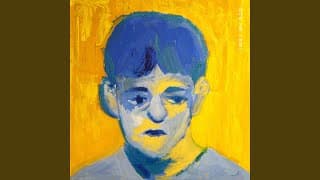
for lovers who hesitate (주저하는 연인들을 위해)
"For Lovers Who Hesitate" (주저하는 연인들을 위해) by JANNABI is a poetic exploration of the cycle of love—from the fluttering excitement of a beginning to the inevitable sorrow of an ending. It serves as a comforting anthem for those who are afraid to start a relationship because they fear the pain of heartbreak. ### 1. Overall Theme The song captures the bittersweet reality that all love eventually faces a conclusion, yet it encourages the listener to embrace that vulnerability anyway. It suggests that the beauty of a relationship lies in the shared moments and "secrets" created, even if they eventually become distant memories. ### 2. Key Lyrics Analysis * "나는 읽기 쉬운 마음이야 / 당신도 쓱 훑고 가셔요" (I have a heart that is easy to read / So you can just glance through it and go): This line expresses a raw, defenseless vulnerability. The narrator is willing to be an open book, even if the other person is only passing through, highlighting a selfless approach to affection. * "그러다 밤이 찾아오면 / 우리 둘만 아는 비밀을 만들자" (When night comes / Let’s make secrets that only the two of us know): This represents the intimate, private world lovers build together. These "secrets" are the foundation of a relationship that makes the connection feel unique and irreplaceable. * "언젠가 다시 만날 날엔 / 그때는 곁에 없을 테니" (On the day we meet again / I won't be by your side then): This paradoxical line acknowledges the inevitability of parting. By accepting that they won't be together forever, the song ironically emphasizes the importance of loving deeply in the present moment. ### 3. Emotional Tone The tone is nostalgic, melancholic, and deeply comforting. The melody utilizes vintage "Group Sound" arrangements (70s-80s style) which evoke a sense of longing for the past. Choi Jung-hoon’s vocals are airy and emotive, making the listener feel like they are hearing a late-night confession or a letter from an old friend. ### 4. Cultural Context JANNABI led the "Newtro" (New + Retro) trend in South Korea. During a time when high-energy K-pop dominated the charts, this song resonated with the public's desire for "analog" emotions. It tapped into the concept of *Cheong-chun* (Youth)—the idea that being young is defined by being beautifully messy, sentimental, and unafraid of emotional intensity. ### 5. Artist Context This song was JANNABI’s massive breakout hit, catapulting them from an indie band to national stars. It topped the Melon charts for weeks in 2019, proving that band music and poetic, old-fashioned lyrics could still compete with idol pop. It solidified JANNABI's identity as the modern successors of the 1970s/80s Korean folk-rock era, known as "Group Sound."

LACAZETTE x GWENDO - LOV
"LOV" is a collaboration between the French artist LACAZETTE and Gwendo. It is a melodic urban track that blends elements of Afro-pop and Zouk-inflected RnB. Here is an analysis of the song: 1. Overall Theme The song explores the complexities of a modern, "toxic" romantic relationship characterized by deep passion but a lack of trust. It centers on the dialogue between two lovers who struggle to reconcile their feelings for each other with the pride and lifestyle choices that keep them apart. 2. Key Lyrics Analysis * "J’voulais pas te faire de mal, mais j'suis dans le mal": This line reflects the internal conflict of the protagonist. He acknowledges the pain he causes his partner but justifies it through his own personal suffering and "street" mentality, suggesting that his environment makes it hard to be a "good" partner. * The interplay between Lacazette and Gwendo: The song is structured as a conversation. While Lacazette focuses on his struggles and his need for loyalty, Gwendo’s verses often represent the woman’s perspective—demanding more than just words and highlighting the emotional exhaustion of waiting for him to change. * "LOV": The title itself is a play on "Love." In French urban slang, "LOV" can sometimes refer to money (from "Lové"), creating a double entendre where the artists weigh the importance of emotional love versus material success and the grind of daily life. 3. Emotional Tone The tone is bittersweet and melancholic. While the rhythm is danceable (typical of the Afro-Zouk style), the vocal delivery is heavy with longing and regret. There is a sense of "fatalism"—a feeling that even though they love each other, the relationship is destined to be difficult. 4. Cultural Context The song fits into the "Afro-Urban" or "Urban Zouk" genre, which is immensely popular in France and the French West Indies. This genre often uses upbeat, rhythmic production to tell stories of heartbreak and street life. It reflects the "banlieue" (suburban) culture in France, where traditional romanticism is often filtered through a lens of toughness and financial survival. 5. Artist Context LACAZETTE is part of a wave of French artists who transition between hard-hitting rap/drill and more melodic, "mainstream" club hits. "LOV" represents his versatility, showing he can move away from aggressive lyricism to a softer, more emotional sound. By featuring Gwendo, a female vocalist, he broadens the song's appeal to a wider audience, positioning the track as a "summer hit" style record rather than a niche rap song.