
Latest Articles

Ngga Dulu
"Ngga Dulu" is a popular contemporary Javanese-Indonesian song performed by Ajeng Febria and Adinda Rahma. It has gained significant traction within the *Dangdut Koplo* and *Ambyar* music scenes. Here is an analysis and explanation of the song: 1. Overall Theme The song is a "self-preservation anthem" about a person who is tired of being hurt, ghosted, or used as a rebound in romantic relationships. It focuses on the decision to stay single and prioritize one's own peace of mind over entering a new relationship that lacks sincerity. 2. Key Lyrics Analysis * "Ngga dulu" (No for now / I’ll pass): This titular phrase serves as a firm boundary. It signifies that the narrator is aware of the suitor's intentions and chooses to reject them to avoid further heartbreak. * "Atiku dudu terminal" (My heart is not a bus terminal): A common metaphor in Javanese pop music. It means the narrator’s heart is not a place where people can just come and go as they please or stay temporarily before moving on to someone else. * "Aku wis tau ngerasakke jerune loro ati" (I have felt the depth of a broken heart): This line establishes the "why" behind the song. The narrator isn't being cold for no reason; they are acting out of trauma from past experiences where they were deeply hurt. * "Mending dewe" (Better to be alone): This emphasizes the theme of independence. It suggests that solitude is far more rewarding than being in a toxic or half-hearted relationship. 3. Emotional Tone The song carries a mix of resilience and cynicism. While the lyrics are somewhat sad and weary regarding love, the musical arrangement—typically upbeat *Dangdut Koplo* or *Campursari*—gives it a vibe of empowerment. It feels like a "victory song" for someone who has finally found the strength to say "no" to bad partners. 4. Cultural Context * The "Ambyar" Phenomenon: The song fits into the "Ambyar" (heartbroken) subculture popularized by the late Didi Kempot. In this culture, heartbreak is celebrated through music and dance, allowing people to process their sadness in a communal, rhythmic way. * Bilingualism: Like many modern songs from East and Central Java, "Ngga Dulu" mixes Indonesian (the national language) with Javanese (the regional language). This makes the song relatable to a broad audience while maintaining a grounded, local identity. 5. Artist Context Ajeng Febria and Adinda Rahma are prominent figures in the modern Javanese music scene, often associated with the "New Monata" or similar *Dangdut* collectives. * Ajeng Febria is known for her soulful voice and her ability to deliver "galau" (upset/sad) songs with great emotional weight. * Adinda Rahma complements this with a more playful but firm delivery. This collaboration reinforces their status as voices for the younger generation of *Dangdut* listeners who prefer themes of self-worth and modern dating struggles over traditional romantic tropes.

EL CLúB
"EL CLúB" is a standout track from Bad Bunny’s 2023 album, *nadie sabe lo que va a pasar mañana*. Here is an analysis of the song: Overall Theme The song explores themes of exclusivity, hierarchy, and the isolation of fame. It uses the metaphor of an elite "club" to distinguish Bad Bunny’s status as a global icon from those who are merely trying to imitate his success or gain entry into his world. Key Lyrics Analysis * *"Ustedes están en la fila, yo soy el dueño del club"* (You all are in line, I am the owner of the club): This is a classic power dynamic metaphor. While other artists or critics are struggling to gain relevance (standing in line), Bad Bunny asserts that he controls the entire "establishment" of the music industry. * *"Tengo a to' el mundo hablando, pero nadie sabe"* (I have everyone talking, but nobody knows): This line reinforces the overarching theme of the album. It addresses the constant gossip and public scrutiny surrounding his life, pointing out the gap between what the public perceives and his actual reality. * *"El dinero no me cambió, me cambió la gente"* (Money didn't change me, people changed): A common trope in hip-hop, but particularly poignant for Bad Bunny here. He suggests that his wealth isn't the issue; rather, the way people treat him or expect things from him has forced him to become more guarded. Emotional Tone The tone is defiant and cold. Unlike his previous upbeat, tropical hits, this track features a dark, minimalist trap beat. There is a sense of cynicism toward the industry and a "lone wolf" mentality, conveying that being at the top of the "club" is both a position of power and a source of profound detachment from society. Cultural Context The song leans heavily into the Latin Trap aesthetic that Bad Bunny helped pioneer in 2016. Culturally, it reflects the "Old Money" and "Secret Society" imagery that became a trend in 2023. By referencing an exclusive club, he taps into the fascination with elite circles (like the Illuminati tropes often found in rap) to symbolize his untouchable status in pop culture. Artist Context "EL CLúB" serves as a rejection of the "Pop Star" persona Bad Bunny cultivated with the record-breaking *Un Verano Sin Ti*. After becoming the most-streamed artist in the world, this song is his way of returning to his roots. It is a gift to his "OG" fans who preferred his gritty, trap-heavy beginnings over his more commercial reggaeton hits, signaling that he no longer feels the need to please the general masses.
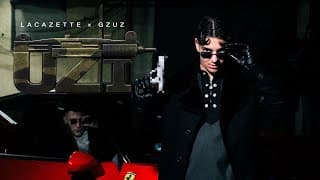
LACAZETTE x GZUZ - UZI
"UZI" by LACAZETTE featuring GZUZ is a high-octane German street rap track that leans heavily into "Straßenrap" (street rap) tropes. It serves as a gritty anthem for the criminal underworld, focusing on themes of violence, loyalty, and the drug trade. ### 1. Overall Theme The song is a raw depiction of street life, centered around the power and intimidation symbolized by the "Uzi" submachine gun. It portrays a lifestyle defined by illegal dealings, a disdain for the police, and the constant threat of violence used to protect one’s territory and reputation. ### 2. Key Lyrics Analysis * "Uzi, Uzi, Uzi, Uzi" (The Hook): The repetitive use of the weapon’s name serves as a rhythmic mantra. It represents both a literal tool of the trade and a metaphor for the fast-paced, "automatic" nature of their lifestyle and their rapid-fire delivery. * "Kiloweise Packets, wir sind international" (Kilos of packages, we are international): This line highlights the scale of the drug trade being referenced. It’s not just small-time street dealing; it suggests a sophisticated, cross-border operation. * "Keine Zeugen, wenn die Kugel fliegt" (No witnesses when the bullet flies): This reinforces the "Omertà" (code of silence) and the ruthless nature of the environment they describe—problems are solved permanently, and no one talks to the authorities. * "Bullen am Block, doch wir bleiben entspannt" (Police on the block, but we stay relaxed): A classic trope of defiance against law enforcement, signaling that the artists are seasoned in their lifestyle and cannot be easily intimidated by the state. ### 3. Emotional Tone The tone is aggressive, menacing, and unapologetic. There is a sense of cold indifference to social norms or legal consequences. The high-energy production combined with GZUZ’s characteristically gravelly, shouting delivery creates a feeling of tension and raw power. ### 4. Cultural Context * 187 Strassenbande Influence: GZUZ is a leading member of the 187 Strassenbande, a Hamburg-based collective that revolutionized German rap by bringing a hyper-authentic, documentary-style focus to gang life and drug dealing. * French Connection: The artist name "LACAZETTE" is a reference to the French footballer Alexandre Lacazette. In the German rap scene, there is a deep-rooted admiration for French "Banlieue" rap, and using such a name often signals a connection to that aesthetic of gritty, immigrant-heavy urban suburbs. * Weaponry as Status: In this subgenre of rap, mentioning specific firearms like the Uzi acts as a "street credential," signaling that the artist is "bout that life." ### 5. Artist Context For LACAZETTE, collaborating with GZUZ is a major milestone. In the German rap hierarchy, a feature from a 187 Strassenbande member is a massive "co-sign" (endorsement) that grants immediate street credibility and exposes the artist to a much wider audience. For GZUZ, the track is a continuation of his established persona—the "bad boy" of German rap who remains consistent in his sound and message regardless of his mainstream success.
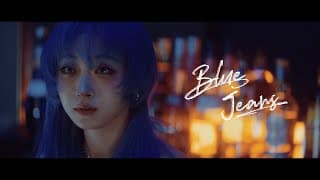
HANA / Blue Jeans -Music Video-
"HANA / Blue Jeans" is a standout track by the rising Japanese artist HANA, known for her distinctive voice and modern, genre-blending sound. Below is an analysis of the song. 1. Overall Theme The song is a coming-of-age anthem that explores the concepts of identity, comfort, and the passage of time. Using "blue jeans" as a central metaphor, the song reflects on the feeling of staying true to oneself while navigating the uncertainties and changes of young adulthood. 2. Key Lyrics Analysis * The Metaphor of "Blue Jeans": In the lyrics, the jeans represent a "second skin"—something that is worn, slightly faded, and imperfect, yet fits the narrator perfectly. It suggests that our experiences and "wear and tear" are what make us unique and comfortable in our own lives. * "Walking through the city lights": This recurring imagery portrays a sense of independence. The narrator isn't looking for someone else to complete them; they are finding their rhythm alone in the urban landscape. * The passage of time: Lines often touch upon the contrast between the "newness" of the world and the "worn-in" feeling of the narrator's perspective, emphasizing that personal history (like the fading of denim) has value. 3. Emotional Tone The song carries a nostalgic yet confident tone. It feels "breezy" and "chill," characteristic of the Neo-City Pop and R&B influences in modern J-Pop. While there is a slight underlying melancholy regarding the fleeting nature of youth, the dominant emotion is one of self-assurance and relaxation. 4. Cultural Context * Denim Culture: Japan has a deep-rooted obsession with high-quality, vintage denim. In this song, the cultural appreciation for "aging" and "patina" in clothing is mapped onto the human experience—the idea that something becomes more beautiful the more it is used and lived in. * Neo-City Pop: The song fits into the modern "City Pop" revival, which romanticizes urban nightlife and provides a soundtrack for the "aesthetic" lifestyle popular among Gen Z in Japan and globally. 5. Artist Context HANA is part of a new generation of Japanese singer-songwriters who prioritize a global, genre-less sound (incorporating indie-pop, soul, and electronic elements). "Blue Jeans" serves as a definitive track in her discography, establishing her brand as an artist who can deliver sophisticated, "cool" music that remains emotionally accessible. It showcases her ability to turn mundane objects into poetic reflections on life.

SPIDER
"SPIDER" by Gims and DYSTINCT is a high-energy collaboration that dominated the European and North African charts in the summer of 2024. It blends French urban pop with North African melodic influences. Here is an analysis of the song: 1. Overall Theme The song is a celebration of success, speed, and the "fast life," centered around the metaphor of a McLaren Spider (a luxury convertible). While it functions as a lifestyle anthem about wealth and status, it also touches on the complications of fame, including the "web" of fake friends and the need to stay ahead of one's enemies. 2. Key Lyrics Analysis * "J'suis dans la Spider, j'fais pas de marche arrière" (*I’m in the Spider, I don’t go in reverse*): This line serves a dual purpose. Literally, it refers to driving a high-end sports car. Metaphorically, it signifies that the artists are only moving forward in their careers and lives, refusing to look back at past struggles or failures. * "On a tissé la toile" (*We wove the web*): This plays on the "Spider" title. It suggests that they have built a massive network and a "trap" for success. It implies that their influence is everywhere, and they are the ones in control of the game. * "C’est pas la même ambiance" (*It’s not the same vibe/atmosphere*): Used frequently to highlight the gap between their current lifestyle and their humble beginnings, or between them and their "haters." 3. Emotional Tone The song carries a triumphant and confident tone. The production is upbeat and danceable (Afro-pop/Urban), evoking a summer-ready, club-friendly vibe. However, there is a secondary layer of defiance. The lyrics often address "enemies" and "betrayals," suggesting that their success was earned through struggle and that they remain guarded despite their wealth. 4. Cultural Context "SPIDER" is a perfect example of the "Maghreb-Afro" fusion currently dominating the French-speaking music world. By pairing Gims (of Congolese heritage) with DYSTINCT (a Belgian-Moroccan artist), the song bridges the gap between Sub-Saharan African rhythms and North African (Maghreb) melodic structures. It also taps into the global "luxury rap" culture, where specific high-end car models (like the McLaren Spider) serve as universal symbols of reaching the top of the social ladder. 5. Artist Context * Gims: For Gims, "SPIDER" reinforces his status as the "King" of French urban pop. After a career spanning over two decades (from Sexion d'Assaut to solo stardom), this track proves his ability to stay relevant by collaborating with the new generation's rising stars. * DYSTINCT: This collaboration is a major milestone for DYSTINCT. Known for his hits like "Ghazali," working with a titan like Gims helped solidify his position as a mainstream powerhouse, transitioning from a "niche" artist to a global French-language star.
VeLDÁ
"VeLDÁ" is a high-energy trap collaboration from Bad Bunny’s 2023 album *nadie sabe lo que va a pasar mañana*. It features two of Puerto Rico’s rising stars, Omar Courtz and Dei V. Overall Theme The song is a celebration of authenticity, street credibility, and newfound wealth. It serves as a "victory lap" where the artists affirm their dominance in the music industry while staying true to their Puerto Rican roots and the "underground" trap sound. Key Lyrics Analysis * "¿Veldá?": The title and recurring hook are a phonetic spelling of the Spanish word *verdad* (truth/right?). In Puerto Rican Spanish, it is common to swap the "r" for an "l." By using this as the central motif, the artists are constantly asking, "Isn't it true?" or "Right?", challenging anyone to deny their success. * "Tú sabe' que ando con lo' verdadero', la' babie' y el dinero": This line emphasizes the three pillars of their current lives: loyalty to their original crew (the "true ones"), the attention of women, and financial power. * "De los tiempo' de 'Diles'": Bad Bunny makes a reference to his 2016 breakout hit "Diles." This reminds the audience that although he is a global superstar now, his foundation is strictly Latin Trap. * Dei V & Omar Courtz’s verses: Their lyrics focus heavily on the transition from the "calle" (street) to the luxury of the "mall" and the stage, reinforcing the idea that they are "La Nueva" (the new wave) of the genre. Emotional Tone The tone is boastful, aggressive, and triumphant. There is a dark, heavy atmosphere created by the trap production, which conveys a sense of "don't mess with us." However, there is also an underlying sense of brotherhood and pride in their shared cultural identity. Cultural Context The song is deeply rooted in Puerto Rican street culture. The use of specific slang and the deliberate "l" pronunciation in the title is a nod to the island's dialect. Furthermore, the collaboration represents the "passing of the torch" or "sealing of approval" within the genre; by featuring Omar Courtz and Dei V, Bad Bunny is validating them as the next major voices in Puerto Rican urban music. Artist Context For Bad Bunny, "VeLDÁ" is a return to his Trap Latino roots. After the global pop and reggaeton success of *Un Verano Sin Ti*, he used this album to reclaim his title as the king of trap. For Omar Courtz and Dei V, this song was a massive career milestone, as appearing on a Bad Bunny project provides a level of exposure that cements their status as A-list artists in the Latin urban scene.

HEAVENLY JUMPSTYLE (Slowed)
"HEAVENLY JUMPSTYLE (Slowed)" by SUKA. is a prominent example of the modern internet-born "Phonk" and "Atmospheric" music scenes. The slowed-and-reverb treatment transforms a high-energy dance track into something much more introspective. Here is an analysis of the track: 1. Overall Theme The song centers on the theme of escapism and transcendence. While the original version is a high-octane dance track, the slowed version emphasizes a longing to leave reality behind and reach a "heavenly" or dreamlike state of mind, stripping away the aggression of the rhythm to reveal a core of bittersweet nostalgia. 2. Key Lyrics Analysis The lyrics in this track are repetitive and serves more as an atmospheric texture than a traditional narrative. * "Heavenly... Jumpstyle...": These words serve as a stylistic bridge. "Jumpstyle" refers to a high-energy European dance subculture, but pairing it with "Heavenly" suggests a spiritual or euphoric experience found through movement and sound. * "I just want to fly... away from here": This is the emotional anchor of the song. In the slowed version, these words sound heavy and weary, suggesting a desire to escape from life’s pressures, "misery," or the mundane nature of the physical world. * Vocal Pitching: Because the vocals are high-pitched but then slowed down, they create a "ghostly" effect, symbolizing a voice trapped between two worlds—the energetic rave and a lonely, quiet room. 3. Emotional Tone The tone is melancholic yet ethereal. It carries a sense of "longing"—specifically for a time or place that might not actually exist. Listeners often describe the feeling as "sonder" (the realization that everyone has a complex life) or "liminality," feeling like you are in a waiting room between different phases of life. It is simultaneously relaxing and deeply sad. 4. Cultural Context * The "Slowed + Reverb" Movement: This version belongs to a massive internet subculture (often associated with "Doomer" or "Aesthetic" culture) where songs are slowed down to highlight hidden emotions. * Jumpstyle Revival: The song references "Jumpstyle," a genre of electronic dance music popular in the Netherlands and Belgium in the late 2000s. SUKA. repurposes this old-school rave energy for a new generation that views that era through a lens of nostalgia. * Visual Pairings: The song is frequently used in social media edits (TikTok/Reels) featuring late-night driving, retro anime, or "liminal space" imagery (empty malls, abandoned playgrounds). 5. Artist Context SUKA. is an artist who specializes in blending hard-hitting electronic genres like Hardstyle and Phonk with melodic, "heavenly" textures. This track represents a peak in their career where they successfully bridged the gap between aggressive dance music and viral "mood" music. It solidified SUKA.’s reputation as a producer who understands the "aesthetic" side of the internet, where the vibe and atmosphere of a track are just as important as the beat itself.
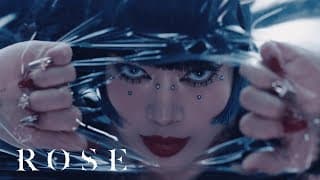
HANA / ROSE -Music Video-
"ROSE" by HANA is a striking debut piece that blends experimental pop with deep metaphorical storytelling. Below is an analysis of the song and its music video. ### 1. Overall Theme The song explores the concept of self-actualization through pain and resilience. It uses the metaphor of a rose—beautiful yet armed with thorns—to represent the necessity of embracing one’s hardships and "sharp edges" in order to truly bloom and find one’s identity in a restrictive world. ### 2. Key Lyrics Analysis * "The thorns that protect me are also what hurt me": This central idea suggests that the defenses we build to survive (our "thorns") often cause internal or social isolation. However, the song argues that these scars are essential to our unique beauty. * "Blooming in the dark": This recurring imagery highlights the artist's struggle to find success and self-expression even when the environment is oppressive or discouraging. It emphasizes that growth doesn't always happen in perfect conditions. * "Red as blood, red as love": By equating the color of the rose to both biological life (blood) and intense emotion (love), the lyrics suggest that living authentically requires a visceral, almost painful level of passion. ### 3. Emotional Tone The emotional landscape of "ROSE" is intense, cathartic, and empowering. It begins with a sense of suppressed tension—mirroring a bud waiting to open—and builds into a chaotic, high-energy climax. There is a palpable sense of defiance, as if the artist is claiming their space regardless of the world’s judgment. ### 4. Cultural Context The song fits into the modern "Dark J-Pop" or "Alt-Pop" movement currently popular in Japan (seen in artists like Ado or Reol). It reflects a cultural shift among Japanese youth who are moving away from traditional "idol" perfection and toward raw, honest expressions of mental struggle and individuality. The use of flower language (*hanakotoba*) is a deep-rooted Japanese tradition; here, the rose represents not just romance, but "inner strength" and "keeping a secret." ### 5. Artist Context As a rising artist, HANA uses "ROSE" to establish her brand as a boundary-pusher. The song serves as a manifesto for her career, signaling that she is not a manufactured pop star but an artist who embraces her "thorns." The production (often featuring heavy electronic and hyper-pop influences) positions her as part of the "next generation" of digital-native musicians who prioritize visual storytelling as much as the music itself.
VENT DU NORD
"VENT DU NORD" (North Wind) is a powerful, cinematic track by GIMS from his 2022 album *Les Dernières Volontés de Mozart* (LDVM). It showcases his ability to blend operatic grandiosity with modern urban sounds. Here is an analysis of the song: Overall Theme The song explores themes of resilience, betrayal, and spiritual survival. GIMS uses the "North Wind" as a metaphor for the harsh, cold realities of life and the "chilling" nature of human envy and backstabbing that come with high-level success. Key Lyrics Analysis * "Le vent du nord a tout emporté" (The north wind took everything away): This suggests a total clearing of the past. The wind represents a force that destroys old bridges and relationships, leaving GIMS to stand alone in a cold, transformed landscape. * "Je marche dans la vallée de l'ombre de la mort" (I walk through the valley of the shadow of death): A direct reference to Psalm 23. It highlights his spiritual resilience and the idea that despite being surrounded by "darkness" or enemies, he remains unafraid. * "Le Diable est dans les détails" (The Devil is in the details): This common idiom is used here to warn against hidden traps and the subtle ways people can be led astray or betrayed by those they trust. * "Les loups ne mangent pas les loups" (Wolves don't eat wolves): This reflects a "law of the jungle" mentality. It suggests that while the world is predatory, there is a certain code of conduct among those at the top—or conversely, that he has become a "wolf" to survive. Emotional Tone The tone is dramatic, cold, and triumphant. The production features heavy orchestral elements and choral arrangements that evoke a sense of "epic" struggle. While the verses feel tense and guarded, the chorus soars with a sense of defiance, as if GIMS is embracing the cold wind rather than hiding from it. Cultural Context The song leans heavily into Gothic and Baroque aesthetics, which was the central theme of the *LDVM* era. The title "North Wind" may also subtly reference the social climate of Europe (the North), often depicted in French rap as a place that is structurally cold or unwelcoming to those from the "South" (immigrant backgrounds), though GIMS applies this more broadly to his personal journey and the "coldness" of the music industry. Artist Context In the trajectory of GIMS’s career, "VENT DU NORD" represents his "Symphonic Pop" phase. After years of dominating the charts with Afro-pop and "chanson française" hits, this song sees him returning to his powerful vocal roots and his love for theatrical, larger-than-life production. It reinforces his image not just as a hitmaker, but as a "maestro" capable of creating high-concept, operatic art.
OHMA TOKITA
"OHMA TOKITA" is a high-energy track by the Congolese-French megastar GIMS, released as part of the 2023 "Symphony" re-release of his album *Les Dernières Volontés de Mozart*. Here is an analysis of the song: 1. Overall Theme The song is a powerful "ego-trip" anthem centered on the themes of dominance, resilience, and combat. GIMS uses the persona of a martial artist to illustrate his untouchable status in the French music industry and his willingness to crush any opposition. 2. Key Lyrics Analysis * "Comme Ohma Tokita, j'vais les fumer" (Like Ohma Tokita, I'm going to smoke them): The central hook references the protagonist of the manga/anime *Kengan Ashura*. By identifying with Ohma, GIMS signals that he views his career as a series of high-stakes fights where only the strongest survives. * "Niko Style, j'suis dans l'Advance" (Niko Style, I'm in the Advance): These are direct references to fighting techniques in the anime. "The Advance" is a state where the character increases his heart rate to gain superhuman speed; GIMS is saying he is operating at a level of intensity his rivals cannot match. * "J'ai fait le tour, j'ai plus rien à prouver" (I've been around, I have nothing left to prove): Despite the aggressive tone, GIMS acknowledges his veteran status. He isn't fighting to become famous; he is fighting to maintain the empire he has already built. 3. Emotional Tone The tone is defiant, aggressive, and adrenaline-fueled. It lacks the melodic "pop" sensibilities of GIMS’s radio hits, opting instead for a dark, cinematic trap energy. It conveys a sense of unstoppable momentum and cold confidence. 4. Cultural Context The song leans heavily into French Rap’s obsession with Manga and Anime. For decades, French rappers have used characters from *Dragon Ball Z* or *Naruto* as metaphors for social struggle and success. By choosing *Kengan Ashura*—a more brutal, underground fighting series—GIMS targets a demographic that appreciates "Seinen" (more mature) anime themes, aligning himself with a darker, more visceral aesthetic. 5. Artist Context In the grand trajectory of GIMS's career, "OHMA TOKITA" represents his return to his "Kicker" (Hardcore Rapper) roots. After years of dominating the charts with singing and pop-opera sounds, he periodically releases tracks like this to remind the audience that he remains one of the most technically skilled rappers in the game. It serves as a bridge between his mainstream persona and his origins in the legendary rap group *Sexion d'Assaut*.
WELTiTA
"WELTiTA" is a collaboration between global superstar Bad Bunny and the Puerto Rican indie/alternative group Chuwi. It stands out as one of the more melodic and atmospheric tracks on the album *nadie sabe lo que va a pasar mañana*. Here is an analysis of the song: 1. Overall Theme The song centers on the themes of escapism, intimacy, and simple romance. It describes the desire to get away from the noise of the world and the pressures of fame by taking a "vueltita" (a little ride) with a loved one, finding a sense of "home" in their presence rather than a physical place. 2. Key Lyrics Analysis * "Vamo' a dar una weltita": The title and hook use "weltita" as a phonetic, playful spelling of *vueltita*. It represents a low-stakes, intimate activity—just driving around with no destination, focusing solely on the company of the other person. * "Tú ere' mi casa, mi puerto seguro" (You are my home, my safe harbor): These lines emphasize that the relationship provides a grounding force for the artists. For Bad Bunny, who often sings about the isolation of fame, this person represents stability. * "Yo no quiero ser tu ex, yo quiero ser tu forever": Bad Bunny expresses a rare moment of vulnerability and long-term commitment. In an album filled with bravado and trap beats, this line stands out for its direct, sentimental honesty. * "Que el mundo se acabe, pero que nos pille bailando": This reflects a "carpe diem" attitude—the idea that even if the world ends, as long as they are together and enjoying the moment, nothing else matters. 3. Emotional Tone The tone is nostalgic, serene, and dreamy. Unlike the aggressive trap songs on the same album, "WELTiTA" feels like a late-night drive along the coast of Puerto Rico. It carries a sense of peace and "mellow" romanticism, bolstered by Chuwi’s indie-pop influence. 4. Cultural Context * The "Vueltita" Culture: In Puerto Rico, "dar una vuelta" is a common social pastime involving driving through the mountains or along the beach, often stopping for food or drinks. It is a symbol of local leisure and connection. * Puerto Rican Indie Scene: Bad Bunny has a history of using his massive platform to spotlight independent Puerto Rican talent (previously collaborating with artists like Buscabulla and The Marías). By featuring Chuwi, he introduces their "tropical-indie" sound to a global audience, bridging the gap between mainstream reggaeton/trap and the underground alternative scene. 5. Artist Context For Bad Bunny, this song fits into his "alternative" persona, similar to his work on *El Último Tour del Mundo*. It serves as a necessary emotional "breather" on a heavy trap album, proving his versatility. For Chuwi, the song is a career-defining moment, allowing them to showcase their signature dream-pop aesthetic to millions of listeners who might not otherwise encounter the Puerto Rican indie circuit.
![Xhensila x MC Kresha – Emrin Tim [Official Video]](/_next/image?url=https%3A%2F%2Fimg.youtube.com%2Fvi%2FaH4PsFPhCvM%2Fmqdefault.jpg&w=3840&q=75)
Xhensila x MC Kresha – Emrin Tim [Official Video]
"Emrin Tim" (My Name) is a powerful collaboration between Albanian pop star Xhensila Myrtezaj and renowned rapper MC Kresha. Released in early 2024, the song quickly became a hit due to its raw emotional depth and its timing relative to the artists' personal lives. Here is an analysis of the song: 1. Overall Theme The song explores the painful aftermath of a broken relationship and the struggle to reclaim one's identity after a deep betrayal or separation. It focuses on the "weight" of a name—how a person’s identity becomes intertwined with their partner, and the void that is left when that connection is severed. 2. Key Lyrics Analysis * "Ma theve zemrën, ma more emrin" (You broke my heart, you took my name): This central line suggests that the heartbreak wasn't just emotional, but existential. In many cultures, "taking a name" implies marriage or a shared life; here, Xhensila expresses that the loss of the relationship felt like losing her very self. * "Ti po don me m'pa n'tokë, unë po du me t'pa n'qiell" (You want to see me on the ground, I want to see you in the sky): This line highlights the contrast in their post-breakup intentions. While one party seeks bitterness and the other’s downfall, the speaker claims a moral high ground, wishing for the other’s peace despite the pain. * MC Kresha’s Verse: Kresha provides a more cynical, street-smart perspective. He speaks about the "silence" that follows the noise of a relationship and the realization that some wounds don't heal with time, but simply become part of who you are. 3. Emotional Tone The song is heavy with melancholy, bitterness, and resignation. Xhensila’s vocals are soulful and desperate, conveying the "agony" of a love that has turned cold. In contrast, MC Kresha’s delivery is gritty and reflective, adding a layer of "cold reality" to the emotional outpouring. The production utilizes a dramatic, slow-tempo beat that emphasizes the feeling of longing and loss. 4. Cultural Context In the Albanian music scene, collaborations between "Pop Divas" and "Lyrical Rappers" are common, but "Emrin Tim" stands out for its maturity. The concept of "Besa" (honor/word) and the sanctity of one’s name and reputation are significant cultural pillars in the Balkans. To "take someone's name" or "tarnish a name" carries a heavy social and personal weight that resonates deeply with the Albanian-speaking audience. 5. Artist Context * Xhensila Myrtezaj: This song was released amidst heavy public speculation regarding her real-life divorce from actor Bes Kallaku. Fans and media interpreted the lyrics as a direct reflection of her personal pain, marking a transition in her career from "sweetheart" pop tracks to more mature, vulnerable, and "confessional" music. * MC Kresha: Known as one of the most respected lyricists in Albanian hip-hop, Kresha’s involvement gives the song "street-cred" and poetic depth. It follows his pattern of collaborating on high-level ballads that bridge the gap between underground rap and mainstream pop.