
Latest Articles

CIEL
"CIEL" is a deeply personal and introspective track by the French-Congolese megastar GIMS. Released as part of his album *Le Fléau* (2020), it showcases a more vulnerable side of an artist usually known for chart-topping club hits and high-energy rap. Here is an analysis of the song: 1. Overall Theme The song explores the themes of existential loneliness, spiritual longing, and the weight of success. GIMS reflects on the emptiness that persists despite his fame, ultimately looking toward "the sky" (*le ciel*) as a source of divine guidance, destiny, and an escape from the betrayals of the world. 2. Key Lyrics Analysis * "J'ai levé les yeux vers le ciel, j'ai vu que tout était écrit" (*I raised my eyes to the sky, I saw that everything was written*): This line references the concept of *Maktub* (destiny/fate). It suggests a sense of surrender to a higher power and the belief that his struggles and successes are part of a predetermined plan. * "Le vide est immense, j'ai plus de repères" (*The void is immense, I no longer have landmarks*): Despite his massive wealth and status, GIMS admits to feeling lost. It highlights the "gilded cage" of celebrity where one loses their sense of self. * "C’est quand t'as plus rien que tu vois qui sont tes amis" (*It’s when you have nothing left that you see who your friends are*): A classic trope in his songwriting, focusing on the betrayal and hypocrisy he has encountered on his way to the top. 3. Emotional Tone The tone is melancholic, somber, and weary. While GIMS often uses his powerful operatic voice to convey dominance, in "CIEL," his delivery is more restrained and heavy with emotion. There is a palpable sense of exhaustion with the "game" of the music industry and a yearning for peace. 4. Cultural Context * Spirituality: GIMS, who converted to Islam in 2004, often weaves spiritual undertones into his lyrics. "CIEL" functions almost like a prayer or a conversation with God. The "sky" serves as a universal symbol for the divine across many cultures. * The Price of Fame: In French urban culture, there is a recurring theme of the "lonely king." GIMS embodies this here, speaking to a generation that equates success with happiness, only to warn them that the "void" remains even at the summit. 5. Artist Context "CIEL" represents the "Dark GIMS" persona found on the album *Le Fléau*. After years of being criticized by rap purists for making "pop" or "Zumba" music, GIMS used this era to return to his lyricism and technical roots. This song sits in the middle of that transition—it is melodic enough for the radio but lyrically heavy enough to satisfy those looking for the depth he showed during his days with the group Sexion d'Assaut.

PERFuMITO NUEVO
"PERFuMITO NUEVO" is a standout track from Bad Bunny’s 2023 album, *nadie sabe lo que va a pasar mañana*. It features the rising Puerto Rican alternative artist RaiNao, creating a blend of synth-pop, indie-electronica, and urban sounds. Here is an analysis of the song: 1. Overall Theme The song explores the sensory and intoxicating nature of physical attraction and casual intimacy. It centers on the lingering memory of a person’s scent ("perfumito nuevo") and the addictive, playful cycle of a "friends with benefits" relationship that feels fresh every time they meet. 2. Key Lyrics Analysis * "Tú tiene' un perfume nuevo / O es que ese aroma yo no lo conocía" (*You have a new perfume / Or maybe I just didn't know that scent*): These lines highlight the importance of the sense of smell in memory and attraction. It suggests a moment of rediscovery where the narrator is captivated by something "new" or different about a familiar partner. * "Tú ere' mi baby, tú ere' mi amigüis" (*You're my baby, you're my 'bestie'*): This line captures the modern, casual nature of their bond. It’s a mix of romantic endearment ("baby") and platonic slang ("amigüis"), defining a relationship that lacks formal labels but is deeply intimate. * "Te queda bien lo que te puse" (*What I put on you looks good on you*): Typical of Bad Bunny’s lyrical style, this implies a level of influence or gift-giving (likely expensive clothes), blending intimacy with high-fashion status. * RaiNao’s Verse: She provides the female perspective, emphasizing her own agency and desire. Her lyrics focus on the "heat" of the moment and the way they complement each other, shifting the song from a monologue to a mutual dialogue of desire. 3. Emotional Tone the song’s tone is sensual, hazy, and cool. The production uses shimmering synths and a mid-tempo beat that evokes a "late-night drive" or a "VIP lounge" atmosphere. It feels less aggressive than the trap songs on the album, leaning instead into a dreamy, flirtatious vibe. 4. Cultural Context * The Co-sign of RaiNao: Bad Bunny is known for using his massive platform to spotlight underground or indie Puerto Rican talent. By featuring RaiNao, who is known for her "Neo-Perreo" and alternative style, he bridges the gap between mainstream reggaeton and the experimental PR indie scene. * Urban Luxury: The song references the lifestyle of the young and wealthy in Puerto Rico—designer perfumes, exclusive parties, and the fluidity of modern relationships where traditional dating is replaced by high-end "situationships." 5. Artist Context Within Bad Bunny’s career, this song represents his experimental/alternative side. While much of the album *nadie sabe lo que va a pasar mañana* was a return to his "trap" roots, "PERFuMITO NUEVO" is a spiritual successor to the synth-heavy tracks on *La Noche de Anoche* or *Un Verano Sin Ti*. It proves his ability to pivot from aggressive bars to melodic, atmospheric pop effortlessly. For RaiNao, this collaboration served as a major career milestone, introducing her unique aesthetic to a global audience.

Durim Malaj - XHEJLANE (prod. Nurteel)
"Xhejlane" by Durim Malaj, produced by Nurteel, is a modern Albanian pop-folk track that blends traditional lyrical themes with contemporary urban production. 1. Overall Theme The song is a passionate tribute to a woman named Xhejlane, serving as both a serenade and an expression of deep romantic longing. It follows the classic "troubadour" theme where the singer is captivated by a woman's beauty and describes the emotional turmoil (both joy and "burning" passion) that she causes him. 2. Key Lyrics Analysis * "Xhejlane, moj Xhejlane": The repetition of the name is a classic trope in Balkan folk music. "Xhejlane" is a name derived from the word for "gazelle," symbolizing grace and beauty. By calling her name repeatedly, the singer emphasizes his obsession. * "Zemrën ma dogje" (You burned my heart): This is a common Albanian idiom used to describe intense desire or the pain of love. It suggests that her presence or her beauty is so powerful that it feels like fire. * "O me sytë e zi" (Oh, with those black eyes): In Albanian and Mediterranean poetry, "black eyes" are often romanticized as a sign of deep, mysterious, and striking beauty. The lyrics focus on her physical features to justify the singer's infatuation. * The rhythmic structure: Because the song is produced by Nurteel, the lyrics are delivered with a specific cadence meant for dancing, transforming a traditional lament into a celebratory anthem. 3. Emotional Tone The tone is a mix of intense passion and high-energy celebration. While the lyrics speak of the "suffering" of love, the upbeat production makes the song feel joyful. It conveys a sense of "merak" (a deep desire or soul-felt longing) that is meant to be shared loudly at a party or wedding. 4. Cultural Context * Tallava/Ethno-Pop: The song sits firmly in the genre of modern Albanian commercial folk. It uses the "Tallava" rhythmic influence, which is the heartbeat of social gatherings and celebrations in Kosovo, Albania, and North Macedonia. * Gazelle Imagery: As mentioned, the name Xhejlane carries the Persian/Turkish root for "gazelle." This connects the song to centuries-old Oriental and Balkan poetic traditions where women are compared to graceful animals. 5. Artist Context Durim Malaj is known for his powerful, "live-style" vocal delivery, often performing at major Albanian events and weddings. By collaborating with Nurteel—a producer famous for working with urban stars like Tayna and Mozzik—Malaj successfully bridged the gap between traditional folk singing and the modern "club" sound. This song helped solidify his position as an artist who can appeal to both older traditionalists and younger audiences who enjoy modern beats.

Mrs. GREEN APPLE「lulu.」Official Music Video
Mrs. GREEN APPLE’s song 「lulu.」 is a vibrant, rhythmic track from their 2023 album *ANTENNA*. It showcases the band's signature blend of high-energy pop with introspective, philosophical lyrics. Here is an analysis of the song: ### 1. Overall Theme The song explores the internal struggle of maintaining one's identity and "spark" while navigating the repetitive, often draining nature of modern life. It is a reflection on the universal desire for love and purpose, emphasizing the importance of finding rhythm and joy in the midst of uncertainty. ### 2. Key Lyrics Analysis * "愛されたいと願うのは 誰もが皆、同じでしょう" (Wishing to be loved is something everyone shares, right?): This line establishes a common human vulnerability. Motoki Ohmori (the vocalist/songwriter) often touches on the idea that despite our differences, the need for validation and connection is a core human experience. * "感情の波に 揺られ揺られて" (Being swayed back and forth by waves of emotion): This metaphor describes the instability of the human heart. It suggests that life isn't a straight line, but a series of emotional ebbs and flows that one must learn to "surf" rather than fight. * The title/refrain "lulu": While "lulu" can mean an outstanding person or thing in English slang, in the context of the song, it acts more like a melodic mantra or a "hum." it represents a simple, catchy rhythm that keeps the soul moving when logical answers are hard to find. ### 3. Emotional Tone The song carries a playful yet bittersweet tone. Musically, it is upbeat, danceable, and "sparkly" (typical of Phase 2 Mrs. GREEN APPLE). However, the lyrics harbor a sense of existential restlessness and a slight exhaustion with the world. This "happy-sad" contrast creates a feeling of optimistic resignation—accepting that life is messy but choosing to move forward with a beat. ### 4. Cultural Context In contemporary Japanese society, there is a heavy emphasis on "reading the air" (*kuuki wo yomu*) and conforming to social expectations. 「lulu.」 subtly rebels against this by focusing on the "internal self" that often feels lost in the noise. The Music Video's surreal, colorful, and slightly chaotic aesthetic reflects the "maximalist" trend in modern J-Pop, where visual overstimulation is used to represent the complexity of the digital age. ### 5. Artist Context 「lulu.」 is a quintessential track of Mrs. GREEN APPLE’s "Phase 2." After their hiatus in 2020, the band transitioned from a standard rock outfit to a more pop-orchestral and electronic sound. * This song highlights Motoki Ohmori’s vocal agility, moving quickly between falsetto and chest voice. * It fits into their current era of "Self-Love" and "Life Affirmation," joining other hits from the *ANTENNA* album in portraying the band not just as musicians, but as emotional guides for a generation dealing with post-pandemic anxiety.
DIANA
"DIANA" by the Congolese-French superstar GIMS is a romantic urban-pop ballad that showcases his transition from a hard-hitting rapper to a melodic crooner. Here is an analysis of the song: 1. Overall Theme The song is a deeply personal tribute to GIMS’s wife, DemDem. It explores themes of unconditional love, loyalty, and the sanctuary of a committed relationship amidst the chaos of fame and the music industry. 2. Key Lyrics Analysis * "Oh ma Diana, ma Diana": The repetition of the name "Diana" is a direct reference to Princess Diana. By using this name, GIMS elevates his partner to the status of royalty—someone who is elegant, globally adored, but also private and precious. * "On s'est promis la vie, on s'est promis la mort" (*We promised each other life, we promised each other death*): This line emphasizes the "ride or die" nature of their relationship. It moves the song beyond a simple crush into the realm of a lifelong, sacred covenant. * "J'ai fait le tour du monde, j'ai pas trouvé mieux" (*I’ve been around the world, I haven't found better*): GIMS touches on his international success and wealth, concluding that despite all the luxury and people he has met, his "home" remains with her. 3. Emotional Tone The tone is sincere and adoring. Unlike his more aggressive "ego-trip" tracks, "DIANA" features a softer vocal delivery. There is a sense of peace and security in the melody, conveying the feeling of a man who has already won his greatest prize and no longer feels the need to prove himself to the world. 4. Cultural Context * The "Princess Diana" Archetype: In global pop culture, Princess Diana represents a specific kind of grace and "the people's princess." GIMS uses this cultural shorthand to describe a woman who is both high-class and humble. * French Power Couple: GIMS and his wife DemDem are a prominent power couple in the French-speaking world. The song serves as a public declaration of love that resonates with fans who have followed their journey from his early days in the group *Sexion d’Assaut* to his solo superstardom. 5. Artist Context "DIANA" fits into the mature stage of GIMS’s career. While he rose to fame with high-energy rap, his later work (especially around 2023–2024) leans heavily into "Afro-pop" and "Chanson Française" influences. This song solidifies his identity as a versatile artist who can dominate the charts with romantic ballads just as easily as he once did with street anthems. It reflects a shift from seeking external validation to celebrating his private stability.
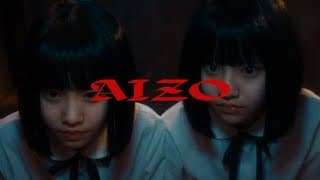
King Gnu - AIZO
"AIZO" (which translates to "Love and Hate") is a track from King Gnu’s debut album, *Tokyo Rendez-Vous* (2017). It serves as a gritty exploration of the thin, often blurred line between deep affection and intense resentment. Here is an analysis and explanation of the song: ### 1. Overall Theme The song explores the paradoxical nature of "Aizo"—the Japanese concept of a love-hate relationship. It depicts a cycle of emotional dependency where two people are trapped in a loop of hurting and healing one another, suggesting that passion and destruction are inextricably linked. ### 2. Key Lyrics Analysis * "Love and hate, swirling around" (愛憎渦巻いて): The central metaphor of the song describes emotions not as linear, but as a whirlpool. This suggests that the narrator is stuck in a chaotic emotional state where they cannot distinguish where love ends and hatred begins. * "I want to break it, I want to embrace it": These contradictory impulses highlight the volatility of the relationship. The urge to "break" symbolizes the frustration and pain, while the "embrace" signifies the lingering attachment and physical need for the other person. * "Everything is a lie / Everything is the truth": This line emphasizes the loss of objective reality within a toxic or obsessive bond. In the heat of passion or argument, both the lies and the truths feel equally heavy and exhausting. ### 3. Emotional Tone The emotional tone is frantic, gritty, and restless. Musically, the song features a driving, distorted bassline and a jittery rhythm that mirrors the feeling of an anxious heartbeat. Daiki Tsuneta’s vocals often sound filtered or distant, while Satoru Iguchi’s parts add a layer of melodic desperation, creating a "fever dream" atmosphere that is both sophisticated and raw. ### 4. Cultural Context In Japanese culture, the term "Aizo" (愛憎) is frequently used in literature and film to describe complex bonds (often family or lovers) that are too deep to be purely positive. The song fits into the "Tokyo Chaotic" aesthetic that King Gnu championed early in their career—representing the overwhelming, messy, and sometimes cold nature of life and relationships in a massive metropolis like Tokyo. ### 5. Artist Context "AIZO" is a quintessential example of King Gnu’s early "Tokyo New Mixture" style. It was recorded during the transition from their previous moniker, *Srv.Vinci*, to *King Gnu*. It showcases Daiki Tsuneta’s genius for blending Western alternative rock and jazz influences with J-pop sensibilities. While later hits like "Hakujitsu" became more polished, "AIZO" remains a fan favorite for its unrefined energy and its role in establishing the band’s signature dark, urban identity.

VOCE NA MIRA (Slowed)
"VOCE NA MIRA (Slowed)" by SUKA. is a prominent track within the Brazilian Phonk genre, specifically designed for the "dark aesthetic" popular on social media. Here is an analysis of the song: 1. Overall Theme The song centers on the theme of a relentless pursuit or a "hunt." The title translates to "You in the Crosshairs," and the lyrics revolve around the idea of a predator-prey dynamic where the narrator has complete dominance over their target. 2. Key Lyrics Analysis While the lyrics are repetitive—a common trait in Phonk to allow the beat to take center stage—certain lines carry the weight of the theme: * "Você na mira" (You in the crosshairs): This establishes the central metaphor of the song. It suggests that the subject has been singled out and has no way to escape the narrator's focus. * "No meu radar" (On my radar): This implies constant surveillance and inevitability. It reinforces the idea that no matter where the person goes, they are being tracked. * "Pode correr, pode chorar" (You can run, you can cry): These lines emphasize a sense of ruthlessness. It suggests that the target's emotional response or attempts to flee are futile against the narrator's intent. 3. Emotional Tone The "Slowed" version of the song transforms the original's high-energy aggression into something more menacing, atmospheric, and brooding. * The heavy, distorted bass combined with the slower tempo creates a feeling of "looming danger." * It conveys a sense of dark confidence and intimidation, which is why it is frequently used as background music for "villain" edits or intense workout videos. 4. Cultural Context * Brazilian Phonk: The song is a hybrid of Memphis-inspired Phonk (heavy cowbells and lo-fi textures) and Brazilian *Funk Carioca* (specific vocal rhythms and aggressive delivery). * Edit Culture: This track belongs to a digital subculture where music is crafted specifically for TikTok, Reels, and YouTube "edits." It is often paired with visuals of drifting cars, gym transformations, or powerful anime characters. * The "Slowed + Reverb" Trend: Slowing down the track is a deliberate aesthetic choice common in Gen Z music consumption to enhance the "moodiness" and make the bass hits feel more physical and "heavy." 5. Artist Context SUKA. is part of a new wave of producers who have successfully bridged the gap between local Brazilian sounds and global electronic trends. "VOCE NA MIRA" is a quintessential example of how SUKA. utilizes minimalist, aggressive vocals to create a "vibe" rather than a traditional narrative song. This track helped solidify the artist's presence in the "Dark Funk" scene, where the producer's ability to manipulate atmosphere is more important than complex lyricism.
VOY A LLeVARTE PA PR
"VOY A LLEVARTE PA PR" (I’m Going to Take You to PR) is a track from Bad Bunny’s 2020 album *EL ÚLTIMO TOUR DEL MUNDO*. It serves as both a romantic proposition and a love letter to his home island. Overall Theme The song centers on the narrator’s desire to fly his romantic interest to Puerto Rico to show her his culture, lifestyle, and the beauty of the island. It frames a trip to his homeland as the ultimate romantic gesture, suggesting that sharing one’s roots is a deep form of intimacy. Key Lyrics Analysis * "Voy a llevarte pa' PR, pa' que tú vea' lo que es lo bueno": This translates to "I'm going to take you to PR, so you can see what the good stuff is." It sets the stage for the song as a guided tour of high-quality island living. * "Piscina con cascada en El Conquistador": He references *El Conquistador*, a famous luxury resort in Fajardo, PR. This adds a specific, real-world touch to the fantasy of the trip. * "Tú no ere' de aquí, pero de aquí te va' a sentir": ("You aren't from here, but you're going to feel like you are.") This highlights the welcoming nature of Puerto Rican culture and Benito's belief that the island’s energy can make anyone feel at home. * "Comer mofongo y un chin de arroz con habichuela": By mentioning iconic dishes like mofongo and rice and beans, he emphasizes that the experience isn't just about luxury, but about authentic Puerto Rican soul. Emotional Tone The tone is relaxed, romantic, and nostalgic. The production features a laid-back, mid-tempo beat with shimmering synths that evoke the feeling of a sunset or a late-night drive along the coast. It carries a sense of "Boricua pride" (Puerto Rican pride) that is warm and inviting rather than aggressive. Cultural Context The song acts as a mini-travelogue of Puerto Rico. Beyond the luxury resorts, it touches on the everyday joys of the island—the food, the music, and the hospitality. For the Puerto Rican diaspora or fans abroad, the song serves as a reminder of the island’s allure. It also reinforces Bad Bunny’s role as an unofficial ambassador for PR, constantly promoting the island's beauty to his global audience. Artist Context This track fits into the experimental phase of Bad Bunny’s career seen in *EL ÚLTIMO TOUR DEL MUNDO*, where he moved away from pure reggaeton and trap into alternative and synth-pop territory. While much of that album is melancholic or rock-influenced, "VOY A LLEVARTE PA PR" provides a moment of sweetness and light, showcasing his evolution into a more mature songwriter who can blend romantic themes with national identity.

Alan Walker - Faded
"Faded" by Alan Walker is a global electronic dance music (EDM) phenomenon that combines haunting vocals with a melancholic, cinematic melody. Here is an analysis of the track: Overall Theme The song explores themes of loss, abandonment, and the desperate search for a person or a feeling that has disappeared. It uses the metaphor of being "faded" to describe the sensation of losing one's identity and sense of belonging when a vital connection is severed. Key Lyrics Analysis * "Where are you now? Was it all in my fantasy?": These recurring questions highlight the protagonist's uncertainty and denial. They are questioning if the relationship or the person they are looking for was ever real to begin with. * "Atlantis, under the sea / Under the sea": Atlantis is a mythical lost city. By using this reference, the lyrics suggest that what the singer is looking for is not just gone, but buried so deep it is unreachable—beautiful but legendary and lost. * "The monster’s running wild inside of me": This line shifts the focus from external searching to internal turmoil. It suggests that the absence of the "other" is causing a mental health struggle, anxiety, or a loss of self-control. * "I’m faded / So lost, I’m faded": To "fade" is to slowly disappear. The chorus emphasizes that without the light (the person they are seeking), the narrator is becoming transparent and insignificant, eventually vanishing into the darkness. Emotional Tone The song carries a melancholic and ethereal tone. While the beat is characteristic of EDM, the minor key and Iselin Solheim’s breathy, fragile vocals create a sense of profound loneliness and nostalgia. It feels both vast (cinematic) and intimate (personal grief). Cultural Context Released in late 2015, "Faded" became an anthem for the digital age. Its music video—featuring a lone protagonist in a post-apocalyptic setting wearing a mask and hoodie—resonated deeply with internet and gaming culture. The "Walker" aesthetic (the hoodie and face mask) became a symbol of unity and anonymity for his global fanbase, known as "Walkers." Artist Context "Faded" is the definitive breakout hit for Alan Walker. It is actually a vocal rework of his 2014 instrumental track "Fade." The addition of vocals and a more polished production propelled Walker from a bedroom producer in Norway to an international superstar. The song established his signature "electro-house" sound—high-pitched synth leads and slow-tempo beats—which he continued to refine throughout his career.

Olsi Bylyku ft. Gjovalin Shani - Lule Mali
"Lule Mali" (Mountain Flower) by Olsi Bylyku featuring Gjovalin Shani is a vibrant fusion of modern Albanian pop and traditional folk elements. Here is an analysis of the song: ### 1. Overall Theme The song is a passionate tribute to a woman’s beauty and the intoxicating effect she has on the singer. Using the metaphor of a "mountain flower," the song explores themes of infatuation, longing, and the irresistible pull of a love that feels both natural and overwhelming. ### 2. Key Lyrics Analysis * "Oj lule mali, lule mali / Ti ma more mendjen mue" (*Oh mountain flower, mountain flower / You took my mind away*): This is the central hook of the song. The "mountain flower" is a classic Albanian poetic trope representing a girl of rare, wild, and pure beauty. To "take the mind" implies a state of obsession where the singer can no longer think clearly. * "S'më len rehat as n'gjums" (*You don't leave me alone even in my sleep*): This line emphasizes the depth of his infatuation. It suggests that his desire for her is so strong that it haunts his subconscious, blurring the line between reality and dreams. * Gjovalin Shani’s Folk Verses: His contribution uses the Gheg (Northern Albanian) dialect, which adds an air of authenticity and "Malësor" (Highlander) chivalry. His lyrics often speak to the pride and the "fire" that this love has ignited, framing the romance within the context of traditional honor and strength. ### 3. Emotional Tone The tone is intense, rhythmic, and celebratory. While the lyrics speak of a "suffering" caused by love, the upbeat tempo and folk-pop instrumentation turn that struggle into a celebration of passion. There is a sense of "kurbet" (longing) mixed with the high energy of a typical Balkan celebration. ### 4. Cultural Context * Ethno-Pop Fusion: The song is a prime example of the modern Albanian music trend that blends "Tallava" and pop influences with traditional northern folk motifs (the use of the *çifteli* sound or traditional vocal scales). * The Symbol of the Mountain: In Albanian culture, the mountains (*Malet*) represent strength, purity, and heritage. Calling someone a "mountain flower" is one of the highest compliments, suggesting she is a rare gem from a rugged, beautiful landscape. * Generational Bridge: By featuring Gjovalin Shani, a respected folk singer, Olsi Bylyku bridges the gap between the older generation that cherishes traditional music and the younger generation that consumes modern pop. ### 5. Artist Context Olsi Bylyku originally rose to fame as a stand-up comedian on shows like *Portokalli*. His transition into music was initially met with curiosity, but hits like "Lule Mali" proved his ability to create "commercial folk" that resonates with the masses. This song specifically helped cement his image as an entertainer who respects his cultural roots while maintaining a trendy, youthful appeal. It remains one of his most popular collaborations due to its "wedding-ready" energy and catchy hook.

NOT ME
"NOT ME" is a track from ILLIT’s 2nd Mini Album, *I’LL LIKE YOU*. It captures the bewildering but exciting feeling of acting completely "out of character" because of a new crush. ### 1. Overall Theme The song explores the theme of self-discovery through the lens of first love, focusing on the moment a person realizes they are acting in ways they never expected. It depicts the confusion of feeling like a stranger to oneself because your preferences, habits, and emotions are suddenly revolving around someone else. ### 2. Key Lyrics Analysis * "Everything I used to hate, I’m doing right now": This highlights the core conflict of the song. The protagonist is breaking their own rules—perhaps liking a certain type of music or going to certain places—just to be closer to their crush. * "Who is this in the mirror? Not me": This recurring motif serves as a literal representation of the "identity crisis" caused by infatuation. The person looking back looks the same, but their behavior feels unrecognizable. * "A strange glitch in my system": ILLIT often uses digital or supernatural metaphors (similar to "Magnetic"). Here, the "glitch" represents the loss of control over one's emotions and body when the crush is nearby. ### 3. Emotional Tone The tone is playful, frantic, and bubbly. It carries a sense of "cute denial"—where the singer is frustrated by their own changing behavior but is clearly enjoying the rush of the feelings. It captures the high-energy "butterflies in the stomach" sensation common in teenage romance. ### 4. Cultural Context The song taps into Gen Z’s obsession with self-identity and MBTI-style categorization. In a culture where young people are very aware of "who they are," the sudden shift in personality caused by love feels like a significant, almost world-ending event. It also reflects the "Kawaii-core" or "Whimsical" aesthetic that is currently trending in 5th-generation K-pop, focusing on inner thoughts and quirky internal monologues. ### 5. Artist Context "NOT ME" serves as a perfect B-side to reinforce ILLIT’s group identity established in their debut. While their hit "Magnetic" was about the external pull toward someone else, "NOT ME" focuses on the internal reaction to that pull. It cements their image as the "unpredictable and honest" girl group who navigates the awkward, relatable moments of girlhood with upbeat, catchy melodies.

Dynamite
"Dynamite" by BTS is a global disco-pop phenomenon that marked a historic turning point for the group and K-pop as a whole. Here is an analysis of the track: 1. Overall Theme "Dynamite" is a high-energy anthem centered on joy, self-confidence, and the power of music to "light up" the world. Released during the height of the COVID-19 pandemic, the song serves as a message of hope and a reminder to find happiness in small moments even during difficult times. 2. Key Lyrics Analysis * "I’m in the stars tonight / So watch me bring the fire and set the night alight": These opening lines set the stage for the song’s mission—to transform darkness (metaphorical or literal) into a vibrant celebration through performance and light. * "King Kong, kick the drum, rolling on like a Rolling Stone": These lyrics use iconic pop culture references to symbolize power and unstoppable momentum. It suggests that the group is moving forward with the strength of a giant and the longevity of rock legends. * "Light it up like dynamite": The central hook uses an explosion as a metaphor for a sudden, massive burst of positive energy and charisma that captures everyone’s attention. 3. Emotional Tone The tone is overwhelmingly euphoric, optimistic, and playful. The upbeat tempo (114 BPM) and funky basslines are designed to induce "earworms" and encourage dancing. It lacks the introspection or social commentary found in many other BTS songs, focusing instead on pure, unadulterated "feel-good" vibes. 4. Cultural Context * Disco Revival: The song leans heavily into 1970s and 80s nostalgia, following a global trend of "retro-pop" (similar to Dua Lipa or The Weeknd). * Michael Jackson Homage: Both the choreography (the leg kicks, the hat tips) and the vocal delivery pay tribute to the "King of Pop," grounding the song in classic Western pop history. * Pandemic Healing: BTS explicitly stated they released this song to provide energy to fans who were feeling exhausted and isolated during global lockdowns. 5. Artist Context "Dynamite" was a career-defining milestone for BTS. It was their first song recorded entirely in English, a strategic move that led them to their first #1 on the Billboard Hot 100 and their first Grammy nomination. It transitioned BTS from "global K-pop superstars" to "household names" in the Western mainstream, proving their versatility beyond the Korean language.