Latest Articles
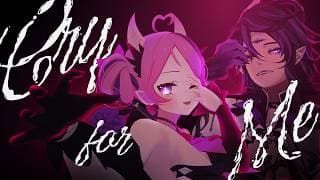
Cry For Me - Ironmouse
"Cry For Me" is a standout original track by the world-renowned VTuber and singer Ironmouse, featured on her 2023 debut album *The Cycle of the Universe*. The song blends high-energy pop-rock with a dark, vengeful edge. Here is an analysis of the track: ### 1. Overall Theme The song is a powerful "revenge anthem" centered on the aftermath of a toxic relationship and the reclamation of self-worth. It explores the transition from being a victim of emotional manipulation to finding empowerment through the realization that the other person no longer has power over her. ### 2. Key Lyrics Analysis * "I hope you cry for me / Like I cried for you": This is the emotional core of the song. It represents a desire for "emotional karma"—wishing for the person who caused the pain to finally understand the depth of the damage they dealt. * "Did you think I'd be the one to fall apart? / Look at me now, I’m a work of art": These lines highlight the theme of transformation. The singer subverts the antagonist’s expectations of her weakness, showing that she has rebuilt herself into something stronger and more beautiful. * "You’re just a ghost in my machine": This is a clever double entendre. In a literal sense, it refers to her existence as a VTuber (a digital avatar). Metaphorically, it means the person is now a fading, irrelevant memory within her life and digital world. * "I’m the one who’s laughing now": This marks the definitive shift in the power dynamic. The sadness has been replaced by a sense of dark satisfaction and triumph. ### 3. Emotional Tone The tone is defiant, cathartic, and aggressive. While the lyrics touch on past vulnerability, the delivery is filled with "scorned lover" energy. The song feels like an emotional purge; it moves from the bitterness of betrayal to the exhilarating high of walking away and leaving the other person in the dust. ### 4. Cultural Context Musically, the song draws heavily from 80s-inspired synth-wave and dark pop, a style that has seen a massive resurgence in internet culture. Within the VTuber community, "Cry For Me" represents the "Original Song" movement, where creators move beyond covers to establish unique musical identities. It also taps into the "Girlboss" or "Vengeance" trope popular in modern pop media, where the protagonist refuses to be a martyr. ### 5. Artist Context For Ironmouse, this song is a testament to her vocal versatility. Known for her high-pitched, bubbly speaking voice, she uses a much deeper, more resonant, and powerful "belting" register here. * Overcoming Adversity: Given Ironmouse’s real-life struggle with CVID (Common Variable Immunodeficiency), songs like this carry extra weight. Her ability to record high-intensity powerhouse vocals while being bedbound due to illness adds a layer of literal physical triumph to the lyrical themes of strength. * Career Milestone: "Cry For Me" helped solidify her status as a legitimate musical artist rather than just a "gaming streamer," showcasing her ability to carry a professional-grade studio production.
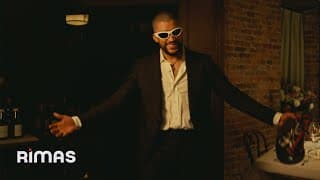
BAD BUNNY - MONACO (Official Video) | nadie sabe lo que va a pasar mañana
Here is an analysis of "MONACO" by Bad Bunny from his 2023 album *nadie sabe lo que va a pasar mañana*. 1. Overall Theme "MONACO" is a celebratory anthem centered on extreme wealth, elite status, and global dominance. Using the luxury of the Monaco Grand Prix and the high-stakes world of Formula 1 as metaphors, Bad Bunny asserts that he has transcended the music industry to become a worldwide icon who lives a life his critics can only dream of. 2. Key Lyrics Analysis * The Sample (Charles Aznavour - "Hier Encore"): The song opens with a sample of this classic French chanson. It creates an atmosphere of "old money" and cinematic prestige, immediately signaling that this isn't a standard reggaeton track, but a sophisticated trap production. * "Ustedes hablando mierda y yo ganando premios": *(You guys talking shit and I'm winning awards).* This line directly addresses his "haters" and critics. He emphasizes that while the internet discusses his personal life or fashion choices, his professional success remains untouchable. * "Lo que tú hagas en un año, yo lo hago en un minuto": *(What you do in a year, I do in a minute).* A classic trap boast regarding his earning power and efficiency, reinforcing the theme of "levels" between him and his peers. * References to Sergio "Checo" Pérez and Max Verstappen: By mentioning these F1 champions, Bad Bunny aligns himself with the pinnacle of athletic and technical excellence, suggesting he is the "World Champion" of the music industry. 3. Emotional Tone The tone is triumphant, arrogant, and defiant. There is a palpable sense of "I told you so." Unlike the vulnerability found in his previous album *Un Verano Sin Ti*, "MONACO" feels cold and expensive. It conveys the confidence of someone who has reached the top of the mountain and is looking down at the rest of the world. 4. Cultural Context * Formula 1: F1 has seen a massive surge in popularity in the Americas. By focusing on Monaco (the sport's most prestigious race), Bad Bunny taps into a specific aesthetic of "quiet luxury" and European jet-set culture. * Al Pacino: The music video features a legendary cameo by Al Pacino. This connects Bad Bunny to the "Godfather" archetype—Latin culture’s fascination with cinematic icons of power, respect, and the "mafia" aesthetic. * Trap Roots: The song marks a return to Latin Trap, the genre that originally made him famous, moving away from the pop-heavy sounds of 2022. 5. Artist Context "MONACO" serves as the mission statement for the album *nadie sabe lo que va a pasar mañana*. After becoming the most-streamed artist globally for three years straight, this song is Bad Bunny’s way of saying he no longer needs to make "radio hits." He is now in a position where he can experiment with orchestral samples and aggressive rap, asserting his legacy as a billionaire-tier mogul rather than just a "reggaetonero."

LET THE WORLD BURN (Official Music Video)
"LET THE WORLD BURN" by Chris Grey is a cinematic dark-pop anthem that explores the boundaries of obsessive love and destructive devotion. Here is an analysis of the track: 1. Overall Theme The song centers on an all-consuming, "us-against-the-world" romance that borders on toxic. It depicts a relationship so intense that the narrator is willing to witness the total destruction of society and themselves, as long as they remain by their partner's side. 2. Key Lyrics Analysis * "If you’re the one to light the match, then I’ll be there to catch the flame.": This line establishes the theme of unconditional loyalty. Even if the partner is the cause of the chaos or destruction, the narrator will not only stay but embrace the consequences. * "I’d rather die with you than live without you.": A classic "star-crossed lovers" trope. It heightens the stakes of the song, moving the narrative from simple romance into a life-or-death obsession. * "Let the world burn / As long as I’m with you.": The chorus serves as the ultimate declaration of apathy toward the outside world. It suggests that the "world" (rules, people, society) is an obstacle to their connection. 3. Emotional Tone The song is brooding, cinematic, and sultry. It carries a "villain-era" energy, blending the slow, heavy beats of modern R&B with the grandiosity of a film score. There is a palpable sense of tension and danger, yet it feels intimate and seductive, mirroring the addictive nature of a dark relationship. 4. Cultural Context The song gained massive popularity on social media platforms like TikTok and Instagram, largely within the "Dark Romance" and "BookTok" communities. Its dramatic, atmospheric sound makes it a favorite for "main character" edits, specifically those focusing on anti-heroes or "morally grey" fictional characters who would choose their lover over the safety of the world. 5. Artist Context Chris Grey is a singer-songwriter and producer known for his high production value and ability to blend genres. "LET THE WORLD BURN" served as a breakout moment in his career, solidifying his signature "cinematic pop" style. Grey often handles his own production, and this track showcases his ability to create a "sonic universe" that feels larger than life, moving him from a niche indie artist to a significant name in the dark-pop landscape.

Aakh Ye Taalibaani (4K )Manish sonipat Aala | Bali Sharma | Mayuri Gahlot | New Haryanvi Song 2025
"Aakh Ye Taalibaani" is a contemporary Haryanvi track performed by Manish Sonipat Aala and Bali Sharma, featuring Mayuri Gahlot. Released as a high-energy "Desi" pop song, it follows the modern trend of Haryanvi music that blends local folk sensibilities with urban "swag." Here is an analysis and explanation of the song: 1. Overall Theme The song is a rhythmic celebration of romantic attraction, focusing on the "deadly" beauty of the female protagonist. It uses hyperbolic and aggressive metaphors to describe her eyes and charm, portraying her as a powerful force that can captivate even the toughest man. 2. Key Lyrics Analysis * "Aakh Ye Taalibaani" (These eyes are like the Taliban): The central metaphor of the song. In the context of North Indian pop slang, "Talibani" is used to mean dangerous, fierce, or sharp. It implies that her gaze is as potent and "destructive" as a weapon, leaving the singer helpless. * References to "Badmashi" vs. Love: The lyrics often contrast the male lead's "tough guy" or "hooligan" persona with his vulnerability toward the woman. It suggests that while he might be feared in the streets, he is completely defeated by her beauty. * Regional Pride: Like many songs by Manish Sonipat Aala, the lyrics often name-drop local areas (like Sonipat) or Haryanvi traits to ground the song in "Desi" (local) identity and pride. 3. Emotional Tone The tone is bold, energetic, and celebratory. It carries a sense of "swagger" typical of the Haryanvi music industry. While the imagery used (like "Talibani") sounds intense, the emotional intent is playful and flirtatious, designed to be played at loud volumes in cars or at weddings. 4. Cultural Context * The "Deadly Beauty" Trope: In Haryanvi and Punjabi music, women are often compared to weapons (guns, swords) or dangerous entities. This reflects a cultural style where "strength" and "beauty" are intertwined. * Haryanvi Pop Evolution: The song represents the 2024–2025 wave of Haryanvi music, which uses high-definition 4K visuals, expensive cars, and stylized traditional clothing to showcase a "New Haryana" that is both wealthy and rooted in its rugged traditions. 5. Artist Context Manish Sonipat Aala has established himself as a prominent voice in the Sonipat-belt of Haryanvi music. He is known for "DJ hits" that appeal to the youth. This song fits perfectly into his career trajectory as a "Masala" artist—someone who provides high-production value, catchy hooks, and relatable "tough-guy" lyrics. Collaborating with Bali Sharma (known for powerful vocals) and Mayuri Gahlot (a popular face in Haryanvi music videos) ensures the song gains traction on social media platforms like Instagram Reels and YouTube shorts.

OMAR - VACHACHA (Video Clip)
"VACHACHA" by Omar Music is a contemporary Algerian track that blends modern urban sounds with traditional Maghrebi vibes. Below is an analysis of the song: 1. Overall Theme The song is a high-energy tribute to a captivating, joyful woman (the "Vachacha") and the vibrant lifestyle associated with modern North African youth. It centers on themes of attraction, celebration, and the desire to live a carefree life filled with music and charisma. 2. Key Lyrics Analysis * "Vachacha" (The Title): In Algerian slang, *Bachacha* (often stylized as Vachacha) refers to a person who is always smiling, radiant, or has a welcoming, cheerful face. By naming the song this, Omar focuses on the infectious positive energy of the woman he is describing. * Mixing of Darija and French: Like many modern Rai-Pop songs, the lyrics weave Algerian Arabic (Darija) with French terms. This reflects the bilingual reality of the Maghreb and the "cool" urban identity of the younger generation. * Repetitive Hooks: The lyrics are designed to be "entêtant" (catchy). The repetition of the woman’s traits emphasizes infatuation, while the rhythmic structure is built specifically for dancing and celebrations (like weddings or club settings). 3. Emotional Tone The tone is exuberant, flirtatious, and festive. There is a strong sense of "Joie de vivre" (joy of living). Unlike traditional Rai, which often focuses on *Ghorba* (homesickness) or *L'amour d'un seul côté* (unrequited love), "VACHACHA" is purely about the "vibe"—feeling good, looking good, and enjoying the moment. 4. Cultural Context * Neo-Rai/Rai-Trap: The song belongs to the modern wave of Algerian music that moves away from the classic accordion and synth sounds of the 90s toward polished, bass-heavy production. * Social Media Influence: The song and its video are tailored for the "TikTok era." The visual aesthetics (luxury cars, stylish outfits, and urban landscapes) represent the aspirations and the modern lifestyle of the North African diaspora and tech-savvy youth in Algeria. * Wedding Culture: In Algeria and Morocco, songs like this are staple tracks for "Ambiance" at weddings, where the goal is to get the entire crowd moving. 5. Artist Context Omar Music is a rising figure in the Algerian commercial music scene. "VACHACHA" fits into his career as a mainstream "hit-maker" move. It solidifies his ability to produce club-ready tracks that appeal to both the local Algerian market and the Maghrebi community in Europe (specifically France). This song moves him further away from niche folk influences and firmly into the "Urban Pop" category.
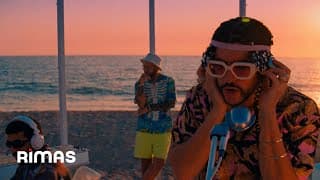
BAD BUNNY x JHAY CORTEZ - DÁKITI (Video Oficial)
"Dákiti" is a record-breaking global hit released in 2020 that redefined the sound of modern reggaeton. Here is an analysis of the song: Overall Theme The song centers on an intense, mutual attraction and a lifestyle of luxury and exclusivity. It portrays a relationship where both partners are equally confident and "on the same level," with the narrators (Bad Bunny and Jhay Cortez) boasting that they can provide everything the woman desires—both materially and physically. Key Lyrics Analysis * "Baby, a ti no te hace falta na', que yo no te dé": (Baby, you don't lack anything that I don't give you). This line establishes the theme of "flexing" or providing a high-end lifestyle, suggesting that the narrator is the ultimate provider. * "Tú ere' una bellaca, yo soy un bellaco": (You’re a freak, I’m a freak). This emphasizes their sexual chemistry and the idea that they are perfect counterparts who share the same wild energy. * "Ya yo me enteré, se nota cuando me ve'": (I already found out, it shows when you see me). This highlights the undeniable tension between the two characters; even if they try to be discreet, their body language gives them away. * "¿Qué vamo' a hacer? Tú dime": (What are we going to do? You tell me). This shifts the power to the woman, a common theme in Bad Bunny's lyrics where he expresses desire but respects the woman's agency in the encounter. Emotional Tone The song carries a confident, hypnotic, and euphoric tone. Unlike traditional high-energy reggaeton, the production is melodic and synth-heavy, creating a "dreamy" or "late-night" atmosphere. It feels both romantic and arrogant, blending the vulnerability of attraction with the bravado of fame and wealth. Cultural Context * The Name: "Dákiti" refers to a specific dock/pub area in Old San Juan, Puerto Rico, where people gather with their boats and jet skis to party. By naming the song after this location, they are rooting the global hit in Puerto Rican beach culture. * Musical Innovation: The song is a prime example of "Synth-wave Reggaeton." It moved away from heavy dembow riddims toward a more electronic, pop-infused sound that appealed to global audiences who didn't necessarily speak Spanish. Artist Context "Dákiti" was the lead single for Bad Bunny’s third album of 2020, *El Último Tour Del Mundo*. The song was a massive commercial success, becoming one of the few Spanish-language tracks to reach #1 on the Billboard Global 200. For Bad Bunny, it solidified his transition from a Latin Urban star to a global pop icon. For Jhay Cortez (now Jhayco), it was a career-defining moment that proved his ability to hold his own alongside the biggest artist in the world.
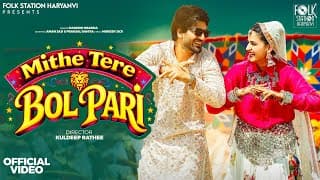
Mithe Tere Bol Pari (Official) Masoom Sharma | Aman Jaji | Pranjal Dahiya | New Haryanvi Song 2026
"Mithe Tere Bol Pari" is a popular Haryanvi track released by Folk Station, featuring the powerhouse collaboration of singer Masoom Sharma and the most prominent face in Haryanvi music videos, Pranjal Dahiya. Here is an analysis and explanation of the song: ### 1. Overall Theme The song is a quintessential Haryanvi romantic track centered on the admiration of a woman’s beauty, grace, and charming personality. It follows a classic "Desi" courtship theme where the male lead expresses how he is completely smitten by the woman's sweet voice (Bol) and her traditional Haryanvi elegance. ### 2. Key Lyrics Analysis * "Mithe Tere Bol Pari": Translated as "Your words are sweet, O Angel," this is the core hook of the song. It emphasizes that her way of speaking is her most enchanting quality, comparing her to a heavenly being (Pari). * "Ankhya Mein Surma": This refers to the kohl/eyeliner in her eyes. In Haryanvi folk music, *Surma* is often cited as a weapon of beauty that "strikes" the heart of the lover. * References to Attire (Daman and Ghanghara): The lyrics frequently praise her traditional Haryanvi attire. These garments are symbols of cultural pride and modesty, suggesting that her beauty is rooted in her heritage rather than modern fashion. * "Gaam mein charcha": This translates to "the whole village is talking." It implies that her beauty is so striking that she has become the talk of the town, establishing her as a "Queen" of her social circle. ### 3. Emotional Tone The tone is joyful, flirtatious, and celebratory. It isn't a song of heartbreak; rather, it’s a high-energy "feel-good" track. The music (by Aman Jaji) uses upbeat Haryanvi folk beats (Dhol and electronic fusion) that evoke a sense of celebration, making it a favorite for weddings and festivals. ### 4. Cultural Context * The "Desi" Aesthetic: The song heavily leans into the rural Haryanvi lifestyle. From the village setting to the traditional jewelry (like the *Hasli* or *Tagdi*), it celebrates the "Lathmar" (raw and rustic) yet sweet culture of Haryana. * Gender Roles in Folk Pop: The song follows the trend of modern Haryanvi music where the male singer "praises" the female lead’s traditional values and aesthetics, which is a very popular trope in the region's pop culture. ### 5. Artist Context * Masoom Sharma: Known for his deep, rustic, and authentic Haryanvi voice, Masoom Sharma often bridges the gap between traditional folk and modern pop. This song reinforces his image as a singer who stays true to his roots. * Aman Jaji: As the music composer, Aman Jaji is known for creating "viral" beats that are catchy and danceable, which helped this song trend on social media platforms like Instagram Reels and YouTube Shorts. * Pranjal Dahiya: Often called the "Haryanvi Queen," her presence in the video almost guarantees a hit. Her portrayal of a traditional yet spirited Haryanvi girl is a major reason for the song's massive visual appeal. Summary: "Mithe Tere Bol Pari" is a vibrant tribute to Haryanvi beauty and culture, blending traditional lyrical themes with modern, upbeat production to create a modern folk anthem.

Idgitaf - Sedia Aku Sebelum Hujan (Official Music Video)
"Sedia Aku Sebelum Hujan" is a standout track by Indonesian singer-songwriter Idgitaf (Gita). It is a poignant, introspective song that blends folk-pop sensibilities with deep psychological themes. Here is an analysis of the song: 1. Overall Theme The song is a clever play on the famous Indonesian proverb, *"Sedia payung sebelum hujan"* (Prepare an umbrella before it rains), which means to be prepared before trouble strikes. However, Idgitaf replaces the "umbrella" with "myself," focusing on the importance of emotional resilience and self-preparedness. The theme centers on the inevitability of life's hardships and the conscious effort one must make to stay grounded when "the storm" eventually arrives. 2. Key Lyrics Analysis * "Duniaku sedang baik-baik saja / Tapi aku tahu hujan 'kan tiba" (*My world is doing fine right now / But I know the rain will arrive*): These lines capture the feeling of "anticipatory anxiety." It suggests that even in happy moments, the narrator is aware that life is cyclical and pain is inevitable, emphasizing a realistic rather than pessimistic worldview. * "Sedia aku sebelum hujan" (*Prepare me before the rain*): By personifying the preparation, Idgitaf suggests that tools (umbrellas) aren't enough to survive life's problems; one must strengthen their own soul and mental state to withstand the "weather." * "Tak perlu lari, tak perlu sembunyi" (*No need to run, no need to hide*): This reflects a growth mindset. Instead of avoiding pain or trauma, the narrator chooses to face it head-on, provided they have prepared themselves mentally. 3. Emotional Tone The song carries a melancholic yet empowering tone. It starts with a sense of vulnerability and "quiet worry," but as the arrangement builds, it shifts toward a sense of acceptance and readiness. There is a certain "bravery in sadness" that Idgitaf conveys through her vocal delivery—soft yet firm. 4. Cultural Context In Indonesian culture, the phrase *"Sedia payung sebelum hujan"* is taught to children as a basic lesson in prudence and planning. By subverting this proverb, Idgitaf speaks to a modern generation (Gen Z/Millennials) that prioritizes mental health and emotional intelligence over just material or practical preparation. The "rain" serves as a universal metaphor for sadness, loss, or the "quarter-life crisis" many young Indonesians face. 5. Artist Context This song is a core part of Idgitaf’s debut full-length album, *Mengudara*. After gaining fame on TikTok for her quirky and relatable snippets, this track helped solidify her position as a "serious" songwriter in the Indonesian indie-pop scene. It aligns with her brand of being "the voice of the overthinker," turning internal anxieties into beautiful, orchestral-leaning folk music. The music video further emphasizes this by using cinematic visuals to portray the weight of preparation and the catharsis of finally facing the "rain."

dopamina - Peso Pluma & Tito Double P (Video Oficial)
Here is an analysis and explanation of the song "Dopamina" by Peso Pluma and Tito Double P. ### 1. Overall Theme "Dopamina" is a celebration of the high-octane, luxury lifestyle achieved through success in the "underground" and the music industry. The song serves as a boastful anthem about wealth, high fashion, loyalty to one's inner circle, and the literal and metaphorical "rush" (the dopamine) that comes with power and excess. ### 2. Key Lyrics Analysis * "Dopamina, la que corre por las venas" (Dopamine, what runs through the veins): This metaphor likens the thrill of their fast-paced, dangerous, and wealthy lifestyle to a chemical high. It suggests they are addicted to the adrenaline of their success. * "Pura marca de la que no se ve seguido" (Only brands you don't see often): This refers to "quiet luxury" or high-end designer clothing that is exclusive and expensive, signaling a status level above common luxury brands. * "Un San Juditas que me cuida por donde ando" (A Saint Jude that protects me wherever I go): Saint Jude Thaddeus is the patron saint of lost causes and is a deeply significant figure in Mexican "street" culture. This line highlights the spiritual protection the protagonist feels he needs given his high-risk environment. * "Las pacas de a cien, bien formadas en la mesa" (Stacks of hundreds, well-arranged on the table): A classic *corrido* trope symbolizing financial liquidity and the physical manifestation of power. ### 3. Emotional Tone The tone is confident, hedonistic, and triumphant. There is no sense of apology for their lifestyle; instead, the song carries an air of "untouchability." The rhythm is upbeat and driving, which mimics the physiological effects of dopamine—excitement and high energy. ### 4. Cultural Context The song belongs to the Corridos Tumbados/Bélicos subgenre. Culturally, it reflects the "New Mexican" aesthetic where traditional norteño instruments (tuba, charcheta, and guitar) are paired with the bravado and lyrical themes of modern Hip-Hop. * The "Bélico" Lifestyle: The lyrics reference a specific lifestyle involving armored trucks, private security, and luxury parties, which is a common theme in modern Mexican youth culture that romanticizes the grit and rewards of the northern Mexican borderlands. ### 5. Artist Context * Peso Pluma: As the global face of Regional Mexican music, this song reinforces his "Pura Doble P" brand—mixing street credibility with global superstardom. * Tito Double P: Tito is Peso Pluma's cousin and one of his primary songwriters. Their collaboration is foundational to Peso Pluma’s sound. In "Dopamina," Tito moves from behind the scenes to center stage, proving that the "Peso Pluma sound" is a family business. * Career Placement: This track serves as a "victory lap," moving away from the "struggle" narratives of earlier corridos and focusing entirely on the spoils of their current global dominance.
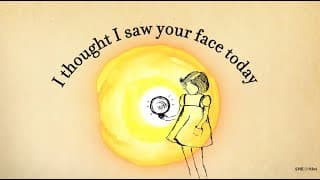
She & Him - I Thought I Saw Your Face Today (Official Lyric Video)
"I Thought I Saw Your Face Today" is a standout track from She & Him’s debut album, *Volume One*. It highlights the duo’s signature blend of vintage folk-pop and soulful melancholy. ### 1. Overall Theme The song explores the lingering presence of a past lover and the psychological phenomenon of "seeing" someone who is no longer there. It captures the fleeting, bittersweet moment when a memory is so strong that it manifests in the physical world, only to dissolve back into reality. ### 2. Key Lyrics Analysis * "I thought I saw your face today / In the sparkling of the sun on the bay": This opening sets a romantic but illusory tone. It suggests that the narrator is projecting the image of their lost love onto the natural beauty around them, showing how deeply the person is still integrated into their psyche. * "But I'm just a fool who thinks he sees / Something that is only a breeze": Here, the lyrics acknowledge the trickery of the mind. There is a sense of self-deprecation and the realization that the "vision" was just a random movement of nature, emphasizing the loneliness of the narrator. * "You're everywhere and nowhere too": This paradox perfectly describes the aftermath of a breakup or a loss. The memory of the person haunts every location, yet their physical absence is absolute. ### 3. Emotional Tone The tone is wistful, nostalgic, and gently melancholic. While the melody is breezy and folk-inspired, there is an underlying sense of yearning. Zooey Deschanel’s vocals provide a "sunny-sad" quality—sounding bright and clear while delivering lyrics of quiet heartbreak. ### 4. Cultural Context The song draws heavily from 1960s Laurel Canyon folk and girl-group pop (such as The Ronettes or Skeeter Davis). During its release in 2008, it tapped into the "twee" and "indie-folk" movement, where artists looked back to analog recording techniques and mid-century aesthetics to create a sense of timelessness in a digital age. ### 5. Artist Context This song was pivotal in establishing the creative partnership between actress/singer Zooey Deschanel and musician M. Ward. It showcased Deschanel as a serious songwriter and Ward as a producer capable of creating "warm" and "dusty" soundscapes. It remains a fan favorite because it encapsulates the "She & Him" sound: simple, melodic, and emotionally resonant without being overly dramatic.

TOR MONITOR KETUA | ORANG BARU LEBE GACOR | ECKO SHOW, JUAN REZA, CHESYLINO (Official Music Video)
"TOR MONITOR KETUA | ORANG BARU LEBE GACOR" is a high-energy hip-hop collaboration featuring ECKO SHOW, Juan Reza, and Chesylino. It blends modern rap beats with the distinct dialect and flair of Eastern Indonesia. Here is an analysis of the song: 1. Overall Theme The song is a "flex" anthem centered on dominance, confidence, and the rise of a new generation of talent. It uses the metaphor of a radio report to announce that a "new player" has entered the scene and is performing significantly better than the competition or the established "old guard." 2. Key Lyrics Analysis * "Tor monitor ketua": Translated as "Monitoring, Boss/Leader," this line uses radio communication jargon. It sets a tone of being "on the field" or "on a mission," signaling to those in charge that a shift in power is happening. * "Orang baru lebe gacor": This is the core hook. *Orang baru* means "newcomer," and *gacor* is popular Indonesian slang for someone performing at peak efficiency, being "on fire," or being highly impressive. It asserts that the new talent is outshining everyone else. * Dialect Usage: The lyrics heavily feature the Manado/North Sulawesi dialect. This regional language serves as a mark of pride and authenticity, signaling that the artists are representing their roots while dominating the modern music scene. 3. Emotional Tone The tone is bold, aggressive, and celebratory. There is a palpable sense of swagger and defiance. It isn't just about making music; it’s about claiming territory and demanding respect. The energy is designed to be infectious, making it a popular choice for clubs, gyms, or "hype" videos. 4. Cultural Context * The "Gacor" Phenomenon: Originally used by bird-singing enthusiasts to describe a bird that chirps loudly and beautifully, the term *gacor* was adopted by ride-hailing drivers to mean "getting many orders." In this song, it represents the ultimate "hustle" culture—being the most productive and successful person in the room. * Eastern Indonesian Hip-Hop: The song is part of a thriving sub-genre of Indonesian rap from regions like Gorontalo and Manado. This scene is known for its fast-paced delivery and the use of local "Eastern" slang, which often sounds more rhythmic and percussive than standard Indonesian rap. 5. Artist Context ECKO SHOW is a veteran and a pioneer of regional rap in Indonesia. Throughout his career, he has successfully transitioned from a local hero to a national figure. This song fits his career trajectory of acting as a "Kingmaker" or a "Ketua" (Leader). By collaborating with Juan Reza and Chesylino, he bridges the gap between his established legacy and the "newcomers" (*orang baru*) he mentions, effectively maintaining his relevance while elevating the next generation of Eastern Indonesian artists.
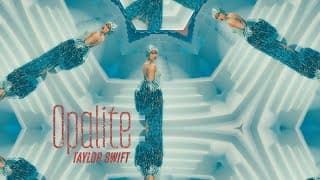
Taylor Swift - Opalite (Lyric Video)
It is important to clarify first that "Opalite" is not an official song released by Taylor Swift. The song currently circulating on YouTube and social media under this title is an AI-generated track or a fan-made creation designed to mimic Swift’s songwriting style and voice. It is often marketed as a "leaked" track or a "Vault" track to gain views. However, based on the content of these popular AI-generated versions, here is an analysis of the song as a piece of "fan-lore": 1. Overall Theme The song centers on the metaphor of Opalite, which is a man-made, synthetic glass made to look like a natural gemstone. The theme explores a relationship or a sense of self that feels beautiful and ethereal but is ultimately "artificial" or fragile, touching on the idea of performing a version of happiness that isn't quite real. 2. Key Lyrics Analysis * *"A man-made stone in a natural world"*: This line highlights the feeling of being an outsider or feeling "fake" amidst people who seem authentic. It reflects a common Taylor Swift trope of feeling like an "alien" or a "calculated" individual. * *"Catching the light but it’s all just a trick of the eye"*: This refers to the opalescent quality of the stone. In a lyrical sense, it suggests that the "glow" the narrator emits is a facade or a temporary distraction from a deeper sadness. * *"We built a cathedral out of sea glass"*: (Often found in AI-Swift lyrics) This mimics her use of architectural and elemental metaphors (like in *folklore* or *evermore*) to describe a relationship that is beautiful but easily shattered. 3. Emotional Tone The tone is melancholic, ethereal, and introspective. Because the AI is usually programmed to mimic the "Folklore" or "The Tortured Poets Department" eras, the music features soft piano, breathy vocals, and a "dream-pop" haze that evokes a sense of longing and quiet resignation. 4. Cultural Context This song is a prime example of AI "Leak" Culture. Within the Taylor Swift fandom ("Swifties"), there is a massive demand for new content. Creators use AI tools (like Udio or Suno) to generate songs that follow her lyrical "formula"—using specific vocabulary (e.g., "incandescent," "treacherous," "clandestine")—to trick listeners or provide "what-if" scenarios for unreleased tracks. 5. Artist Context While not a real song, "Opalite" fits into the "Acoustic/Poetic" archetype of Taylor Swift’s career. It draws heavily from her 2020–2024 era, where she moved away from upbeat pop into "cottagecore" and "dark academia" aesthetics. If it were real, it would likely be categorized as a "Vault" track from *Midnights* or an outtake from *The Tortured Poets Department* due to its focus on internal psyche and synthetic metaphors. *Note: To hear official Taylor Swift music, ensure the "Lyric Video" is posted by her verified Taylor Swift YouTube channel or official Vevo account.*