Latest Articles

Starting With You ❍
"Starting With You ❍" (너로 시작해) by Park Da Hye and MAKTUB is a sweeping romantic ballad that celebrates a love so profound it feels like destiny. Here is an analysis of the track: 1. Overall Theme The song centers on the theme of predestined love and the transformative power of a soulmate. It portrays a relationship where one person becomes the "beginning and the end" of the other's world, describing a love that feels like a miracle and provides a sense of ultimate completion. 2. Key Lyrics Analysis * "Everything starts with you, all my moments" (너로 시작해 내 모든 순간들이): This line establishes the core metaphor of the song. It suggests that the narrator's life lacked direction or true meaning until the partner arrived, making them the lens through which all experiences are now filtered. * "A miracle-like meeting with you" (기적 같은 너를 만나): The use of the word "miracle" is common in MAKTUB’s songwriting. it elevates the relationship from a simple romance to a cosmic event, suggesting that the odds of finding such a person were near impossible. * "The circle (❍) symbol": The symbol in the title represents wholeness, eternity, and the cycle of a love that has no end. It mirrors the lyrics that speak of a love that surrounds and protects the couple like an unbreakable ring. 3. Emotional Tone The tone is grand, reverent, and deeply sentimental. It begins with a soft, intimate piano melody, creating a sense of vulnerability. As the song progresses, it builds into a powerful orchestral climax with soaring high notes, conveying a sense of overwhelming gratitude and the "epic" scale of their feelings. 4. Cultural Context In South Korea, songs like "Starting With You" occupy a specific niche known as "Proposal Ballads." High-quality, emotionally charged duets are frequently played at weddings or used for romantic "confession" videos. The emphasis on "eternity" and "destiny" resonates strongly with the romantic ideals found in K-Dramas and traditional Korean romantic poetry. 5. Artist Context * MAKTUB: He is a renowned producer and singer-songwriter famous for his "high-note" ballads and wedding-favorite tracks (like *Marry Me* and *To You My Light*). This song fits perfectly into his discography of "vocal-heavy" romantic masterpieces. * Park Da Hye: As a frequent collaborator with MAKTUB, her clear and powerful vocal range provides the perfect emotional counterpoint to his voice. * The Collaboration: This track continues MAKTUB’s trend of creating "thematic" series (often associated with his *Red Moon* or *Red Wine* projects), where he explores different shades of love through lush, high-production balladry.
SIENNA SPIRO - Die On This Hill (NYC Visualizer)
"Die On This Hill" by Sienna Spiro is a soulful, cinematic ballad that explores the depths of romantic desperation and stubborn devotion. Here is an analysis of the track: 1. Overall Theme The song centers on the concept of unconditional, albeit self-destructive, loyalty to a failing relationship. It explores the choice to stay and fight for a partner even when the situation is "bitter" or one-sided, framing the narrator’s devotion as a final, immovable stand. 2. Key Lyrics Analysis * "I’ll die on this hill, just to feel close to you": This uses the common idiom "a hill to die on" (an issue someone will support regardless of the cost). Spiro subverts this into a romantic context, suggesting she would rather lose her pride or peace than lose the person she loves. * "You don't have to love me, just don't leave me yet": These lines highlight the theme of desperation. The narrator is willing to settle for presence over affection, showing a willingness to exist in a hollow relationship rather than face the void of abandonment. * "It’s a bitter pill, but I’ll swallow it": This signifies acceptance of a painful reality. She isn't delusional about the toxicity or the pain; she is making a conscious, albeit painful, choice to endure it. 3. Emotional Tone The tone is melancholic, raw, and intensely vulnerable. Sienna’s vocal delivery carries a "blue" quality—reminiscent of classic soul—that conveys a sense of exhaustion mixed with fierce determination. There is a heavy feeling of resignation throughout the song, as if she has already accepted her "fate" on that hill. 4. Cultural Context * The NYC Visualizer: The use of New York City as a backdrop for the visualizer emphasizes urban loneliness. The city's massive scale and cold aesthetic contrast with the intimate, internal struggle of the lyrics, suggesting that even in a city of millions, the pain of one relationship can feel all-consuming. * Soul Revival: The song fits into a modern "Retro-Soul" movement, where young artists use the sonic palettes of the 1960s and 70s to express contemporary emotional anxieties. 5. Artist Context Sienna Spiro is a rising British artist often compared to legendary voices like Adele and Amy Winehouse due to her "old soul" vocal texture. "Die On This Hill" serves as a defining moment in her early career, establishing her as a serious singer-songwriter who prioritizes emotional honesty and vocal prowess over flashy production. It cements her brand as an artist who navigates the darker, more complex corners of heartbreak.

Moy Bobadilla - Tus Mentiras (Video Oficial)
"Tus Mentiras" by Moy Bobadilla is a poignant Regional Mexican track that delves into the pain of betrayal and the eventual exhaustion that comes from being in a relationship built on falsehoods. Here is an analysis of the song: 1. Overall Theme The song centers on the theme of disillusionment and heartbreak. It portrays the moment a person decides to walk away after realizing their partner’s promises and declarations of love were entirely manufactured. It is essentially a "farewell" song driven by the bitter clarity of seeing through a loved one's deception. 2. Key Lyrics Analysis * "Me cansé de tus mentiras" (I’m tired of your lies): This serves as the emotional pivot of the song. It signifies the transition from being a victim of deception to someone who has gained the strength to stop the cycle. * The contrast between "Truth" and "Fiction": Throughout the verses, the lyrics often contrast the sincerity the narrator offered with the "theatrical" performance of the partner. The narrator emphasizes that while he was living a reality, the partner was merely playing a role. * The realization of wasted time: A recurring sentiment in the lyrics is the regret of having invested time and feelings into a "mirage," making the betrayal feel like a theft of the narrator's life. 3. Emotional Tone The tone is a blend of resentment, melancholy, and resolution. * Resentment: There is a palpable bitterness toward the partner for being so convincing with their lies. * Melancholy: The melody, typical of the *Banda* or *Mariachi-Norteño* style, carries a heavy sadness that reflects the loss of what the narrator thought was a perfect love. * Resolution: Despite the pain, there is an underlying sense of finality—the narrator isn't asking for an explanation; he is stating why he is leaving. 4. Cultural Context The song fits firmly within the "Despecho" genre (songs of spite/heartbreak), which is a cornerstone of Regional Mexican music. In Latin American culture, these songs serve as a form of emotional catharsis. They are often performed in "Cantinas" or concerts where the audience joins in to sing away their own experiences with infidelity and lying ex-partners. The production by MUSIC VIP ensures a polished, modern sound that appeals to younger generations while keeping the traditional "ranchera" soul. 5. Artist Context Moy Bobadilla is an emerging talent under the MUSIC VIP label (the powerhouse management behind stars like *Grupo Firme*). This song helps establish his identity as a solo artist who can handle "corta-venas" (vein-cutting/intense heartbreak) ballads. By releasing "Tus Mentiras," Bobadilla positions himself as a voice for the "betrayed lover," a persona that is highly relatable and commercially successful within the Regional Mexican market. It showcases his vocal range and his ability to convey deep vulnerability.
Namo Namo - Full Video | Kedarnath | Sushant Rajput | Sara Ali Khan | Amit Trivedi | Amitabh B
"Namo Namo" is a powerful devotional song from the 2018 Bollywood film *Kedarnath*. Composed and sung by Amit Trivedi with lyrics by Amitabh Bhattacharya, it serves as an introductory anthem for the film’s protagonist and the sacred landscape of the Himalayas. ### 1. Overall Theme The song is a soul-stirring tribute to Lord Shiva (the deity of Kedarnath) and a portrayal of the daily life of a *pithoo* (porter). It explores the intersection of physical labor and spiritual devotion, showing how the protagonist, Mansoor, finds divine purpose in serving pilgrims on their journey to the temple. ### 2. Key Lyrics Analysis * "Namo Namo Ji Shankara, Bholenath Shankara": This translates to "I bow to you, O Lord Shankara." The use of "Bholenath" emphasizes Shiva’s "innocent" and "merciful" nature, suggesting he is easily pleased by true devotion. * "Srishti ke janam se bhi pehle tera vaas tha": This line highlights the mythological belief that Shiva is the *Adi Dev* (Primordial God) who existed even before the creation of the universe. * "Kanth mein vish dhaar ke, amrit sabhi mein baanta": A reference to the legend of *Samudra Manthan*, where Shiva drank poison (Halahala) to save the world, giving the nectar of immortality to others. It symbolizes self-sacrifice for the greater good. * "Om Namah Shivay": The recurring chant acts as a meditative mantra, grounding the high-energy track in traditional Vedic spirituality. ### 3. Emotional Tone The song carries an uplifting, energetic, and reverent tone. It begins with a calm, melodic acoustic guitar, reflecting the peace of the mountains, and gradually builds into a grand crescendo with drums and a chorus. This progression mirrors the physical effort of climbing a mountain and the spiritual "high" of reaching the temple. ### 4. Cultural Context * The Setting: The song is filmed in the actual town of Kedarnath, one of the holiest Hindu pilgrimage sites (part of the Chardham Yatra). * Religious Harmony: In the film, the protagonist Mansoor is a Muslim man who serves Hindu pilgrims. The song underscores the Indian cultural ethos of *Sewa* (service), where the act of helping a devotee is seen as a direct service to God, transcending religious boundaries. * Shiva Imagery: The lyrics reference several attributes of Shiva, including his matted hair (*jata*), the crescent moon on his head, his trident (*trishul*), and his association with the river Ganga. ### 5. Artist Context * Amit Trivedi: This song is a testament to Trivedi’s versatility. Known for experimental and modern music, he successfully blended folk-rock influences with traditional devotional music to create a track that feels both ancient and contemporary. * Sushant Singh Rajput: For the late actor, this song became one of his most iconic sequences. His portrayal of Mansoor—full of warmth, physical resilience, and infectious joy—made the song a fan favorite. Following his passing in 2020, the song has taken on a poignant, nostalgic meaning for his audience. * Amitabh Bhattacharya: The lyricist is praised here for using pure Hindi and Sanskrit vocabulary that feels authentic to the Himalayan setting without becoming inaccessible to the general public.
Mirjalol Nematov - Dilbar (Official Music Video)
"Dilbar" by Mirjalol Nematov is a popular Uzbek pop song that has gained significant traction across Central Asia. Here is an analysis of the track: 1. Overall Theme The song is a rhythmic, romantic tribute to a beloved woman, referred to as "Dilbar" (a Persian-origin term meaning "heart-stealer" or "charming"). It focuses on the singer’s fascination with her beauty, her unique charm, and the deep emotional hold she has over him. 2. Key Lyrics Analysis * "Dilbar, dilbar, mani jonim dilbar": The repetition of the name "Dilbar" combined with "jonim" (my soul/my life) emphasizes that the woman is the center of the singer's universe. It is an expression of total devotion. * "Boqishlaring o’zgacha, kulishlaring o’zgacha": Translated as "The way you look is special, the way you smile is special." This highlights the "crush" stage of love, where every small gesture of the beloved feels unique and superior to anyone else's. * "Seni sevaman degan so’zlaringni sog’indim": Meaning "I missed your words saying 'I love you'." This indicates a deep bond and a longing for verbal confirmation of their mutual affection. 3. Emotional Tone The song carries an upbeat, joyful, and celebratory tone. Unlike many slow romantic ballads, "Dilbar" is high-energy and rhythmic. It conveys the excitement and "rush" of being in love, making it feel more like a celebration of a relationship rather than a mournful longing. 4. Cultural Context * The "To'yona" Style: In Uzbekistan, songs like "Dilbar" are often classified under or used for *To’y* (wedding) celebrations. The rhythm is specifically designed to be danceable, as music plays a central role in Uzbek wedding culture. * Poetic Vocabulary: The use of the word "Dilbar" connects the song to classical Eastern poetry, where the "Dilbar" was an idealized figure of beauty and grace, though Nematov brings this concept into a modern pop setting. 5. Artist Context Mirjalol Nematov is a prominent figure in the modern Uzbek music scene, known for blending traditional Oriental melodies with contemporary pop arrangements. "Dilbar" serves as a signature track in his discography, solidifying his reputation as a "hit-maker" for youth and wedding audiences. It showcases his ability to create catchy, radio-friendly hooks while maintaining the lyrical sentimentality that Uzbek audiences value.

Eypio - Yeraltı
"Yeraltı" (which translates to "Underground") by Eypio, performed for the Mahzen Fabrick sessions, is a gritty anthem that reaffirms the artist's roots in the Turkish rap scene. Here is an analysis of the song: 1. Overall Theme The song is an exploration of the "underground" as both a physical space (the streets and low-income neighborhoods) and a psychological state. It reflects on the hardships of survival, the authenticity required to maintain one’s identity, and the journey from being a voice in the dark to achieving recognition without losing one's soul. 2. Key Lyrics Analysis * "Kimi yer altı der, kimi der 'dert'" (*Some call it the underground, some call it 'trouble'*): Eypio suggests that for many, the underground isn't a cool subculture or a choice; it is a direct result of living in difficult, "troubled" socio-economic conditions. * "Gözüm karaydı, sözüm yaraydı" (*My eye was dark, my word was a wound*): This highlights his fearlessness ("dark eyes" implies being unafraid of danger) and the sharpness of his lyricism, which served as a tool to describe the "wounds" of society. * "Bize her yer Paris değil, her yer hapis" (*Everywhere isn't Paris to us; everywhere is a prison*): A play on a popular Turkish saying. He subverts the idea of luxury and travel, suggesting that for people from his background, the world often feels restrictive and claustrophobic regardless of where they go. 3. Emotional Tone The tone is gritty, defiant, and weary yet proud. There is a palpable sense of "street wisdom"—the voice of someone who has seen the dark side of life but has come out stronger. While the beat is driving and modern, Eypio’s delivery carries a heavy, melancholic weight that reminds the listener of the struggles behind his success. 4. Cultural Context The song fits into the wider Turkish Rap (Türkçe Rap) tradition of "Protest" and "Street" rap. The Mahzen Fabrick setting is crucial; "Mahzen" means cellar or dungeon, providing a visual and acoustic backdrop that mimics the "underground" vibe the lyrics describe. It pays homage to the *Gecekondu* (shanty town) culture of Istanbul, where Turkish hip-hop found its most authentic voice. 5. Artist Context Eypio is a veteran of the Turkish rap scene who achieved massive mainstream success with hits like "Günah Benim." For some old-school fans, mainstream success can signal a "selling out." "Yeraltı" serves as Eypio’s way of reclaiming his street credibility. It positions him as a bridge between the old-school underground era and the new, high-production era of Turkish hip-hop, proving that he can still deliver raw, hard-hitting bars despite his commercial fame.

Tere Liye - Lyrical - Prince | Vivek Oberoi | Atif Aslam, Shreya Ghoshal | Sachin Gupta |Dance Songs
"Tere Liye" is a quintessential Bollywood power ballad from the 2010 action-thriller film *Prince*. It features the iconic duo of Atif Aslam and Shreya Ghoshal, whose vocal chemistry turned the song into a timeless romantic anthem. Here is an analysis of the song: 1. Overall Theme The song explores the theme of unconditional devotion and the idea of "soulmates" who are destined to be together despite any obstacles. It depicts a love so deep that the protagonist feels their entire existence and survival are tied solely to their partner. 2. Key Lyrics Analysis * "Tere liye hum hain jiye, honthon ko siye" (I lived for you, with my lips sewn shut): This line suggests silent sacrifice and enduring pain or loneliness for the sake of love without complaining. * "Sadiyon se purana hai rishta yeh hamara" (This relationship of ours is centuries old): A common trope in Indian romance, this implies that their love isn't new but a connection of souls spanning multiple lifetimes (reincarnation/fate). * "Jaane kyun dil ko teri hi aas hai" (Don't know why the heart only longs for you): This highlights the helplessness of being in love, where the heart chooses its person instinctively, regardless of logic or situation. * "Har saans mein teri mehak, koi aur nahi hai mere paas" (Your fragrance is in every breath; there is no one else near me): This emphasizes the all-encompassing nature of their love, where the partner’s presence is felt even in their absence. 3. Emotional Tone The song carries an intense, yearning, and passionate tone. While the verses have a soft, melodic quality (especially Shreya Ghoshal’s portions), the chorus—driven by Atif Aslam’s high-pitched, powerful vocals—evokes a sense of desperation and grand emotional release. It balances a feeling of peace with a high-energy rock-ballad vibe. 4. Cultural Context In the context of the movie *Prince*, the protagonist (Vivek Oberoi) suffers from memory loss. The song serves as an emotional anchor, representing his subconscious search for his identity and the woman he loves. Culturally, this song represents the "Indie-Pop-meets-Bollywood" era of the late 2000s, where traditional Indian melodies were blended with Western soft-rock arrangements (drums and electric guitars). 5. Artist Context * Atif Aslam: This is one of Atif’s most career-defining tracks in Bollywood. It showcased his signature "vocal belting" style and solidified his reputation as the go-to singer for high-stakes romantic songs. * Shreya Ghoshal: Her contribution provides a delicate contrast to Atif’s raw energy, demonstrating her versatility in handling modern pop-rock compositions. * Sachin Gupta: The composer gained significant acclaim for this soundtrack, blending a futuristic, edgy sound with soulful melodies that resonated with the youth of that decade.
Luis Fonsi - Despacito ft. Daddy Yankee
"Despacito" is a global phenomenon that redefined the reach of Spanish-language music in the 21st century. Here is an analysis of the track: 1. Overall Theme The song is a romantic and sensual exploration of physical attraction and courtship. It focuses on the desire to take a romantic encounter "slowly" (*despacito*) to savor the moment, emphasizing chemistry, dance, and intimacy rather than rushing. 2. Key Lyrics Analysis * "Despacito / Quiero respirar tu cuello despacito": This is the core hook. It translates to "Slowly / I want to breathe on your neck slowly." It sets the pace of the song, focusing on the sensory and physical aspects of attraction. * "Tú eres el imán y yo soy el metal": "You are the magnet and I am the metal." This metaphor illustrates an irresistible, almost scientific attraction between the two people that they cannot fight. * "Pasito a pasito, suave suavecito": "Step by step, soft softly." This line reinforces the theme of patience and the rhythmic nature of both the dance and the developing romance. * "Para que te acuerdes si no estás conmigo": "So that you remember [me] if you aren't with me." This implies that the experience is so intense it will leave a lasting mark on the partner’s memory. 3. Emotional Tone The tone is sensual, flirtatious, and celebratory. While the lyrics are suggestive, the melody is infectious and joyful. It balances the heat of a reggaeton club track with the melodic sweetness of a pop ballad, creating a mood that feels both intimate and high-energy. 4. Cultural Context The song is a love letter to Puerto Rico. The music video was filmed in La Perla and the bar La Factoría in Old San Juan, showcasing the island's vibrant culture and people. Musically, it is a "pop-urban" fusion—blending traditional Latin pop with the rhythmic "dembow" beat of reggaeton. It played a massive role in the "second Latin Boom," proving that a Spanish-language song could dominate global charts (reaching #1 in nearly 50 countries) without needing to be translated into English. 5. Artist Context Before "Despacito," Luis Fonsi was primarily known as a "romantic balladeer" who sang emotional pop songs. This track represented a major pivot in his career toward the "Urban" (reggaeton) genre. Daddy Yankee, a pioneer of reggaeton, provided the "street" credibility and rhythmic flow necessary to make the crossover successful. The collaboration bridged the gap between two different musical worlds, cementing Fonsi as a versatile global superstar and reaffirming Daddy Yankee’s status as a legend in the genre.
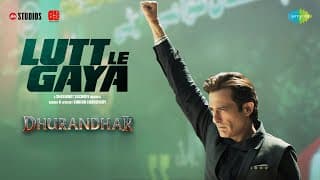
Lutt Le Gaya | Dhurandhar | Ranveer Singh, Akshaye Khanna, Shashwat Sachdev, Simran Choudhary
"Lutt Le Gaya" is a high-octane promotional track for the upcoming film Dhurandhar, featuring a powerhouse cast including Ranveer Singh, Akshaye Khanna, Sanjay Dutt, R. Madhavan, and Arjun Rampal. Composed by Shashwat Sachdev, it serves as a gritty, high-energy anthem that introduces the film's intense world. ### 1. Overall Theme The song revolves around the themes of dominance, arrival, and total takeover. It portrays a formidable force—a "Dhurandhar" (an expert or champion)—who enters a space and "loots" the attention, power, or glory, leaving a trail of awe and chaos in their wake. ### 2. Key Lyrics Analysis * "Lutt Le Gaya" (He looted it/took it all): This central hook signifies a character who doesn’t ask for permission but simply seizes control. It suggests a charismatic yet dangerous persona who leaves others with nothing once they have passed through. * "Kehar Macha Gaya" (He caused havoc/chaos): This line emphasizes the disruptive nature of the protagonist. It’s not just about a quiet entry; it’s about a presence so powerful that it shakes the foundation of the environment. * Folk-style Vocals: The lyrics use traditional Punjabi/Hindi rhythmic structures (reminiscent of *Boliyan*) to ground the modern electronic beats in a rugged, "earthy" masculinity. ### 3. Emotional Tone The song is aggressive, triumphant, and swagger-filled. It conveys a sense of "raw power" and "unapologetic confidence." The heavy bass and industrial synth sounds create an atmosphere of tension and adrenaline, making the listener feel the weight and importance of the characters being introduced. ### 4. Cultural Context * The "Dhurandhar" Archetype: In Indian culture, a *Dhurandhar* is someone who is a master of their craft, often implying a legendary or unbeatable status. The song leans into the "Alpha" imagery prevalent in modern Indian action cinema. * Modern-Folk Fusion: The track follows the trend of "Global Desi" music—taking traditional, high-pitched folk vocal styles (delivered brilliantly by Simran Choudhary) and layering them over global electronic/trap production to appeal to a contemporary audience. ### 5. Artist Context * Shashwat Sachdev: Known for his innovative work in *Uri: The Surgical Strike*, Sachdev continues to redefine the "action anthem" genre. This song reinforces his signature style: blending organic Indian sounds with cutting-edge, gritty sound design. * Simran Choudhary: This track showcases her ability to provide a "powerhouse" vocal performance that can stand tall against heavy, loud instrumentation. * Ranveer Singh & Cast: For Ranveer Singh, this song fits perfectly into his "high-energy" brand. For the film, which features a massive ensemble of veteran actors, the song acts as a "declaration of war" or a statement of intent for the high-stakes thriller they are portraying.

W Sound 05 "LA PLENA" - Beéle, Westcol, Ovy On The Drums
W Sound 05 "LA PLENA" is a collaboration between Colombian singer Beéle, the world-renowned producer Ovy On The Drums, and Colombia’s top streamer Westcol. The track is part of Westcol's "W Sound" series, which blends the world of digital streaming with urban music. --- ### 1. Overall Theme The song is a romantic, upbeat urban track that focuses on intense attraction and the desire to be with someone special in a tropical, carefree setting. It revolves around the concept of being "for real" (La Plena) about one's feelings, celebrating a summer-style romance filled with dancing, beach vibes, and genuine connection. ### 2. Key Lyrics Analysis * "Te lo digo de la plena, que tú me gustas": The phrase *"La Plena"* is Colombian Caribbean slang meaning "the truth" or "for real." By saying this, Beéle is stripping away the games and being honest about his infatuation. * "Vámonos pa' la playa, que el sol ya va a salir": This line emphasizes the "costeño" (coastal) lifestyle. It frames the relationship within a setting of freedom and nature, moving away from the club and toward the intimacy of a sunrise on the beach. * "Tú eres mi gata, mi nena, mi lady": These terms of endearment are classic reggaeton tropes, but Beéle delivers them with a melodic, soulful tone that makes the song feel more like a "romantic dancehall" track than a hard urban song. * "Con el sello de Ovy On The Drums": This shout-out acknowledges the producer's signature sound, which is characterized by clean, melodic reggaeton beats that are radio-friendly and globally appealing. ### 3. Emotional Tone The song conveys a joyful, relaxed, and flirtatious emotion. It feels "sunny"—evoking a sense of warmth and "breezy" happiness. Unlike many urban songs that focus on heartbreak or "perreo" (aggressive dancing), "LA PLENA" feels lighthearted, affectionate, and celebratory. ### 4. Cultural Context * Colombian Slang: The title itself, "La Plena," is deeply rooted in the Caribbean coast of Colombia (where Beéle is from). It represents a specific cultural identity of being direct and transparent. * Streamer Culture: The song is a product of the "W Sound" series curated by Westcol. This highlights a modern shift in the music industry where influencers and streamers act as A&Rs or curators, bridging the gap between Gen Z internet culture and mainstream music production. ### 5. Artist Context * Beéle: This track solidifies Beéle’s reputation as the "voice of the Caribbean." It fits perfectly into his discography of "Tropical-Urban" hits, showcasing his ability to blend smooth vocals with infectious rhythms. * Ovy On The Drums: For Ovy (Karol G’s main producer), this project shows his versatility in working with different formats (the "Sound" session format popularized by Bizarrap) while maintaining high-quality commercial appeal. * The Series: "W Sound 05" was a massive hit in the Spanish-speaking world, proving that the collaboration between a top-tier producer and a viral streamer can compete with traditional studio releases.

MONTAGEM XONADA
"MONTAGEM XONADA" by MAFIA is a prominent example of the "Funk Montagem" subgenre, blending the aggressive rhythms of Brazilian Funk with romantic, often pitch-shifted vocal samples. Here is an analysis of the song: ### 1. Overall Theme The song explores the theme of intense, almost obsessive attraction (slangily called being *"xonada"*). It portrays the magnetic pull between a woman and a man from the urban "malandro" (street-smart) lifestyle, set against a backdrop of heavy, hypnotic club beats. ### 2. Key Lyrics Analysis As is typical with "Montagem" tracks, the lyrics are repetitive and rhythmic rather than narrative-heavy. Key elements include: * "Xonada": This is a shortened, slang version of *apaixonada* (in love/crushing). Using this term grounds the song in youth culture and the informal language of the Brazilian streets. * The Vocal Samples: The song often uses high-pitched or distorted female vocals that sound both ethereal and desperate. This represents the "intoxication" of a crush—where the feeling is so overwhelming it feels slightly distorted or "trippy." * The Beat Drops: The lyrics often cut out right before a heavy bass drop. This structural choice mirrors the feeling of a "heart skip" or the adrenaline rush associated with seeing someone you are attracted to in a crowded party environment. ### 3. Emotional Tone The tone is darkly romantic and obsessive. While the word "xonada" implies sweetness, the heavy bass and distorted production create a sense of tension and raw energy. It feels less like a traditional love song and more like a high-energy "trance" induced by infatuation and the nightlife atmosphere. ### 4. Cultural Context * The "Montagem" Style: In Brazilian Funk, a *montagem* (assembly) is a track built by layering various samples, beats, and vocal snippets. This specific style has recently gained massive international popularity through TikTok and the "Brazilian Phonk" movement. * The Malandro Aesthetic: The song taps into the cultural fascination with the "bad boy" or the "rhythm of the favela." Being "xonada" in this context often implies an attraction to the danger, charisma, and confidence associated with the funk scene. ### 5. Artist Context MAFIA is part of a wave of producers who have mastered the art of creating viral, "vibe-heavy" tracks. This song fits into their career as a "bridge" track—it retains the grit of traditional Brazilian Funk but uses melodic elements that allow it to cross over into mainstream playlists and international dance floors. It showcases their ability to take a simple emotion (a crush) and turn it into a high-octane, club-ready anthem.
BLOK3 - KUSURA BAKMA (Official Music Video)
"KUSURA BAKMA" (which translates to "Excuse Me" or "Forgive Me") by BLOK3 is a significant departure from the artist's usual high-energy drill style, leaning into a more melodic and sentimental "Arabesque-trap" fusion. Here is an analysis and explanation of the song: ### 1. Overall Theme The song is a heartfelt reflection on a failed relationship and the internal conflict that follows a breakup. It centers on the themes of regret, personal accountability, and the painful realization that even though love remains, the relationship is irreparably broken. ### 2. Key Lyrics Analysis * "Kusura bakma, her şeyi mahvettim" (Excuse me, I ruined everything): This is the core of the song. BLOK3 takes full responsibility for the fallout, admitting his faults rather than blaming his partner. * "Seni hâlâ seviyorum ama bitti" (I still love you, but it's over): This line captures the "bittersweet" essence of the track. It highlights the maturity of recognizing that love alone isn't always enough to sustain a relationship. * "Gözlerimin içine bak, ne gördüğünü söyle" (Look into my eyes, tell me what you see): This suggests a plea for sincerity. He is asking for a moment of truth to acknowledge the shared history and the pain they are both hiding. * References to the street and lifestyle: Even in a love song, he maintains his persona by mentioning his fast-paced life and how it clashed with the stability the relationship required. ### 3. Emotional Tone The tone is melancholic, vulnerable, and apologetic. Unlike his more aggressive tracks, his delivery here is softer and more rhythmic. There is a sense of "tough-guy" resignation—someone who is used to being strong but is finally breaking down to admit his sadness. ### 4. Cultural Context * Arabesque-Rap Influence: The song heavily utilizes the emotional tropes of "Arabesque" music (a genre of music in Turkey known for themes of intense longing and woe) but blends it with modern trap beats. This "New Wave" of Turkish rap resonates deeply with the youth in Turkey who balance modern lifestyles with traditional emotional expressions. * Colloquialism: The phrase "Kusura Bakma" is a common Turkish idiom. While it often means a simple "sorry," in this context, it carries a heavier weight—a final apology before walking away. ### 5. Artist Context BLOK3 (Hakan Aydın) exploded onto the scene as a leader of the Turkish Drill movement with hits like *"VUR"* and *"AFFETMEM."* "KUSURA BAKMA" served as a turning point in his career, proving his versatility. By moving away from purely "street" themes to romantic vulnerability, he successfully crossed over into mainstream pop-rap, significantly expanding his fan base and dominating Turkish music charts for months.