Latest Articles

TOOTHLESS DANCE MEME SONG
The song "TOOTHLESS DANCE MEME SONG" (produced by Keiron Raven, Trap Music Now, and Kids Music Now) is a modern electronic remix of a classic video game melody. It gained massive popularity as the soundtrack to a viral 2D animation featuring the character Toothless from *How to Train Your Dragon*. Here is an analysis of the track: Overall Theme The song’s primary theme is playful celebration and internet absurdity. It is a high-energy, electronic reimagining of the "Driftveil City" theme from *Pokémon Black and White*, designed specifically to provide a rhythmic, catchy backdrop for viral social media content. Key Lyrics Analysis Because this version is primarily an instrumental dance track (with stylized vocal chops), there are no complex narrative lyrics. However, the structure carries meaning: * The "Driftveil City" Melody: The core hook is a nostalgic nod to Nintendo gaming. By using this specific melody, the song taps into "Millennial and Gen Z nostalgia," blending the past with modern "trap" production. * The Rhythmic "Chops": The repetitive, percussive vocal sounds (like "Hey!" or high-pitched chirps) are synchronized with the animation of Toothless tapping his feet. This creates a "mickey-mousing" effect, where the music and visual movement are perfectly aligned to maximize the comedic effect. Emotional Tone The emotional tone is whimsical, infectious, and hyper-energetic. It conveys a sense of "carefree chaos." The fast tempo and bright synth sounds are meant to evoke joy and a sense of silliness, making it impossible for the listener not to move along with the beat. Cultural Context * The Meme Origin: The song became a global phenomenon due to an animation by Cas van de Pol, which featured a simplified, "derpy" version of the dragon Toothless dancing. * Internet Synergy: The track represents the "Green Screen Meme" culture, where a specific sound and character are isolated so creators can place the dancing dragon in increasingly ridiculous locations (e.g., historical events, movie scenes, or intense sports matches). * Genre Blending: It fits into the "Phonk" or "Meme-Trap" subgenres—music that is specifically mixed to sound good through smartphone speakers and to loop perfectly on TikTok and YouTube Shorts. Artist Context The artists involved—Keiron Raven, Trap Music Now, and Kids Music Now—are part of a modern wave of digital-first producers. * This track fits into their strategy of "SEO-driven music production." They identify trending sounds on the internet and release polished, high-quality versions of those sounds to platforms like Spotify and Apple Music so that fans can easily find the "official" version of a meme they saw online. * For these artists, the song isn't about personal expression; it's about capturing the zeitgeist and providing the "audio engine" for internet creativity.

La Konga, Luck Ra, Ke Personajes - YA NO VUELVAS (Video Oficial)
"YA NO VUELVAS (Versión Cuarteto)" is a massive hit from Argentina that blends the energy of *Cuarteto* with the emotional storytelling of modern pop-cumbia. Here is an analysis of the song: 1. Overall Theme The song is a definitive "breakup anthem" about setting boundaries and reclaiming one’s self-worth. It tells the story of someone who was deeply hurt by a former lover but has finally moved on, and now firmly rejects that person’s attempts to come back into their life. 2. Key Lyrics Analysis * *"Ya no vuelvas, que ya no te quiero."* (Don’t come back, because I don't love you anymore.) – This is the central hook. It serves as a blunt, final declaration that the door is permanently closed. * *"Me dolió, pero por fin te olvidé."* (It hurt, but I finally forgot you.) – This line acknowledges the pain of the past while celebrating the narrator's emotional growth and resilience. * *"Ahora me ves bien y quieres volver."* (Now you see me doing well and you want to come back.) – This highlights the toxic nature of the ex-partner, suggesting they only value the narrator now that they are happy and successful without them. * *"Tú me dejaste cuando más te necesitaba."* (You left me when I needed you most.) – This provides the "why" behind the rejection, pointing to a betrayal or abandonment during a low point. 3. Emotional Tone The song carries a "triumphant bitterness." While the lyrics are about heartbreak and betrayal, the high-tempo rhythm creates a sense of liberation and empowerment. It conveys the feeling of "dancing through the pain" and the satisfaction of finally being able to say "no" to someone who once had power over your emotions. 4. Cultural Context The song is a Cuarteto version of an original track by Luck Ra. Cuarteto is a genre native to Córdoba, Argentina, characterized by its fast, upbeat rhythm using pianos, accordions, and brass. In Argentina and Uruguay, this type of music is the heartbeat of "el boliche" (the nightclub) and family parties, where songs about heartbreak are paradoxically shouted with joy and energy by large crowds. 5. Artist Context This collaboration was a pivotal moment for all three artists: * Luck Ra: This song solidified his transition from the "Urban/Trap" scene into the king of modern "Pop-Cuarteto." * La Konga: Currently Argentina's most popular Cuarteto band, they are known for taking solo hits and turning them into massive ensemble "live" versions that dominate the charts. * Ke Personajes (Emanuel Noir): His participation added a raw, emotional vocal style (Cumbia flair) that helped the song go viral internationally, making it one of the most-streamed Argentine songs of 2023.

Léo Santana - Marquinha De Fitinha (Ao Vivo Em Salvador / 2025)
"Marquinha De Fitinha" is a high-energy track by Léo Santana, recorded live in Salvador as part of his 2025 summer project. The song is a quintessential example of *Pagodão Baiano*, designed specifically to dominate the Brazilian Carnival season. Here is an analysis of the song: 1. Overall Theme The song is a celebration of Brazilian summer beauty standards and beach culture, specifically focusing on the "marquinha de fita" (tan lines created using tape instead of a traditional bikini). It describes the attraction and "magnetic" energy of a woman who is confident, sun-kissed, and ready for the party atmosphere of Salvador. 2. Key Lyrics Analysis * "Marquinha de fitinha": This refers to a popular Brazilian beauty ritual where women use electrical tape or specialized adhesive strips to create perfectly sharp, geometric tan lines. In the song, this "mark" serves as a symbol of sensuality and summer readiness. * "Ela joga, ela balança": These lines focus on the choreography. Léo Santana’s music is heavily tied to "TikTok" and street dance culture; these lyrics act as cues for the audience to follow a specific dance routine. * "Vibe de Salvador": By mentioning his hometown, Léo anchors the song in the specific "swing" and percussion-heavy style of Bahia, framing the song as an anthem for the world's largest street party (Carnival). 3. Emotional Tone The tone is festive, sensual, and euphoric. It is "high-vibe" music intended to be played at beach clubs, gyms, and street blocks. There is an air of admiration and flirtation in the lyrics, but the primary emotion is the collective joy of dancing and the "heat" of the tropical climate. 4. Cultural Context The song taps into a specific Brazilian phenomenon: the "Bronzeamento com fita." This practice became a global talking point after being featured in Anitta’s "Vai Malandra" and has since become a staple of Brazilian funk and pagodão aesthetics. Additionally, the "Live in Salvador" setting is crucial—Salvador is the heart of Afro-Brazilian music, and the song’s rhythm (the *batida*) is a modern evolution of traditional samba-reggae mixed with pop. 5. Artist Context Léo Santana, often called "O Gigante" (The Giant), is currently the leading figure in *Pagodão Baiano*. This song follows the successful formula of his previous mega-hits like "Zona de Perigo." It cements his strategy of releasing rhythmic, dance-oriented tracks right before the turn of the year to ensure he has the "Song of the Summer" for the upcoming 2025 Carnival. The live recording highlights his prowess as a performer who can command crowds of tens of thousands.

Candy
"Candy" by NCT DREAM is a vibrant, modern reimagining of the 1996 classic by H.O.T. It bridges the gap between first-generation K-pop and the current era. ### 1. Overall Theme The song explores the internal conflict of a young man who feels overwhelmed by his partner’s deep affection and considers breaking up to find "freedom." However, as the day progresses, he realizes his feelings are just as strong and concludes that he truly loves her and wants to stay by her side. ### 2. Key Lyrics Analysis * "사실 오늘 너와의 만남을 정리하고 싶어" (Actually, I want to end things with you today): The song starts with a startling confession. It sets up the central conflict: the narrator feels burdened by the relationship and plans to end it. * "머리 위로 비친 내 하늘 바라다보며" (Looking at my sky reflected above my head): This iconic line refers to the narrator’s moment of reflection. He looks up at the sky to find the courage to speak, but the beauty/vastness of the sky makes him hesitate and rethink his decision. * "단지 널 사랑해 이렇게 말했지" (I just love you, that's what I said): This is the emotional resolution. Instead of breaking up, he finds himself blurting out "I love you," proving that his initial desire to leave was just a momentary feeling of pressure, not a lack of love. ### 3. Emotional Tone The tone is youthful, bubbly, and energetic. Despite the lyrics being about a potential breakup, the high-tempo "bubblegum pop" production makes the song feel festive and sweet. It conveys a sense of innocent confusion and the clumsy nature of first loves. ### 4. Cultural Context * H.O.T. Remake: The original "Candy" (1996) is one of the most famous songs in Korean history. By remaking it, NCT DREAM paid homage to their seniors at SM Entertainment. * Nostalgia: The song tapped into the "Newtro" (New + Retro) trend in Korea. The oversized colorful outfits, fluffy mittens, and bucket hats are direct references to 90s K-pop fashion, appealing to both older generations who remember the original and younger fans who find the aesthetic trendy. * Choreography: The "Hammer Dance" and "Car Wash Dance" from the original were kept, maintaining the cultural DNA of the song while adding NCT DREAM's signature synchronized precision. ### 5. Artist Context "Candy" was a massive turning point for NCT DREAM. Released as a Winter Special Mini Album in late 2022, it became one of their biggest hits, topping major South Korean charts (like Melon). It solidified their image as the "Nation’s Younger Brothers" and proved that they could handle lighthearted, bright concepts just as well as their more experimental "Neo" sound. It remains one of the most successful boy group remakes in K-pop history.

like JENNIE
It appears you are referring to Jennie’s latest solo single, "Mantra" (released in October 2024). While there is no official song titled "like JENNIE," "Mantra" is widely regarded as her definitive "it-girl" anthem and is often associated with the phrase because it focuses on her specific brand and persona. Here is an analysis of the song: 1. Overall Theme "Mantra" is a high-energy self-empowerment anthem that celebrates female confidence, independence, and the "it-girl" lifestyle. It serves as a personal manifesto for Jennie and her listeners to embrace their inner strength, beauty, and autonomy. 2. Key Lyrics Analysis * "This that pretty girl mantra, she's that girl, she's a goddess": This line establishes the core of the song. By calling it a "mantra," Jennie is framing her confidence as a repetitive, meditative practice. The use of "she" creates a sense of legendary status—looking at herself as an icon to be admired. * "Defending my territory": This is a likely nod to her new chapter as a CEO and independent artist. It suggests she is protective of her creative vision and her space in the global music industry. * "Pretty girls don't do drama 'less we wanna / It'll be a long day if you wanna": These lyrics convey a sense of "quiet power." She is stating that she stays above the noise and conflict unless she chooses to engage, asserting control over her public narrative. 3. Emotional Tone The song conveys an unapologetic, sassy, and vibrant tone. It feels celebratory and "cool," blending a sense of California sunshine with high-fashion sophistication. Unlike some of her more melancholic or aggressive tracks, "Mantra" is lighthearted yet incredibly self-assured. 4. Cultural Context The song leans heavily into "It-Girl" culture and the "Clean Girl/Boss Girl" aesthetic that is popular on platforms like TikTok and Instagram. By filming the music video in Los Angeles and using English lyrics, Jennie is positioning herself as a global pop star rather than just a K-pop idol. It taps into the cultural movement of "Main Character Energy," encouraging fans to see themselves as the protagonist of their own lives. 5. Artist Context "Mantra" marks a massive turning point in Jennie’s career as it is her first official solo release under her own label, OA (Odd Atelier), in partnership with Columbia Records. After years of being managed by YG Entertainment, this song represents her creative "Declaration of Independence." It showcases her transition from being a member of Blackpink to a standalone global soloist with a distinct, Western-leaning pop sound.
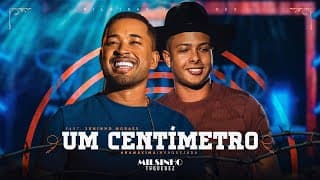
Toque Dez - Um Centímetro Part. @JuninhoMoraesOficial - Na Máxima IN Vaquejada Serrinha/BA
Here is an analysis and explanation of the song "Um Centímetro" by Toque Dez featuring Juninho Moraes, recorded live at the Vaquejada in Serrinha, Bahia. Overall Theme The song explores the theme of "sofrência" (suffering), a staple of Brazilian romantic music. It depicts the fragile emotional state of someone trying to move on from a breakup but who is on the verge of breaking their resolve. The title, "One Centimeter," represents the tiny metaphorical distance between maintaining self-control and giving in to the urge to call an ex-lover. Key Lyrics Analysis * "Falta um centímetro pra eu te ligar" (There’s only one centimeter left for me to call you): This is the core metaphor of the song. It suggests that the singer’s finger is hovering just a tiny distance above the "call" button on his phone, highlighting how close he is to collapsing back into his old feelings. * "O garçom já sabe o que eu bebo" (The waiter already knows what I drink): This line establishes the setting—a bar—and implies that the singer is a "regular" there, drinking away his sorrows. It paints a picture of habitual heartbreak. * "Coração tá pedindo um gole de você" (The heart is asking for a sip of you): Here, the songwriter uses the imagery of alcohol to describe the person he misses. Love is treated as an addiction; he isn't just thirsty for a drink, he is thirsty for the presence of the person who left him. Emotional Tone The tone is melancholic yet rhythmic. It conveys deep longing, vulnerability, and desperation. Despite the sad lyrics, the Arrocha beat (a genre from Bahia) provides a danceable energy that is characteristic of "sofrência"—it is music intended for people to dance to while simultaneously commiserating over their heartbreaks. Cultural Context The recording took place at the Vaquejada de Serrinha, one of the most traditional and largest cultural festivals in the state of Bahia. Vaquejadas are events centered around cattle herding competitions, but they are equally famous for massive concerts. In this rural, "interior" culture of Northeastern Brazil, Arrocha and Piseiro are the dominant genres. The song fits perfectly into the "Barzinho" (little bar) culture, where music, beer, and shared stories of lost love are central to social life. Artist Context Toque Dez, led by vocalist Milsinho, is currently one of the biggest names in the Arrocha genre. Known for their "Na Máxima" live sets, they specialize in high-energy performances that blend romantic lyrics with a sophisticated keyboard-led sound. This collaboration with Juninho Moraes serves to strengthen the "Arrocha" community, as Toque Dez often brings in other rising stars to keep the genre fresh. This song further solidifies their reputation as the "kings of the brokenhearted" in the Northeast music scene.
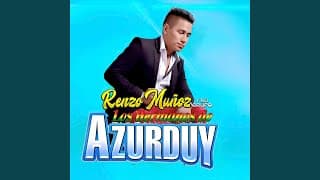
Mi Cobardía
"Mi Cobardía" (My Cowardice) by Renzo Muñoz Y Los Hermanos De Azurduy is a poignant piece of Bolivian folk music that delves into the pain of missed opportunities and the weight of unspoken words. Here is an analysis and explanation of the song: 1. Overall Theme The song explores the theme of romantic regret and self-reproach. It tells the story of a narrator who lost the person he loved not because of a lack of affection, but because he was too afraid to confess his feelings until it was too late. 2. Key Lyrics Analysis * "Por mi cobardía, hoy te veo en otros brazos" (*Because of my cowardice, today I see you in other arms*): This is the central confession of the song. The narrator takes full responsibility for his heartbreak, acknowledging that his inaction led his beloved to find comfort with someone else. * "Si hubiera sabido que me querías..." (*If I had known you loved me...*): This line highlights the tragic irony of the situation. It suggests that the love was mutual, but the lack of communication turned a potential union into a permanent separation. * "Maldigo el silencio que me encadenó" (*I curse the silence that chained me*): The narrator personifies his own silence as a prison. It conveys the feeling of being trapped by one’s own insecurities and the bitterness that comes from realizing that one’s own personality was the biggest obstacle to happiness. 3. Emotional Tone The tone is deeply melancholic and somber. Unlike some breakup songs that express anger toward a partner, this song is directed inward. There is a sense of profound resignation and yearning, emphasized by the traditional acoustic instrumentation which carries a "weeping" quality common in Andean folk music. 4. Cultural Context The song is a Cueca, specifically in the style of the Bolivian highlands (Chuquisaca/Sucre region). * The Cueca: This is a traditional dance and musical rhythm in South America. While the dance often represents courtship, the lyrics frequently deal with loss, distance, and the "saudade" (longing) of the heart. * Azurduy: The group’s name references the Azurduy province in Bolivia, named after the revolutionary heroine Juana Azurduy. This anchors the song in a specific regional identity, where "música de tierra adentro" (music from the heartland) focuses on raw, honest human emotions. 5. Artist Context Renzo Muñoz is a respected figure in Bolivian folk music, known for preserving the elegance of traditional rhythms while infusing them with poetic depth. "Mi Cobardía" stands as one of his most iconic tracks. It exemplifies his role as a "romancero" (balladeer) of the folk world, moving the genre from festive party music into the realm of introspective, emotional storytelling. This song helped solidify his reputation for capturing the "sentimiento boliviano"—a specific brand of bittersweet romanticism.

BOTH SIDES
"BOTH SIDES" is a unit track by Jeno and Jaemin (often referred to by fans as "NoMin") from NCT DREAM’s 4th full album, *DREAMSCAPE*. It serves as a powerful showcase for the group’s primary rap line. Here is an analysis of the song: 1. Overall Theme The song explores the concept of duality and the complexity of human nature. It focuses on the coexistence of opposing forces—such as light and shadow, or the public persona versus the private self—and the necessity of embracing both sides to reach a state of completion or "truth." 2. Key Lyrics Analysis * "Face to face, another me": This line highlights the theme of self-reflection. It suggests a confrontation with an alter-ego or a hidden version of oneself that the world doesn't usually see. * "The boundary between light and darkness": This imagery is central to the song. It suggests that the artists are operating in a "gray area" where they are no longer just the "bright" idols the public perceives, but complex individuals with deeper, darker thoughts. * The contrast in rap styles: While not a specific lyric, the interplay between Jeno’s deep, grounded tone and Jaemin’s sharp, rhythmic delivery reinforces the "Both Sides" theme sonically. They represent two different energies working in tandem. 3. Emotional Tone The song carries an intense, confident, and slightly dark tone. Unlike the bright, "refreshing" sound often associated with NCT DREAM’s early years, "BOTH SIDES" feels sophisticated and edgy. There is an underlying sense of maturity and a "cool" composure that suggests the artists are fully in control of their narrative. 4. Cultural Context In the K-pop industry, the concept of "Duality" is a popular trope—fans often obsess over the difference between an idol’s "cute" off-stage personality and their "charismatic/powerful" on-stage persona. "BOTH SIDES" leans into this cultural phenomenon, turning a fan-favorite observation into a lyrical exploration of identity. It also fits the overarching theme of the *DREAMSCAPE* album, which deals with escaping a manufactured utopia to face the "real" world. 5. Artist Context This track is a milestone for Jeno and Jaemin, who have been a duo since their pre-debut days. While they have shared many rap verses together in group songs, "BOTH SIDES" is a dedicated unit track that cements their identity as the "rap backbone" of NCT DREAM. It demonstrates their growth from the youthful "Go" or "We Go Up" era into mature artists capable of carrying a heavy, hip-hop-centric track on their own.

Pretty Savage
"Pretty Savage" is one of the standout tracks from BLACKPINK’s 2020 debut studio album, *THE ALBUM*. It is a high-energy trap-pop anthem that serves as a definitive statement of the group's identity. 1. Overall Theme The song explores the duality of BLACKPINK’s brand: the contrast between being "Pretty" (feminine, attractive, and polished) and "Savage" (fierce, unapologetic, and powerful). It is a "flex" track where the members dismiss their haters and assert their dominance in the music industry, proving that their beauty does not diminish their strength or talent. 2. Key Lyrics Analysis * "Yeah, we some girls you can't manage": This line highlights their independence and non-conformity. It suggests that they don't fit into the typical "submissive" mold often expected of idols or women in general. * "Born skinny, bitch": Delivered by Lisa, this line is a blunt, confident retort to critics who have commented on her physique over the years. She reclaims the narrative, turning a point of scrutiny into an effortless "flex." * "Umm, look at you, now look at me": A callback to their hit "How You Like That," this line emphasizes the gap between their success and the status of those who criticize them. * "Pretty but savage": This serves as the core thesis. It challenges the stereotype that a woman cannot be both physically appealing and intellectually or professionally intimidating. 3. Emotional Tone The tone is defiant, confident, and nonchalant. The delivery is often "braggadocious," characterized by a "cool girl" attitude that suggests they are entirely unbothered by the noise of their detractors. There is an underlying sense of empowerment intended to make the listener feel just as untouchable. 4. Cultural Context * The "Girl Crush" Concept: In K-pop, the "girl crush" concept refers to female groups that appeal to a female fanbase through themes of empowerment and toughness. "Pretty Savage" is the quintessential modern example of this genre. * Response to "Idol" Standards: K-pop idols are often expected to be perfectly polite and modest. This song breaks that "glass ceiling" by allowing the members to use aggressive language and assertive posturing, which is a significant shift in the cultural landscape of Korean entertainment. 5. Artist Context Within BLACKPINK’s career, "Pretty Savage" solidified their transition from "rising stars" to "global icons." While many of their songs focus on love or heartbreak, this track is purely about their reputation and legacy. It is widely considered by fans and critics as one of their best "B-sides," often outperforming title tracks in terms of cultural impact and live performance popularity (notably their performance on *The Late Late Show with James Corden*).

Make A Wish (Birthday Song)
"Make A Wish (Birthday Song)" is the lead single from NCT’s 2020 large-scale project, *NCT 2020 Resonance Pt. 1*. It features a seven-member lineup: Taeyong, Doyoung, Jaehyun, Lucas, Xiaojun, Jaemin, and Shotaro. 1. Overall Theme The song is a high-energy anthem about confidence, manifestation, and seizing the moment. It uses the metaphor of "making a wish" on a birthday to represent the idea that one has the power to turn their dreams into reality through self-belief and action. 2. Key Lyrics Analysis * "I can do this all day": This recurring hook emphasizes stamina and relentless ambition. It suggests that the group is at the top of their game and won’t stop until they reach their goals. * "Make a wish (Birthday song)": Rather than celebrating a literal birth date, this line invites the listener to envision what they want most. It frames the present moment as a special opportunity where anything is possible. * "Tell me where you wanna go, I’ll take you there": This reflects a sense of leadership and capability. It positions the artist as a guide who can fulfill desires and navigate the path to success. * "It’s more than just a vibe": This highlights that their success isn't just a fleeting trend or "mood," but something substantial and deeply rooted in their talent and hard work. 3. Emotional Tone The tone is audacious, flirtatious, and celebratory. It carries an intense "swagger" driven by a catchy, hip-hop-influenced whistle riff. There is a sense of magnetic charm and coolness that aims to make the listener feel empowered and hyped up. 4. Cultural Context * Middle Eastern Influence: The song’s signature whistle hook and parts of the visual production (music video sets and styling) draw inspiration from Middle Eastern and South Asian aesthetics, specifically the "Genie in a lamp" motif. * Global Strategy: The song was released in both Korean and English versions simultaneously. This was a deliberate move by SM Entertainment to solidify NCT's standing in the Western market, making the lyrics accessible to a worldwide audience. 5. Artist Context "Make A Wish" was a pivotal moment for the NCT brand. It served as the "face" of the *NCT 2020* project, which united all sub-units (127, Dream, and WayV). * Member Highlights: It marked the debut of Japanese member Shotaro, whose dancing skills immediately gained him a massive following. * Sonic Identity: The track reinforced NCT U's reputation for experimental, "Neo" sounds—combining pop sensibilities with heavy hip-hop beats and intricate vocal harmonies (led by Doyoung and Xiaojun).

불장난(Playing With Fire)
"불장난 (Playing With Fire)" is one of BLACKPINK’s most iconic early hits, released in November 2016 as part of their second single album, *Square Two*. It marked a shift toward a more melodic, synth-driven sound while maintaining their signature "girl crush" intensity. ### 1. Overall Theme The song explores the overwhelming and dangerous nature of young love, comparing it to "playing with fire." It depicts the internal conflict of a person who knows a relationship is risky and potentially destructive but finds the attraction too intense to resist. ### 2. Key Lyrics Analysis * "My mom told me every day / To always be careful of guys / Because love is like playing with fire / I’ll get hurt": This opening sets the stage for the song. It uses the trope of maternal advice to highlight the transition from childhood innocence to the rebellious, unpredictable world of adult romance. * "Our love that is like playing with fire" (우리 사랑은 불장난): The central metaphor. In Korean culture, "playing with fire" (불장난) often refers to a dangerous game or a fleeting, risky fling. Here, it signifies a passion that is beautiful to look at but capable of leaving permanent scars. * "My heart is already red": This line emphasizes that the singer is past the point of no return. The color red symbolizes both the literal heat of fire and the metaphorical blood/passion of a heart that is fully committed to the danger. * "I can’t stop this trembling, on and on and on": This reflects the physical anxiety and adrenaline that comes with an uncontrollable crush. ### 3. Emotional Tone The tone is passionate, anxious, and intense. Unlike a standard "happy" love song, "Playing With Fire" carries an underlying sense of dread and urgency. The tropical house beat and the driving piano line create a "burning" sensation that mirrors the feeling of being consumed by an obsession you can't extinguish. ### 4. Cultural Context * The Mother’s Warning: The lyrics reference a common theme in Korean pop music where a mother warns her daughter about "wolves" (men). This creates a narrative of "forbidden fruit," making the romance feel more dramatic and high-stakes. * Idiomatic Meaning: In Korea, "playing with fire" can specifically hint at a reckless or illicit affair. By using this phrase, BLACKPINK frames the romance as something that disrupts the social or personal order, rather than a simple "boy-meets-girl" story. ### 5. Artist Context "Playing With Fire" was a pivotal moment in BLACKPINK’s career. While their debut tracks ("Boombayah" and "Whistle") were high-energy and hip-hop focused, this song proved they could handle a more nuanced, emotional, and melodic pop sound. It solidified their "Black" side (sophisticated and dark) and helped establish them as a group that didn't just sing about being pretty, but about the complexities and dangers of female empowerment and vulnerability.

RESONANCE
RESONANCE by NCT 2020 is a high-energy, experimental "mashup" track that serves as the grand finale for the group’s second large-scale project. It combines four songs from their 2020 albums—"Make A Wish (Birthday Song)," "90’s Love," "Work It," and "Raise The Roof"—into one cohesive anthem. ### 1. Overall Theme The song centers on the concept of synergy and global expansion. It expresses NCT’s ambition to connect with the world through their music, suggesting that when the individual members' "vibrations" align, they create a powerful resonance that can influence the entire world. ### 2. Key Lyrics Analysis * "Raise the roof" / "Resonance": These recurring motifs represent breaking through boundaries. In physics, resonance occurs when an object vibrates at its natural frequency, causing a dramatic increase in amplitude. Here, it symbolizes the 23 members amplifying each other's talent to reach a peak state of power. * "I’m about to raise the glass": This line (from "Make A Wish") is repositioned here to signify a celebration of their collective success and the completion of their massive 2020 journey. * "Energy, it’s flowing, I’m the protagonist": This reflects the group’s "Neo" identity—a confident, futuristic perspective where they take control of their narrative and lead the next generation of K-pop. ### 3. Emotional Tone The tone is anthemic, triumphant, and overwhelming. Because it shifts between hip-hop, electronic dance, and heavy synth-pop, it creates a sense of constant movement and intensity. It feels like a "victory lap," meant to evoke a sense of awe at the scale and versatility of the group. ### 4. Cultural Context The song leans heavily into the SM Culture Universe (SMCU) concept. It utilizes the "NCTmentary" lore, where the members connect through "Dreams" and "Reality." Culturally, it also reflects the global nature of K-pop, featuring lyrics and styles that blend Western 90s hip-hop with futuristic, industrial sounds, performed by a multinational group (Korean, Chinese, Japanese, American, Canadian, Thai). ### 5. Artist Context "RESONANCE" is a milestone in NCT's history because it featured all 23 members who were part of the lineup at the time (including the introduction of members Shotaro and Sungchan). It solidified NCT’s unique "expansion" brand, proving that despite being split into different units (NCT 127, NCT Dream, WayV), they are most formidable as a single, united entity. It marked the transition of NCT from an experimental concept into a dominant global force.