Latest Articles

Interlude: Shadow
Interlude: Shadow is a powerful solo track by SUGA (Min Yoongi) from BTS’s 2020 album, *Map of the Soul: 7*. It serves as a raw exploration of the dark side of fame and the internal conflict of an artist at the peak of global success. ### 1. Overall Theme The song explores the duality of success, focusing on the Jungian concept of the "Shadow"—the hidden, darker parts of one's personality. It illustrates how the higher an individual rises into the light of fame, the larger and more menacing their "shadow" (fears, pressures, and loss of privacy) becomes. ### 2. Key Lyrics Analysis * "I wanna be a rap star / I wanna be the top... I wanna be mine." The song begins with a rhythmic mantra of SUGA’s early ambitions. It reflects the pure hunger he had at the start of his career, which contrasts sharply with the heavy burden he feels now that those dreams have come true. * "The moment I fly high as I wished / My shadow grows larger in that blasting light." This is the core metaphor of the track. SUGA acknowledges that fame is a double-edged sword; the "light" of the spotlight inevitably creates a "shadow" of equal proportion. Success doesn't eliminate fear; it amplifies it. * "Please don’t let me shine / Don’t let me down / Don’t let me fly." This paradoxical plea shows his state of panic. He is afraid of falling (failure), but he is also afraid of flying higher because the pressure is becoming unbearable. He feels trapped by his own achievements. * "I am you, you are me, now do you know?" In the final act of the song, the "Shadow" begins to speak directly to him. This represents the Jungian "Integration of the Shadow," where the artist realizes he cannot run away from his fears or his dark side—they are an inseparable part of who he is. ### 3. Emotional Tone The tone is intense, claustrophobic, and anxious. The song starts with a steady, brooding hip-hop beat that eventually breaks down into a distorted, aggressive rock-inspired outro. This shift mirrors a descent into a panic attack or a mental breakdown, conveying a sense of being overwhelmed by the world’s gaze. ### 4. Cultural Context The song is deeply rooted in Jungian Psychology, which the entire *Map of the Soul* series is based on. In this framework, the "Shadow" represents the unconscious mind—the parts of ourselves we try to hide or deny. Visually, the music video uses the imagery of paparazzi and smartphones as a modern "shadow," representing how the public's constant observation strips the artist of his humanity. ### 5. Artist Context Within BTS’s discography, this song marks a shift from the celebratory "Persona" (represented by RM) to a more introspective and vulnerable phase. For SUGA, it is a full-circle moment. Early in his career, he frequently rapped about his desire for "big houses, big cars, and big rings." In "Shadow," he admits that having attained all of those things, he is now grappling with the psychological toll of being an idol on a global stage.
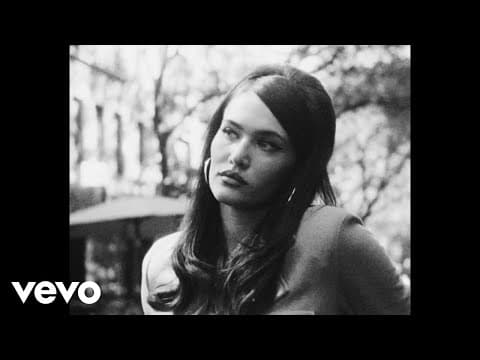
Die On This Hill (NYC Visualizer)
Here is an analysis and explanation of "Die On This Hill" by Sienna Spiro. 1. Overall Theme The song is a powerful anthem of unwavering loyalty and romantic conviction. It explores the idea of being so deeply committed to a person or a relationship that you are willing to accept any outcome—even total heartbreak—rather than give up or choose someone else. 2. Key Lyrics Analysis * "I’ll die on this hill": This uses a common idiom (standing by an opinion regardless of the cost) as a metaphor for love. She is stating that this relationship is the one thing she is willing to sacrifice everything for, even if it eventually fails. * "If I'm wrong, let me be wrong": This line highlights a defiance against outside judgment. She acknowledges that others might see the relationship as a mistake or a "losing battle," but she values her own feelings over external logic. * "I’d rather lose it all than have a piece of something small": This reflects an "all-or-nothing" mentality. She rejects lukewarm or mediocre love, preferring the risk of total loss over a relationship that lacks depth or intensity. * "You're the only one I want to lose to": This is a vulnerable admission that even if the relationship ends in defeat, the experience of loving that specific person was worth the pain. 3. Emotional Tone The song is soulful, defiant, and cinematic. Spiro’s powerhouse vocals convey a sense of "romantic martyrdom"—there is a heavy sadness in the realization that the relationship might be difficult, but it is masked by an overwhelming strength and resolution. It feels both intimate and grand. 4. Cultural Context The "NYC Visualizer" accompanying the song leans into the aesthetic of urban romanticism. New York City often symbolizes a place of "making it or breaking it," which mirrors the song’s theme of high stakes. The use of the "die on this hill" idiom resonates with a generation that values "standing on business" and being unapologetic about one’s personal truths and emotional choices. 5. Artist Context Sienna Spiro is a rising British artist often compared to legendary vocalists like Adele and Amy Winehouse due to her "old-soul" tone. "Die On This Hill" serves as a definitive showcase of her vocal range and her ability to modernize classic soul. This song has been a significant catalyst in her career, helping her build a massive following on social media platforms like TikTok, where her raw, acoustic performances of the track went viral.

TAKEDOWN (JEONGYEON, JIHYO, CHAEYOUNG)
"TAKEDOWN" is a high-energy unit track by Jeongyeon, Jihyo, and Chaeyoung from TWICE’s 14th mini-album, *STRATEGY*. It showcases a grittier, more assertive side of the group. ### 1. Overall Theme The song is a powerful anthem about reclaiming control and dismantling barriers. It centers on the concept of a "takedown"—metaphorically or literally neutralizing an opponent or an outdated system—to assert one’s own dominance and independence. ### 2. Key Lyrics Analysis * "Watch me take it down / I’m the game changer": These lines establish the core message of disruption. Rather than following the rules of the "game" (the industry or a relationship), the trio declares they are rewriting them. * Chaeyoung’s Rap Sections: Her verses often incorporate metaphors of precision and strategy. As the group’s primary creative rapper, her lines emphasize the "calculated" nature of their success, aligning with the album’s title, *STRATEGY*. * Jihyo and Jeongyeon’s Power Vocals: The lyrics delivered in the pre-chorus and chorus focus on intensity and "breaking through." The repetition of the word "Takedown" serves as a bold command, signaling a shift from a defensive posture to an offensive one. ### 3. Emotional Tone The tone is fierce, gritty, and rebellious. Unlike TWICE’s earlier "color-pop" or bright tracks, "TAKEDOWN" carries a sense of dark confidence. It feels intense and adrenaline-fueled, blending the energy of an action movie sequence with the swagger of rock-influenced pop. ### 4. Cultural Context * The "Girl Crush" Evolution: The song fits into the modern K-pop "Girl Crush" trajectory, which has moved away from mere aesthetics toward themes of genuine agency and power. * The "Strategy" Concept: Released as part of the *STRATEGY* album, the song reflects a cultural fascination with tactical brilliance (like chess or heist films), framing the artists as masterminds rather than just performers. ### 5. Artist Context * The "Power Trio" Unit: This specific unit highlights TWICE’s strongest vocalists (Jihyo and Jeongyeon) alongside their most experimental rapper (Chaeyoung). It allows them to explore a heavier, more mature sound that might not fit the full 9-member group’s upbeat title tracks. * Longevity and Maturity: Now in their tenth year, "TAKEDOWN" represents TWICE’s continued evolution. It shows their ability to pivot from the "Nation’s Girl Group" into a more sophisticated, global act that isn't afraid to sound aggressive or "edgy." * Unit Exploration: This follows the success of other sub-units (like MISAMO), proving that TWICE's individual members have distinct musical identities that contribute to the group's overall versatility.

Folded
"Folded" is a standout track from Kehlani’s 2024 album *Crash*. Here is an analysis and explanation of the song: 1. Overall Theme "Folded" explores the feeling of complete surrender and vulnerability within a romantic and physical connection. The song describes the experience of being so overwhelmed by a partner’s presence and touch that one’s usual defenses and self-control "fold" or collapse in the best way possible. 2. Key Lyrics Analysis * "You got me folded like a letter / Put me in a place where I can't move": The central metaphor of being "folded like a letter" suggests intimacy and secrecy. Just as a letter contains private thoughts and is tucked away, Kehlani is expressing a sense of being molded and "put away" by their partner, highlighting a total lack of resistance. * "I’m a little bit reckless, I’m a little bit too much": Kehlani often writes about their intense personality. Here, they acknowledge their own complexity, but imply that this specific partner is the only one capable of grounding them or making them succumb. * "I'm leaning, I'm leaning, I'm leaning": This repetition mimics the sensation of losing balance or being intoxicated by desire. It emphasizes the physical sensation of "falling" for someone to the point of losing one’s center of gravity. 3. Emotional Tone The song carries a sensual, hazy, and intoxicated tone. It feels heavy and atmospheric, mirroring the sensation of being physically and emotionally weighed down by passion. There is a sense of relief in the vulnerability—a feeling of "letting go" after trying to be strong or independent. 4. Cultural Context In urban slang, to be "folded" often means to be defeated or to "clout out" (pass out). Kehlani repurposes this term within a romantic R&B context, turning the idea of "defeat" into a positive form of emotional and sexual submission. Additionally, as an openly queer artist, Kehlani continues to contribute to the "Queer R&B" canon, documenting female-centered desire with a raw, authentic perspective that was historically underrepresented in the genre. 5. Artist Context "Folded" appears on the album *Crash*, which marks a more experimental and high-energy era for Kehlani compared to the soft, acoustic-leaning vibes of their previous album, *Blue Water Road*. While much of *Crash* is loud and chaotic, "Folded" serves as a bridge back to Kehlani’s R&B roots. It demonstrates their growth in vocal arrangement and their ability to blend traditional slow-jam elements with modern, psychedelic production. It reinforces Kehlani’s reputation as a songwriter who is unafraid to be "messy" and deeply human in their portrayal of love.
![Bruno Mars - I Just Might [Official Music Video]](/_next/image?url=https%3A%2F%2Fimg.youtube.com%2Fvi%2FmrV8kK5t0V8%2Fmqdefault.jpg&w=3840&q=75)
Bruno Mars - I Just Might [Official Music Video]
It is important to clarify that "I Just Might" is not an official release by Bruno Mars. It is a viral AI-generated song (or an unofficial fan-made leak) that has gained millions of views on platforms like YouTube and TikTok. It uses artificial intelligence to mimic Bruno Mars’s signature vocal style and production. Despite being unofficial, here is an analysis of why the song has resonated with listeners: 1. Overall Theme The song centers on romantic hesitation and lingering temptation. It portrays a narrator who is on the verge of reaching out to a former lover or giving in to a new romantic impulse, capturing that specific moment of indecision where one is "just one drink away" from making a move. 2. Key Lyrics Analysis * "I just might call you up tonight...": This line is the core of the song. It emphasizes the "what if" scenario. It represents the internal battle between the logical mind (which knows they should stay away) and the emotional heart (which craves connection). * "Blame it on the liquor/Blame it on the moon...": These lyrics are classic tropes of the R&B genre, providing the narrator with an "excuse" for their vulnerability. It suggests that the desire isn’t necessarily rational, but rather fueled by the atmosphere of the night. * "I’m one step away from falling...": This highlights the fragility of the narrator’s self-control, a common theme in soulful ballads. 3. Emotional Tone The tone is smooth, nostalgic, and vulnerable. Because the AI is modeled after Bruno Mars’s earlier work (circa *Unorthodox Jukebox*), it carries a "retro-soul" feel. It feels intimate—like a late-night confession—balancing the sadness of loneliness with the warmth of a smooth groove. 4. Cultural Context This song is a prime example of the AI Music Revolution in the 2020s. * AI Artistry: Fans have used AI technology to create "the song they wish Bruno would release," filling the gap during his long breaks between solo albums. * Misinformation: Because the AI is so convincing, the "Official Music Video" titles on YouTube are often clickbait, leading many casual listeners to believe it is a genuine new single. 5. Artist Context While not a real Bruno Mars song, it fits perfectly into the "Soulful Crooner" persona he established with hits like "When I Was Your Man" or "Versace on the Floor." * Stylistic Match: The song mimics his use of 80s-inspired synths, high-tenor vocal runs, and a "motown-meets-modern-pop" production style. * Expectation: The viral success of this AI track shows that the public is hungry for Bruno Mars’s solo return, as his recent work has been focused on his collaboration project, *Silk Sonic*. Summary: "I Just Might" is a digital "mirage"—a song that doesn't officially exist but captures the essence of Bruno Mars's appeal so perfectly that it has become a hit in its own right through the power of AI.