Latest Articles

Song Of Liberty (Original Album Version)
"Song of Liberty" by François Marius is a powerful anthem that blends Caribbean rhythms with a poignant message of social justice. Below is an analysis of the track: 1. Overall Theme The song is a universal call for freedom and human rights, specifically addressing the historical and systemic oppression faced by people of African and Caribbean descent. It serves as both a lamentation for past suffering and a defiant demand for a future where all people can live without "chains," whether physical, economic, or psychological. 2. Key Lyrics Analysis * "Tell me why, tell me why we are living in a world of chain?": This recurring question serves as the philosophical heart of the song. It challenges the listener to confront the reality of modern inequality and the lingering effects of historical bondage. * "Song of liberty, song of freedom": The repetitive use of these keywords transforms the track into a mantra. By calling it a "song," Marius emphasizes that music is a tool for liberation and a way to keep the spirit of resistance alive. * "We want to be free, we want to be loved": These lines humanize the political struggle. Marius argues that liberty is not just a legal status, but a fundamental human need tied to dignity and love. 3. Emotional Tone The tone is resolute and anthemic. While the lyrics acknowledge pain and injustice, the music—driven by a steady, uplifting rhythm—prevents the song from feeling defeated. There is a sense of defiant hope and solemnity, creating a space where the listener feels both the weight of history and the energy of a movement. 4. Cultural Context As an artist deeply rooted in the French Antilles (Martinique/Guadeloupe), François Marius writes from the perspective of the post-colonial Caribbean. The "chains" mentioned are a direct reference to the history of the transatlantic slave trade and the subsequent struggles for autonomy in the region. The song aligns with the Pan-African movement and the tradition of "conscious" music (similar to Reggae’s influence) that seeks to educate and empower the African diaspora through song. 5. Artist Context François Marius is known for his contributions to Zouk and Afro-Caribbean music. While much of the genre is associated with festive, danceable "party" music, "Song of Liberty" showcases Marius's depth as a socially conscious songwriter. It stands out in his discography as a signature track that bridged the gap between the dance floor and political activism, proving that Caribbean music could be a powerful medium for global human rights messages.
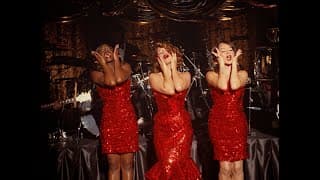
RAYE - WHERE IS MY HUSBAND! (Official Music Video)
"WHERE IS MY HUSBAND!" by RAYE is a theatrical, high-energy jazz piece that began as a viral improvised moment during her live shows and was eventually released as a standalone track and video due to popular demand. ### 1. Overall Theme The song is a satirical and exaggerated commentary on the societal pressure to find a life partner and the exhaustion of modern dating. RAYE portrays a "character" on the verge of a comedic breakdown, turning the search for a husband into a frantic, theatrical quest. ### 2. Key Lyrics Analysis * "Where is my husband? Does anyone know where he is?": The central hook uses repetition to mimic the obsessive nature of searching for "the one." It frames the missing partner as if he is an object she has simply misplaced, highlighting the absurdity of the expectation. * "I am looking for a man who is going to love me, and cherish me, and take care of me": These lines contrast traditional, romantic ideals with the chaotic, jazzy production, suggesting a gap between what society tells women they should want and the messy reality of finding it. * The Scatting and Improvisation: Much of the song relies on RAYE’s vocal gymnastics and "scatting." This choice reflects a loss of words and a sense of "unhinged" energy, suggesting that the dating world has driven her to a point of joyful madness. ### 3. Emotional Tone The tone is chaotic, campy, and humorous. It balances a genuine sense of loneliness with a self-aware "unhinged" energy. While the lyrics sound desperate, the powerhouse vocal delivery and big-band arrangement make the song feel like an empowering, comedic performance rather than a sad plea. ### 4. Cultural Context * Viral TikTok Culture: The song’s popularity was driven by TikTok, where the "Where is my husband?" audio became a meme for single people expressing their frustration with dating apps and unsuccessful relationships. * Modern Dating Fatigue: It taps into the "burnout" felt by Millennials and Gen Z regarding the difficulty of finding long-term commitment in a "hookup culture" era. * Cabaret Influence: The song draws heavily from 1920s-1950s jazz and cabaret traditions, where female performers would often use humor and theatricality to discuss their woes with men. ### 5. Artist Context This track showcases RAYE’s newfound creative freedom after becoming an independent artist. Following the massive success of her album *My 21st Century Blues*, this song highlights her versatility—proving she is just as comfortable performing improvisational jazz and musical theater as she is making global dance-pop hits. It solidifies her reputation as a world-class vocalist who doesn't take herself too seriously.
Harry Styles - Aperture (Official Video)
It is important to clarify first that "Aperture" is not an official song by Harry Styles. It is an AI-generated or fan-made track that has circulated on YouTube and TikTok, often uploaded by accounts mimicking official channels (like "HarryStylesVEVO"). Despite being fan-made, the song has gained millions of views because it perfectly mimics Styles' signature sound. Here is an analysis based on the viral AI-generated version: ### 1. Overall Theme The song centers on the theme of perspective and the distortion of memory. Using the metaphor of a camera lens (an aperture), it explores the idea of trying to "focus" on a past relationship or a fleeting moment that is beginning to blur as time passes. ### 2. Key Lyrics Analysis Since the song is AI-generated, the lyrics are designed to mimic Harry’s actual songwriting style: * *"Focusing the lens but the light's too bright"*: This suggests a struggle to see the truth in a situation because the emotions involved are overwhelming or "blinding." * *"Adjusting the aperture, trying to find you in the frame"*: This represents the act of looking back through memories and trying to isolate a specific person or feeling that is being lost to the "background noise" of life. * *References to "Gold" or "Sunlight"*: Similar to songs like *Golden* or *Daylight*, the lyrics use light as a symbol for both beauty and the pain of something that is out of reach. ### 3. Emotional Tone The tone is melancholic, cinematic, and ethereal. It carries a "dream-pop" vibe similar to the tracks on his 2019 album *Fine Line*. There is a sense of longing and a "sweet-sad" nostalgia that characterizes much of Harry Styles’ discography, making the AI imitation very convincing to listeners. ### 4. Cultural Context This song is a significant example of the AI Music Revolution in the 2020s. Fans use sophisticated AI models (like RVC) to train a computer on Harry’s vocal range, rasp, and breathing patterns. It highlights a shift in fan culture where, during an artist's hiatus, the community "creates" their own content to fill the void, blurring the lines between real and synthetic art. ### 5. Artist Context Within the context of Harry Styles’ real career, "Aperture" fits into the "missing link" between his second album, *Fine Line*, and his third, *Harry’s House*. * Why it works: Fans gravitated toward this fake track because it captures the "70s rock-meets-modern-indie" aesthetic Harry is known for. * The Hiatus: Because Harry Styles has been largely out of the spotlight since finishing his "Love On Tour" in 2023, these AI tracks serve as a way for the fandom to express a collective desire for new music. *Note: To find Harry Styles’ actual music, look for his verified discography, which includes the albums "Harry Styles," "Fine Line," and "Harry’s House."*
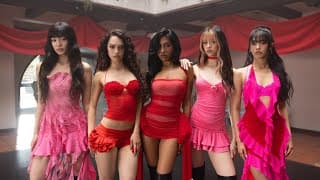
“Gabriela” Performance Video | KATSEYE
The song "Gabriela" by KATSEYE is a standout track from their debut EP, *SIS (Soft Is Strong)*. Unlike their high-energy pop singles, this song serves as a dedicated tribute to their fans and a reflection on their journey. ### 1. Overall Theme "Gabriela" is a heartfelt "thank you" letter and a symbol of gratitude toward the group’s supporters (the "Eyekons"). It explores the themes of perseverance, the emotional toll of pursuing a dream, and the vital role that external encouragement plays in overcoming self-doubt. ### 2. Key Lyrics Analysis * "Gabriela, I hope you know that you saved me": This line is literal and symbolic. While "Gabriela" refers to a specific real-life fan, she represents the entire fandom. The lyric suggests that the fans' belief in the girls was what kept them from giving up during the grueling "Dream Academy" selection process. * "I was drowning in the static, you were the only sound": This metaphor highlights the noise and pressure of the music industry and survival shows. Amidst the competition and criticism, the positive connection with fans provided the clarity and focus needed to succeed. * "Soft is strong, just like you told me": This references the group's debut EP title. It redefines strength not as aggression, but as the vulnerability required to share one's story and connect with others. ### 3. Emotional Tone The tone is vulnerable, sincere, and nostalgic. The performance video emphasizes raw vocal delivery over complex choreography, creating an intimate atmosphere. There is a sense of relief and bittersweet reflection—acknowledging the "dark days" of their trainee period while celebrating their current success. ### 4. Cultural Context The song is deeply rooted in the "survival show" culture of the K-pop industry (specifically *The Debut: Dream Academy*). In this culture, the bond between the "idols" and the "voters" is incredibly intense. By naming the song after a real fan—Gabriela from Brazil, who was a prominent supporter during their formation—KATSEYE bridges the gap between the global stage and the individual listener, a hallmark of modern fan engagement. ### 5. Artist Context Within KATSEYE’s discography, "Gabriela" serves as the emotional anchor. While "Touch" and "Debut" showcase their "Global Pop Girl Group" power and commercial appeal, "Gabriela" proves their vocal versatility and humanizes them. It reinforces their "Soft Is Strong" concept, proving that their identity is built as much on emotional connection as it is on polished performances.
Morgan Wallen - What I Want (feat. Tate McRae) (Lyric Video)
Based on the lyrics and the presentation of "What I Want" (an unreleased/leaked track that has gained massive popularity on social media), here is an analysis of the song. 1. Overall Theme The song explores the "toxic cycle" of a relationship that is emotionally damaging but physically or nostalgically irresistible. It focuses on the internal conflict between logic and desire—knowing that a person is "bad" for you but choosing to pursue them anyway because the chemistry is too strong to ignore. 2. Key Lyrics Analysis * "I know you’re poison, but I’m thirsty anyway": This line serves as the central metaphor for the song. It characterizes the love interest as something lethal or destructive, yet the narrator's "thirst" (desire) outweighs their instinct for self-preservation. * "Everything I need is everything I’m leavin' behind": This highlights the tragedy of the situation. The narrator is aware of what a healthy life looks like (what they "need"), but they are willing to abandon it for the temporary high of "what they want." * The Duet Structure (Morgan and Tate): By having both artists trade verses, the song suggests that this isn't a one-sided pursuit. Both individuals are equally addicted to the chaos, making the cycle harder to break because neither party is willing to be the "grown-up" and walk away. 3. Emotional Tone The tone is melancholic, conflicted, and addictive. There is a sense of "3:00 AM desperation" in the vocals. While the beat often has a rhythmic, mid-tempo pop-country drive, the underlying mood is one of resignation—as if both singers have accepted that they are going to make a mistake before they even make it. 4. Cultural Context The song is a prime example of the "Country-Pop Crossover" era. By featuring Tate McRae, a major pop star known for "sad girl" dance-pop, the track moves away from traditional country tropes (trucks, farming) and moves toward universal themes of urban loneliness and modern "situationships." It also reflects "Leak Culture"; the song became a viral hit on TikTok and YouTube via unofficial uploads before any formal radio promotion, showing how fans now dictate which songs become hits. 5. Artist Context * Morgan Wallen: This song fits perfectly into Wallen’s "lovable outlaw" persona—a man who struggles with his demons, heartbreak, and impulse control. It follows the sonic blueprint of his record-breaking album *One Thing At A Time*, blending trap-inspired drums with country storytelling. * Tate McRae: For McRae, this collaboration signals her versatility and her ability to bring a "pop edge" to the Nashville scene, similar to her work with other crossover artists. * Career Impact: This track solidifies Wallen’s status as a global artist who is no longer confined to the "Country" genre tag, proving he can compete directly with Top 40 pop stars on their own turf.
Justin Bieber - DAISIES (Audio)
It is important to clarify a key detail first: "DAISIES" is not an official song released by Justin Bieber. The audio titled "Justin Bieber - DAISIES" circulating on YouTube and social media is an AI-generated cover (using an artificial intelligence model of Bieber’s voice) or a fan-made upload of Katy Perry’s 2020 hit "Daisies." Because this version has gone viral, here is an analysis based on the content of that specific track as performed by the Bieber AI: --- ### 1. Overall Theme The song is a powerful anthem about resilience, individuality, and perseverance. It tells the story of someone who remains committed to their dreams and "wild" ideas even when others criticize them or tell them they will fail. ### 2. Key Lyrics Analysis * "They told me I was out of my mind / They tried to build a wall then I climbed it." * These opening lines set the stage for the conflict between the narrator and society. It illustrates the struggle of being misunderstood and the determination to overcome obstacles (the "wall") put up by skeptics. * "Took the sticks and the stones and I built a castle." * A play on the common idiom "sticks and stones may break my bones." Instead of letting insults hurt him, the narrator uses that negative energy as building blocks for his own success and protection. * "I'm gonna tell them that I told them so / Over my dead body will I let this go." * This highlights a defiant sense of self-belief. It’s about the ultimate vindication of proving the doubters wrong through sheer stubbornness and hard work. ### 3. Emotional Tone The emotional tone is empowering, defiant, and triumphant. While the verses carry a slight sense of vulnerability—acknowledging the hurt caused by others' words—the chorus explodes with a "victory" energy that feels uplifting and cinematic. ### 4. Cultural Context * The Rise of AI Music: This specific "song" is a prime example of the 2023–2024 trend where AI models are used to "cover" songs by other artists. Fans often create these to hear what a collaboration or a specific genre shift (like Bieber singing a Perry pop anthem) would sound like. * Original Meaning: In Katy Perry’s original context, the song was a comeback track about her own career struggles and her journey to motherhood, encouraging people to stay true to their "crazy" dreams. ### 5. Artist Context In the context of Justin Bieber’s real career, this "song" fits into his established brand of vulnerability and growth. * Throughout his career (from *Purpose* to *Justice*), Bieber has often dealt with public scrutiny and the theme of rising above his mistakes. * Even though he didn't write "Daisies," the reason the AI cover feels "real" to listeners is that the message aligns perfectly with his real-life narrative of overcoming intense global fame and personal struggles to find peace and success. *Note: If you are looking for Justin Bieber's actual official music, his most recent major projects include the album "Justice" (2021) and singles like "Stay" or "Ghost."*
Lady Gaga - Abracadabra (Official Music Video)
It is important to clarify that Lady Gaga has not officially released a song or music video titled "Abracadabra." The title "Abracadabra" has been widely circulated online as a fan-made rumor, an AI-generated track, or a placeholder title for her seventh studio album (LG7). However, Lady Gaga’s actual lead single for this era, released in late October 2024, is titled "Disease." If you are referring to the official video recently released on the LadyGagaVEVO channel, the song is "Disease." Here is an analysis of that track: ### 1. Overall Theme "Disease" explores the dark duality of human nature, specifically the intersection of pain, obsession, and healing. The song serves as a psychological exploration of being both the "sickness" and the "cure" within a relationship or within one's own mind. ### 2. Key Lyrics Analysis * "I could play the doctor / I can cure your disease": These lines establish a power dynamic where the narrator claims total control over someone else's suffering. It suggests a "Florence Nightingale effect" twisted into a dark pop anthem. * "You're so sick, you're so sick / I’m the remedy": Here, Gaga leans into medical metaphors to describe a toxic or intense attraction, framing love as a biological necessity or an emergency. * "I’ll be your medicine": This reflects a recurring theme in Gaga’s work where she positions herself as a savior or a maternal, healing figure for those who feel broken. ### 3. Emotional Tone The song carries a dark, aggressive, and industrial tone. Unlike the bright dance-pop of *Chromatica*, "Disease" is gritty and claustrophobic. It conveys a sense of urgency and mania, blending 90s-style industrial beats with high-octane pop vocals. ### 4. Cultural Context * The Return to "Dark Pop": Fans have long requested a return to the "Dark Pop" aesthetic of *The Fame Monster* and *Born This Way*. "Disease" acts as a cultural response to this, embracing the "High-Fashion Horror" aesthetic that Gaga pioneered in the late 2000s. * Medical Metaphors in Art: The use of illness and healing is a common trope in dark romanticism, which Gaga uses here to comment on modern mental health and the intensity of digital-age relationships. ### 5. Artist Context "Disease" marks the beginning of the LG7 era. After the jazz-focused *Harlequin* (the companion album to *Joker: Folie à Deux*) and the ballad "Die With A Smile," this song marks her return to the electronic/dance mainstream. It serves to bridge the gap between her avant-garde artistic side and her status as a global pop powerhouse, reclaiming her title as the "Mother Monster." * Note on "Abracadabra" Rumors: If you saw a video titled "Abracadabra" on YouTube, it was likely an AI-generated song or a "leak" uploaded by a fan account designed to look like the official VEVO channel. These tracks often use AI to mimic Gaga’s voice and the 1982 Steve Miller Band hit "Abracadabra" to capitalize on the hype for her new album.

Benson Boone - Mystical Magical (Official Lyric Video)
"Mystical Magical" is a standout track from Benson Boone’s 2024 debut studio album, *Fireworks & Rollerblades*. Here is an analysis of the song: 1. Overall Theme The song explores the intoxicating, surreal feeling of falling in love and the inexplicable "spark" between two people. It uses the metaphor of magic and the supernatural to describe a romantic connection that feels too perfect to be grounded in reality. 2. Key Lyrics Analysis * "You’re a mystical, magical thing / That I can’t explain": These lines establish the core premise—that the person he is with defies logic. He isn't trying to analyze the relationship; he is simply surrendering to the wonder of it. * "I don’t need a rabbit in a hat / When I got a girl like that": Boone uses classic stage-magic imagery to show that real-life love is more impressive than any planned illusion. He is suggesting that her presence alone provides all the "wonder" he needs. * "If I could fly / I’d take you to the moon": This uses traditional romantic hyperbole. It reinforces the "supernatural" theme, implying that the love he feels gives him a sense of weightlessness or power beyond human capability. 3. Emotional Tone The tone is euphoric, whimsical, and high-energy. Unlike some of Boone’s more melancholic hits, this song captures the "honeymoon phase" of a relationship. It feels like a celebration, characterized by a sense of awe and pure, unadulterated joy. 4. Cultural Context The song leans into the retro-pop and pop-rock revival currently popular in the 2020s. By using magic as a metaphor, Boone taps into a long-standing songwriting tradition (similar to "Magic" by B.o.B or "You Can Do Magic" by America), but updates it with modern, powerhouse vocals and polished production that appeals to a Gen Z audience. 5. Artist Context "Mystical Magical" showcases Benson Boone’s versatility. While he rose to fame primarily through high-stakes, emotional piano ballads like "Ghost Town" and "Beautiful Things," this track proves he can handle up-tempo, feel-good pop-rock. It serves as a lighthearted balance to the heavier themes on his debut album, *Fireworks & Rollerblades*, establishing him as a multi-dimensional pop star rather than just a "sad song" artist.

Tate McRae - TIT FOR TAT (Lyric Video)
"TIT FOR TAT" is a high-energy pop track by Tate McRae that explores the dark side of a deteriorating relationship. Following the success of her hits like "greedy" and "exes," this song leans further into her "villain era" persona. Here is an analysis and explanation of the track: ### 1. Overall Theme The song centers on the concept of reciprocal toxicity. It describes a relationship that has devolved into a game of emotional revenge, where the narrator decides to stop being the "bigger person" and starts mirroring her partner's bad behavior. It is about the transition from being a victim to becoming an active participant in a "tit for tat" cycle of manipulation. ### 2. Key Lyrics Analysis * "I didn't used to be this way, I learned it all from you." * This line highlights the theme of "learned toxicity." It suggests that the narrator’s current coldness or manipulative behavior isn't her natural state, but a survival mechanism she adopted after being mistreated by her partner. * "You did it first, so I did it worse." * This encapsulates the "eye for an eye" mentality of the song. It shows a refusal to take the moral high ground, opting instead for escalation to ensure she isn't the one left feeling powerless. * "Now we’re both the villain in the story." * McRae acknowledges the loss of innocence here. She realizes that by playing her partner's game, she has lost her "good girl" status, and there are no longer any heroes left in the relationship—only two people hurting each other. ### 3. Emotional Tone The tone is defiant, cynical, and gritty. While the beat is driving and danceable, the lyrics convey a sense of resentment and coldness. Unlike her earlier "sad girl" ballads, there is no plea for change or apology; instead, there is a hardened acceptance that the relationship is a battlefield. ### 4. Cultural Context The song taps into the "Villain Era" trend popular among Gen Z, which encourages people (especially women) to stop people-pleasing and prioritize their own power or satisfaction, even if it makes them the "bad guy." The title itself refers to the social and game-theory strategy where an action is met with an equivalent (often negative) reaction. ### 5. Artist Context "TIT FOR TAT" marks a significant step in Tate McRae's evolution from a teen contemporary dancer and ballad singer into a global pop powerhouse. It fits perfectly into her recent sonic branding—heavy bass lines, Y2K-inspired aesthetics, and choreography-heavy performances. It serves as a bridge in her discography, moving away from the heartbreak of her debut toward a more assertive, edgy, and complex exploration of modern power dynamics in her third studio album era.
sombr - Homewrecker (official video)
Analysis of "Homewrecker" by sombr: 1. Overall Theme The song explores the guilt, self-loathing, and complicated desire involved in being the "third party" in a relationship. It portrays a narrative where the narrator acknowledges their role in destroying someone else’s stability, blending the lines between being a villain and a victim of their own emotions. 2. Key Lyrics Analysis * "I’m a homewrecker, I’m a mess": This is a direct confession of identity. Instead of denying the label, sombr embraces it as a form of self-punishment, suggesting that his self-worth is tied to the damage he causes. * "Call me when you’re alone": This line highlights the secrecy and the "backdoor" nature of the relationship. It emphasizes that the connection only exists in the shadows, far away from the partner who is actually being betrayed. * "I didn’t mean to fall in love": This serves as the emotional "defense" for the narrator's actions. It frames the destructive behavior not as malice, but as an accidental, uncontrollable consequence of genuine feelings. 3. Emotional Tone The tone is melancholic, raw, and atmospheric. The song carries a heavy sense of resignation. It isn't an angry or aggressive track; rather, it feels like a quiet, late-night confession. There is a palpable sense of "delicious misery"—a romanticization of sadness that is common in modern alternative-pop. 4. Cultural Context "Homewrecker" fits firmly within the "Sad Boy" / Bedroom Pop movement of the 2020s. Culturally, it reflects the modern "situationship" era, where traditional relationship boundaries are often blurred. The song resonates with a Gen Z audience that values radical emotional honesty and the exploration of "taboo" or "toxic" relationship dynamics through a lens of vulnerability rather than judgment. 5. Artist Context Sombr (Shane Sommerville) built his following through viral lo-fi tracks like "Caroline." "Homewrecker" represents a growth in his production value, moving toward a more polished alternative-rock sound while maintaining the intimate, "recorded in a bedroom" feel that defines his brand. It solidifies his position as a go-to artist for heartbreak anthems, showing his ability to write from the perspective of the person who isn't necessarily the "hero" of the story.
Ella Langley - Choosin' Texas (Official Lyric Video)
"Choosin' Texas" by Ella Langley is a modern country anthem that explores the tug-of-war between romantic love and the call of one’s roots. It serves as a "breakup song" where the "other woman" isn't a person, but a place. ### 1. Overall Theme The song centers on the difficult decision to leave a stable relationship to return to one's home state. It frames Texas not just as a location, but as an essential part of the narrator's identity that she cannot ignore, even for love. ### 2. Key Lyrics Analysis * "I ain't choosin' another man / I'm just choosin' Texas." This is the core hook of the song. It clarifies that the breakup isn't due to a lack of affection or infidelity; rather, it is an issue of soul-level compatibility with her environment. * "It’s a lonesome dove kind of goodbye." A direct nod to Larry McMurtry’s classic Western novel/miniseries *Lonesome Dove*. This suggests a rugged, cinematic, and perhaps inevitable departure, evoking the spirit of the Old West. * "I need a sky that’s a little bit wider / And a neon light that’s a little bit brighter." These lines contrast the narrator's current life with the "larger-than-life" mythos of Texas. It conveys a sense of restlessness and the need for the specific atmosphere (the "Texas sky" and the honky-tonk culture) that she can't find elsewhere. ### 3. Emotional Tone The tone is bittersweet and resolute. While there is a palpable sadness in leaving a partner who hasn't necessarily done anything wrong, there is also a sense of empowerment. Langley’s delivery is gritty and unapologetic, capturing the "wild heart" archetype of someone who chooses independence and heritage over settling down in the wrong place. ### 4. Cultural Context Texas holds a unique, almost religious status in country music (often referred to as the "Texas Country" or "Red Dirt" scene). In this subgenre, the state is frequently personified as a character or a sanctuary. By using references like Fort Worth, bluebonnets, and the "yellow rose," Langley taps into deep-seated Southern pride and the cultural idea that Texas is a "homeland" that eventually calls its people back. ### 5. Artist Context Ella Langley has built a reputation for being a "tough-talking" female voice in modern country, blending rock influences with traditional themes. "Choosin' Texas" (from her debut album *hungover*) reinforces her persona as an independent woman who isn't afraid to walk away from a "good" thing to stay true to herself. It aligns her with the "outlaw country" tradition where freedom and the road are prioritized over domestic stability.

Sabrina Carpenter - Manchild (Official Video)
Released as part of her 2016 sophomore album *Evolution*, "Manchild" is a bold pop anthem that serves as a direct critique of emotional immaturity in relationships. ### 1. Overall Theme The song centers on the frustration of dating someone who is chronologically an adult but emotionally a child. Sabrina Carpenter uses the track to set firm boundaries, making it clear that she is looking for an equal partner rather than a project to "raise" or babysit. ### 2. Key Lyrics Analysis * "I’m not your mother, I’m not your sister / You don’t get to treat me like a babysitter." * These lines address the "emotional labor" often expected of women. Sabrina rejects the role of caretaker, asserting that she will not take responsibility for his lack of growth or basic life skills. * "Talking like you’re twenty-five, but you’re only five." * This hyperbolic comparison highlights the gap between the persona the man tries to project (an adult) and his actual behavior (a toddler). * "You’re just a manchild, you’re a little boy." * By using the term "manchild," she strips away his power. It is a direct insult aimed at his ego, emphasizing that his behavior is unimpressive and unattractive. ### 3. Emotional Tone The tone is sassy, dismissive, and self-assured. There is no heartbreak in this song; instead, it is fueled by a sense of "I’m over it." It conveys the confidence of a young woman who knows her worth and is too busy for someone who hasn't reached her level of maturity. ### 4. Cultural Context The "Manchild" or "Peter Pan Syndrome" is a common trope in modern dating culture, referring to men who refuse to take on adult responsibilities. The song fits into the mid-2010s wave of "Girl Power" pop, where young female artists were encouraged to speak up against toxic or unequal relationship dynamics rather than playing the victim. ### 5. Artist Context "Manchild" was a pivotal track in Sabrina Carpenter’s transition from a Disney Channel star (*Girl Meets World*) to a serious pop artist. It showcased a sharper, more cynical wit than her debut album, *Eyes Wide Open*. This "sassy" songwriting style laid the groundwork for her future hits (like "Feather" or "Nonsense"), proving early on that she could blend humor with empowerment.