Latest Articles

Comando Estelar🚀 - Germanini -Jhonalex & Lyon la F (Video Oficial)
"Comando Estelar🚀" by Germanini, Jhonalex, and Lyon la F is a high-energy urban track that blends elements of Reggaeton and Mambo (specifically the high-tempo "Mambo Urbano" style). Here is an analysis of the song: ### 1. Overall Theme The song is a celebratory anthem focused on status, dominance, and the "arrival" of the artists at the top of their game. Using the metaphor of a "Stellar Command," the artists portray themselves as an elite force that has surpassed their competition and achieved a level of success that is "out of this world." ### 2. Key Lyrics Analysis * "Llegó el comando estelar" (The stellar command has arrived): This recurring line serves as a proclamation of power. It suggests that the group is not just a musical act but a coordinated unit (a "comando") that commands respect and attention. * "Andamos en la movie" (We are living in a movie): This is a common phrase in Latin urban music meaning their lives are filled with luxury, action, and fame, much like a high-budget film. * "Subiendo como un cohete" (Rising like a rocket): This reinforces the "stellar" theme, symbolizing a rapid and unstoppable ascent to fame. It implies that while others are on the ground, they are already in the stratosphere. * References to "La Grasa" and "El Brillo": These are slang terms for having style, money, and "swag." The lyrics emphasize that they possess the material wealth (jewelry, cars) to back up their claims of being at the top. ### 3. Emotional Tone The tone is hyper-confident, boastful (braggadocio), and euphoric. The fast-paced rhythm is designed to be infectious and high-energy, evoking a sense of victory. There is no room for doubt in the delivery; the artists sound like they are celebrating a long-awaited triumph over those who doubted them. ### 4. Cultural Context * Mambo Urbano/Merengue Influence: The song heavily utilizes the "mambo" beat—a fast, brass-heavy, and percussion-driven rhythm popularized in the Dominican Republic and later adapted by urban artists in Colombia and Puerto Rico. This style is often associated with "street parties" and high-octane club environments. * The "Comando" Aesthetic: In Latin American urban culture, groups of friends or collaborators often refer to themselves as a "comando" or "coro," emphasizing brotherhood and loyalty in a competitive industry. ### 5. Artist Context For Germanini, this collaboration serves as a strategic "power move." By teaming up with Jhonalex and Lyon la F, he positions himself within a collective "movement" rather than as a solo act. This type of track is common for rising urban artists who want to demonstrate their ability to lead a high-energy anthem and solidify their presence in the commercial "party" scene of the genre. It reflects a shift in his career toward a more polished, high-production sound meant for mainstream radio and clubs.
BAD BUNNY - BAILE INoLVIDABLE (Video Oficial) | DeBÍ TiRAR MáS FOToS
"BAILE INoLVIDABLE" (Unforgettable Dance) is a standout track from Bad Bunny’s 2023 album, *nadie sabe lo que va a pasar mañana*. The song combines a club-ready House beat with a reflective narrative about living in the moment. Here is an analysis of the song: 1. Overall Theme The song explores the tension between experiencing a perfect moment and the modern urge to document it for social media. It tells the story of an intense, magnetic encounter at a party where the connection was so strong that the narrator "forgot" to take photos, leading to a sense of nostalgic regret mixed with the satisfaction of true presence. 2. Key Lyrics Analysis * "Debería haber tirado más fotos, pero estaba disfrutando el momento" (*I should have taken more photos, but I was enjoying the moment*): This is the thesis of the song (and the reason for the video's subtitle). It highlights the irony of modern life: the better the time you are having, the less "proof" you usually have of it because you are too engaged to pick up your phone. * "Tú ere' un baile inolvidable" (*You are an unforgettable dance*): Bad Bunny personifies the person he met as the dance itself. It suggests that the person isn't just a partner, but a fleeting, beautiful experience that can't be recreated. * "No somos nada, pero a veces somos todo" (*We are nothing, but sometimes we are everything*): This reflects the "situationship" or casual nature of modern romance, where two people might not have a formal title, but for one night, they are the center of each other's universe. 3. Emotional Tone The song carries a bittersweet euphoria. The upbeat, Jersey Club/House production makes it feel energetic and danceable, evoking the atmosphere of a high-end nightclub. However, Bad Bunny’s vocal delivery and the lyrics introduce a layer of nostalgia and longing, as he looks back on a night that has already ended. 4. Cultural Context The song acts as a commentary on digital culture. In an era where "if you didn't post it, it didn't happen," Bad Bunny argues that the most authentic experiences are the ones that remain undocumented. It also taps into the "Latin House" trend, where Latin urban artists are increasingly blending Reggaeton sensibilities with electronic dance music (EDM) to cater to global club circuits. 5. Artist Context "BAILE INoLVIDABLE" fits into a specific era of Bad Bunny's career where he is intentionally defiant toward his fans' expectations. While the album *nadie sabe lo que va a pasar mañana* was marketed as a return to his Trap roots, songs like this show his evolution into a global pop star who can master House music. It also aligns with his personal brand of valuing privacy; he has frequently spoken out against the intrusive nature of cell phone culture, making this song a thematic extension of his real-life philosophy.
Katteyes, SINAKA - ALO (Video Oficial)
"ALO" by Katteyes (featuring SINAKA) is a quintessential modern Latin urban track that blends reggaeton rhythms with a narrative of female empowerment and emotional independence. Here is an analysis of the song: ### 1. Overall Theme The song centers on the theme of reclaiming power after a breakup. It depicts a woman who has moved on, "leveled up," and is now completely indifferent to an ex-lover who is trying to reappear in her life now that she is successful and confident. ### 2. Key Lyrics Analysis * "¿Aló? ¿Quién habla? / No tengo tu número guardado" (Hello? Who’s speaking? / I don't have your number saved): This opening serves as a "power move." By claiming she doesn't recognize the number, she signals that the ex is no longer a priority and has been erased from her digital and emotional life. * "Ahora que me ves brillando, quieres volver" (Now that you see me shining, you want to come back): This highlights a common trope in urban music—the "glow up." The lyrics suggest the ex only values her now that she is thriving, exposing his superficiality. * "No soy la misma de antes, ahora soy la jefa" (I’m not the same as before, now I’m the boss): This line emphasizes her evolution from a vulnerable partner to a woman in control of her own destiny and career. ### 3. Emotional Tone The tone is defiant, cold, and self-assured. There is no sadness or longing in the track; instead, it conveys a sense of victory. The delivery is rhythmic and assertive, meant to make the listener feel empowered and "untouchable." ### 4. Cultural Context The song is situated within the Chilean Urban Movement (often referred to as *reggaeton chileno* or *generación urbana*). * The "Phone Call" Trope: Using a phone conversation as a song intro is a classic staple in reggaeton (similar to hits like "6 AM" or "Te Boté"), used to ground the song in a real-life relatable situation. * Empowerment: It follows the global trend of "Bichota" energy (popularized by Karol G), where female artists in the genre move away from being the "object of desire" to being the "protagonist of the story." ### 5. Artist Context For Katteyes, "ALO" serves as a definitive statement of her artistic identity. Having gained significant attention through social media and her presence in the urban scene, this song reinforces her transition into a serious musical act. It establishes her as a "femme fatale" of the Chilean scene—someone who can deliver catchy, club-ready hits while maintaining a strong, independent persona. It is a key track in building her catalog as a solo artist capable of carrying a heavy urban beat.
JERE KLEIN & JAIRO VERA - DUBAI (VIDEO OFICIAL) I JEREMIAS
"DUBAI" by Jere Klein and Jairo Vera is a standout track in the Chilean urban scene. Here is an analysis of the song: 1. Overall Theme The song is a modern reggaeton anthem centered on intense romantic attraction, luxury, and the desire to provide a partner with an extravagant lifestyle. It revolves around the promise of taking a love interest away from their everyday reality to a world of high-end fashion and international travel (symbolized by Dubai). 2. Key Lyrics Analysis * *"Te quiero llevar pa' Dubai / Que los envidiosos nos miren de lejos"* (I want to take you to Dubai / Let the haters watch us from afar): The central hook uses Dubai as a metaphor for the ultimate status symbol. It represents "making it" and escaping the judgment of others. * *"Tú ere' mi diabla, yo soy tu demonio"* (You are my she-devil, I am your demon): This is a common trope in urban music signifying a deep, perhaps "sinful" or rebellious, chemistry between two people who are perfectly matched in their wild nature. * *"Esa cintura a mí me tiene mal"* (That waist has me doing bad): This highlights the physical obsession and the "urban romantic" style where the artist expresses vulnerability through their desire for the other person. * *"La combi completa, Versace, lo' lente'"* (The full outfit, Versace, the glasses): These lines emphasize the "glow-up" culture, where wearing designer brands is a sign of success and confidence. 3. Emotional Tone The tone is seductive, confident, and celebratory. While the lyrics deal with lust and material wealth, there is an underlying sense of triumph. It conveys the energy of a late-night club track—fast-paced and rhythmic—but Jairo Vera’s melodic style adds a layer of "urban romanticism" that makes it feel more personal than a standard club song. 4. Cultural Context The song is a prime example of the "Chilean Urban Movement" (El Género Urbano Chileno), which has dominated charts in Latin America recently. * Aspirations: In Chilean street culture, "Dubai" is often used in lyrics to represent the pinnacle of success for someone coming from a humble neighborhood (*la población*). * The "Mambo" Influence: While this track is reggaeton, it carries the distinctive flow and slang unique to Santiago’s urban scene, blending melodic singing with aggressive street bars. 5. Artist Context For Jere Klein, this song represents his transition from a viral teenage sensation to a polished international artist. At a very young age, he became the most-streamed artist in Chile, and "DUBAI" helped solidify his partnership with Jairo Vera, another titan of the Chilean scene. The collaboration showcases the synergy between the two: Jere Klein provides the rhythmic, gritty "street" edge, while Jairo Vera provides the smooth, melodic hooks that make the song radio-friendly.
Resenha Na Laje
"Resenha Na Laje" by DJGILCASTRO is a quintessential Brazilian Funk track that celebrates the vibrant social life found in the country's urban peripheries (*favelas* or *quebradas*). Here is an analysis of the song: 1. Overall Theme The song centers on the "resenha"—a colloquial Brazilian term for a casual social gathering, hang-out, or party. Specifically, it celebrates a party held on a *laje* (the concrete rooftop of a house), focusing on themes of community, leisure, and the joy of simple pleasures like music, cold drinks, and good company. 2. Key Lyrics Analysis * "Resenha na Laje": The title itself is the core concept. In Brazilian favela culture, the *laje* is a multipurpose space used for drying clothes, but more importantly, it serves as a social hub for barbecues and sunbathing when space is limited. * "Churrasco, cerveja e som alto" (BBQ, beer, and loud music): These lyrics outline the "holy trinity" of a successful Brazilian gathering. It emphasizes a sensory experience that is loud, flavorful, and communal. * "Deixa os problema lá embaixo" (Leave the problems downstairs): This reflects the escapist nature of the song. The rooftop acts as a literal and metaphorical elevation above the daily struggles and economic hardships of life in the city. * Focus on Rhythm over Poetry: Like many of DJGILCASTRO’s tracks, the lyrics are repetitive and rhythmic. The words serve as "commands" for the listener to dance and get into the "vibe," prioritizing the beat over complex storytelling. 3. Emotional Tone The tone is vibrant, celebratory, and unpretentious. It conveys a sense of "freedom within the community." There is no sense of melancholy; instead, it projects high-energy "alegria" (joy) and a relaxed, "de boa" (chill) attitude that is contagious to the listener. 4. Cultural Context * The "Laje" Culture: For many in the Brazilian outskirts, the rooftop is a status symbol of leisure. A "resenha na laje" is a democratic form of partying where everyone contributes (BYOB style) and the music is shared with the entire neighborhood. * Eletrofunk / Funk Carioca: The song utilizes the heavy basslines and "MPC" drum samples typical of contemporary Brazilian Funk. This genre is the heartbeat of the youth in the peripheries and serves as a powerful tool for cultural identity. 5. Artist Context DJGILCASTRO is a producer known for his work in the Eletrofunk and Paredão scenes (parties involving massive walls of speakers). "Resenha Na Laje" fits perfectly into his discography as a "party starter." In his career, he focuses on creating tracks that are optimized for car audio systems and outdoor events, helping to soundtrack the very "resenhas" he describes in his lyrics. This song reinforces his role as a curator of the "fluxo" (street party) lifestyle.
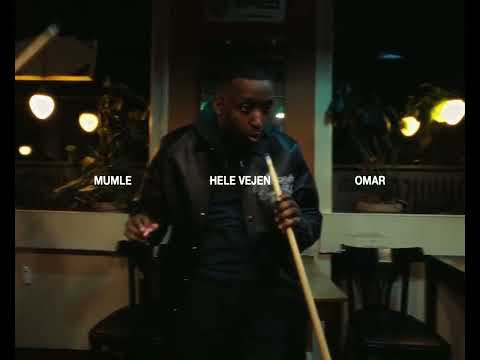
Hele Vejen (feat. Mumle)
"Hele Vejen" (meaning "All the Way") is a collaborative track by the Danish artist Omar featuring the rising pop singer Mumle. It has become a significant hit in Denmark, blending melodic rap with contemporary pop. Here is an analysis of the song: 1. Overall Theme The song is a romantic duet centered on the themes of loyalty, deep commitment, and the desire for a long-term partnership. It explores the idea of finding "the one" and promising to stay by their side through life's journey, regardless of the obstacles they may face. 2. Key Lyrics Analysis * "Jeg vil gå hele vejen med dig" (I want to go all the way with you): This is the central hook of the song. It serves as a literal promise of longevity, moving past superficial dating into a serious, "ride-or-die" relationship. * "Du ser mig for den, jeg er" (You see me for who I am): This line highlights the vulnerability in the song. It suggests that the protagonist feels misunderstood by the world but found a safe haven in their partner who sees their true self. * The interplay between Omar and Mumle: The lyrics are structured as a conversation. While Omar’s verses often focus on providing security and looking toward the future, Mumle’s parts emphasize the emotional connection and the feeling of finally being "home" with someone. 3. Emotional Tone The tone is sincere, warm, and optimistic. Unlike many urban tracks that focus on heartbreak or fleeting encounters, "Hele Vejen" feels grounded and hopeful. There is a sense of "urban romanticism"—it feels modern and "cool" but remains deeply sentimental and soft at its core. 4. Cultural Context The song fits into a prominent trend in the Danish music scene where melodic rappers (like Omar, Gilli, or Branco) collaborate with female pop vocalists to create "radio-ready" love songs. This genre-blending allows the song to appeal to both the hip-hop community and mainstream pop audiences. It reflects a shift in Danish urban music toward more emotional vulnerability and "soft" masculinity. 5. Artist Context * Omar: Originally known for more traditional street-rap and rhythmic tracks, Omar has evolved into a more melodic artist. "Hele Vejen" showcases his ability to handle "love rap," solidifying his place as a versatile artist who can dominate the charts. * Mumle: A rising star in the Danish pop scene, Mumle is known for her distinct, airy vocals and relatable lyrics. This collaboration was a "power move" that combined Omar's established street credibility with Mumle’s fresh, viral pop appeal, helping the song become a massive streaming success in Denmark.
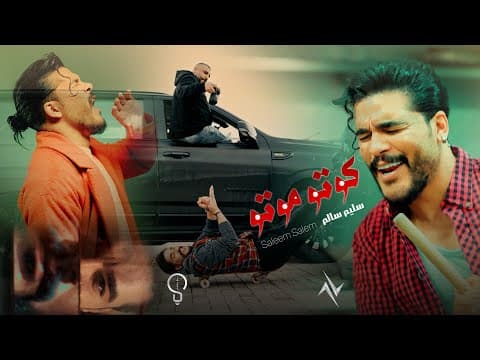
كوتو موتو
"Koto Moto" (كوتو موتو) by Salim Salem is a viral Iraqi pop song that captures the lighthearted, playful side of modern Arabic music. Here is an analysis of the track: 1. Overall Theme The song is a lighthearted and upbeat celebration of infatuation and "cuteness." It revolves around the singer pampering his partner, using "baby talk" and endearing terms to describe his affection and the joy his loved one brings him. 2. Key Lyrics Analysis * The Title "Koto Moto": This is a playful, nonsensical phrase used in many Arab dialects to describe something small, cute, or precious (often used when talking to children or pets). In this song, it serves as a "pet name" for his lover, signaling a relationship full of "Dala'a" (pampering/spoiling). * "Habibi el Helou" (My sweet beloved): The lyrics lean heavily on traditional "Ghazal" (flirtatious poetry) but updated for a modern audience. The singer focuses on the physical charm and the delightful personality of his partner. * Repetitive Hooks: Like many modern Iraqi hits, the lyrics are intentionally repetitive. This is designed to make the song catchy and "earworm" material, focusing more on the vibe and rhythm than on deep, metaphorical storytelling. 3. Emotional Tone The tone is cheerful, energetic, and flirtatious. It is a "feel-good" track devoid of the melancholy or "heaviness" often found in traditional Iraqi Maqams. It conveys a sense of innocence and pure fun, making it a popular choice for celebrations and dance floors. 4. Cultural Context * Social Media Influence: "Koto Moto" was produced during the era of TikTok and Instagram Reels. Its fast tempo and "cute" lyrical hook were specifically crafted to go viral as background music for short videos. * Modern Iraqi Pop: The song represents the "Iraqi Pop" or "Shababi" genre, which blends traditional Iraqi rhythmic structures (like the *Hacha* or *Chobi* influences) with modern electronic beats and synthesizer arrangements. * Nostalgia: The phrase "Koto Moto" actually has roots in older Egyptian pop culture (notably a song by the comedy trio *Tholathy Adwa'a El Masrah*), but Salim Salem repurposes it here into a modern Iraqi context. 5. Artist Context Salim Salem is a prominent figure in the contemporary Iraqi music scene, known for his ability to produce massive commercial hits. He specializes in songs that are rhythmic, easy to memorize, and highly danceable. "Koto Moto" fits perfectly into his discography as a "trend-setter" song, following the success of his other tracks like "Agaz" and "Dakeit," cementing his reputation as a master of modern, viral Iraqi pop.

Amaya, The LIC - El Chele - La Muda - La Tortuga || PONETE CANDELA (Video Oficial) Feat. Wiluka
"Ponete Candela" is a high-energy urban track by Amaya, The LIC featuring Wiluka. It is a quintessential party anthem that blends modern urban rhythms with traditional Central American celebratory sounds. Here is an analysis of the song: 1. Overall Theme The song is a high-octane dance track designed for street parties, carnivals, and nightclubs. Its primary theme is collective celebration, urging listeners to "ignite" their energy and lose themselves in the rhythm of the music. 2. Key Lyrics Analysis * "Ponete Candela": The title and central hook literally translate to "Put fire on yourself." Figuratively, it means "get hyped," "get hot," or "bring the energy." It acts as a command for the audience to start dancing intensely. * "El Chele - La Muda - La Tortuga": These are nicknames (The Fair-Skinned One, The Mute Woman, The Turtle). By calling out these specific characters, the song creates a sense of community. It suggests that the party is for everyone—regardless of their physical traits or quirks—bringing the neighborhood together. * "Mueve la cintura" (Move your waist): A common trope in Central American and Caribbean music, this emphasizes the physical, rhythmic nature of the song, specifically pointing toward the *Punta* or *Soca* dance style where hip movement is central. 3. Emotional Tone The tone is frenetic, joyous, and aggressive. It is not "aggressive" in a violent sense, but rather in its sonic intensity. The fast-paced beat and the shouting vocal delivery are intended to create an "adrenaline rush" for the listener, making it impossible to stay still. 4. Cultural Context The song is deeply rooted in Central American urban culture, particularly from Honduras or Nicaragua. * Rhythm: The beat borrows heavily from Punta, a traditional dance and music style of the Garifuna people, modernized with electronic "dembow" elements. * Vernacular: The use of nicknames like "El Chele" is a very common social practice in Latin American "barrios," where people are often known by their physical descriptions rather than their given names. This gives the song a "grassroots" or "street" authenticity. 5. Artist Context Amaya, The LIC (often referring to himself as "El Licenciado" or The Lawyer) occupies a specific niche in the music industry known as "Música Parrandera" or urban folk. His role is that of a "hype man" and entertainer for the masses. This song fits perfectly into his discography as a "utility track"—a song specifically made to be played at maximum volume during *fiestas patronales* (patron saint festivals) and carnivals, solidifying his reputation as an artist of the people.
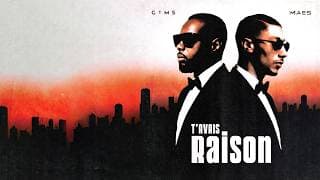
GIMS (ft. @Maesofficiel) - T'AVAIS RAISON (Official Lyrics Video)
"T'AVAIS RAISON" (You Were Right) is a collaborative track between French superstar GIMS and the rapper Maes. It blends melodic rap with introspective storytelling. ### 1. Overall Theme The song centers on themes of betrayal, disillusionment with fame, and the realization that past warnings were true. GIMS and Maes reflect on how success has changed their surroundings, admitting that a parental or mentor figure was correct about the duplicity of people and the loneliness that comes with the "top." ### 2. Key Lyrics Analysis * "T'avais raison, c'est moi qui avais tort" (You were right, it was me who was wrong): This recurring hook is an admission of humility. It suggests that the artists ignored advice (likely from a mother or a wise elder) about who to trust, and they are now paying the price of that arrogance. * "Le succès m'a éloigné de mes proches" (Success distanced me from my loved ones): GIMS touches on a common theme in his work—the "gold cage." He highlights how money and fame act as a barrier, making it difficult to maintain genuine relationships. * "J'ai vu des amis devenir des ennemis pour une poignée d'euros" (I saw friends become enemies for a handful of euros): This line, typical of Maes's gritty style, emphasizes the theme of betrayal. It points to the fragility of loyalty when financial interests are involved. * "On a grandi dans le noir, on voulait voir la lumière" (We grew up in the dark, we wanted to see the light): This refers to their humble beginnings and the drive to escape poverty, while implying that the "light" (fame) wasn't as perfect as they imagined. ### 3. Emotional Tone The tone is melancholic and resigned. While the production has a rhythmic drive, the vocal delivery conveys a sense of weariness. There is a "bittersweet" quality to the track—they have achieved everything they wanted (wealth and status), yet there is a lingering sadness over the loss of innocence and trust. ### 4. Cultural Context In French urban culture, the concept of the "envieux" (the envious ones) or the "evil eye" is a frequent lyrical trope. This song taps into the reality of the French music industry, where artists often face intense scrutiny and "le revers de la médaille" (the flip side of the coin). The collaboration between GIMS (representing the pop-rap establishment) and Maes (representing the "street" and trap scene) bridges two generations of French urban music, showing that both face the same internal struggles regardless of their specific genre. ### 5. Artist Context For GIMS, this song fits into his later-career evolution where he balances high-energy "club" hits with more mature, reflective ballads. It echoes the vulnerability seen in his documentary and earlier hits like "J'me tire." For Maes, it continues his streak of successful "melodic-street" collaborations, proving his ability to adapt his raw style to GIMS's more polished, operatic pop-rap aesthetic. It serves as a bridge between GIMS’s Congolese-influenced rumba roots and modern French trap.
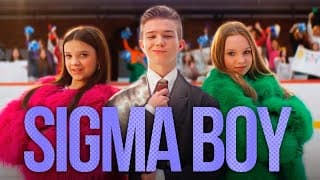
Betsy, Мария Янковская – Sigma Boy (Official Music Video)
"Sigma Boy" by Betsy (Бэтси Girl) and Maria Yankovskaya is a viral pop track that capitalizes on modern internet subcultures and meme aesthetics. Here is an analysis of the song: Overall Theme The song is a lighthearted, repetitive pop anthem centered on the "Sigma" meme popular among Gen Alpha and Gen Z. It describes a young girl’s fascination with a "Sigma Boy"—an idealized, cool, and stoic male figure who remains aloof and independent. Key Lyrics Analysis * "Сигма-сигма-сигма-бой" (Sigma-sigma-sigma boy): This is the central hook of the song. It uses the "Sigma" label, which in internet culture refers to a "lone wolf" who is successful but doesn't follow social norms. In the context of the song, it simply means a "cool, top-tier boy." * "Он не смотрит на меня" (He doesn't look at me): This highlights the "Sigma" trait of being unbothered by female attention or social validation. It portrays the boy as mysterious and hard to get, which adds to his "cool" factor. * "Самый крутой, он мой герой" (The coolest, he is my hero): The lyrics simplify the complex internet meme into a traditional "crush" narrative, where the singer expresses admiration for someone who stands out from the crowd. Emotional Tone The tone is energetic, upbeat, and playful. It is designed to be an "earworm" with a simple, driving beat. While the "Sigma" meme often has darker or more satirical roots, this song sanitizes the concept, turning it into an innocent, brightly colored "Kids’ Pop" track intended for dancing and social media challenges. Cultural Context The song is a product of social media algorithm culture (specifically YouTube Shorts, TikTok, and Likee). It draws heavily on the "Sigma Male" meme, which often features the "Sigma Face" (a squinted, puckered expression associated with Christian Bale’s character in *American Psycho*). By the time this song was released, the "Sigma" term had shifted from a niche personality archetype to a widespread joke/status symbol among elementary and middle-school-aged children in the Russian-speaking segment of the internet. Artist Context Betsy (Бэтси Girl) is a young Russian influencer and singer who caters specifically to the "Gen Alpha" demographic. This song represents a significant milestone in her career, as it successfully converted a viral internet trend into a commercial hit. The collaboration with Maria Yankovskaya helped boost the production value, making it a staple in "brainrot" humor and children's digital content circles.

Franglish ft. @Keblackofficiel - Génération Impolie (Clip Officiel)
"Génération Impolie" (Impolite Generation) is a standout collaboration between French urban pop stars Franglish and KeBlack. The song serves as a rhythmic critique of modern social dynamics and the superficiality of the digital age. Here is an analysis of the track: ### 1. Overall Theme The song explores the "impolite" nature of the current generation, specifically focusing on the lack of values, the obsession with social media appearances, and the breakdown of authentic human connections. It critiques how people prioritize "clout," filters, and digital validation over respect and genuine character. ### 2. Key Lyrics Analysis * "C’est la génération impolie" (It’s the impolite generation): This recurring hook sets the foundation for the song. It suggests that common courtesy and traditional manners have been replaced by arrogance and self-centeredness. * "Elle met des filtres pour cacher ses soucis" (She puts on filters to hide her worries): This line highlights the mask people wear on social media. It’s not just about physical beauty filters, but the psychological "filtering" of one’s life to appear perfect while struggling internally. * "Tu fais la star sur Insta, mais en vrai t'as rien" (You act like a star on Instagram, but in reality, you have nothing): A direct jab at the "fake it 'til you make it" culture. The artists point out the disconnect between a person’s digital persona (luxury, fame) and their actual financial or moral standing. * "Ça parle mal, ça n’a plus de valeurs" (They talk trash, they have no more values): This refers to the toxicity of online comments and the disappearance of "code" or honor in modern social interactions. ### 3. Emotional Tone The song carries a cynical yet rhythmic tone. While the lyrics are judgmental and somewhat weary of society, the production is upbeat and danceable (typical of the Afro-pop/French Urban style). This creates a contrast: it is a "party song" that simultaneously insults the very lifestyle often celebrated in clubs and on social media. ### 4. Cultural Context * Social Media Influence: The song reflects a global trend where young people's self-worth is tied to platforms like TikTok and Instagram. In the French "Banlieue" (suburban) culture, there is a specific emphasis on "le regard des autres" (the gaze of others), which Franglish is critiquing here. * Congolese Influence: Both Franglish and KeBlack have Congolese roots. You can hear this in the rhythmic "Sapologie" influence—a culture that prizes style and appearance—though here they are warning against the shallow side of that vanity. ### 5. Artist Context For Franglish, this song solidifies his transition from a pure "RnB Lover" persona to a more observant, versatile artist. Known for his "Vibe" (blending French and English), he uses this track to show he can tackle social themes without losing his commercial appeal. The collaboration with KeBlack is significant because both artists were pioneers of the "Afro-Urban" sound in France. Their chemistry provides a bridge between melodic pop and street-smart commentary, making the message accessible to the very "generation" they are describing.

R2 - Ruinart
"Ruinart" by the French artist R2 is a quintessential example of modern French melodic rap, blending atmospheric production with street-focused lyricism. Here is an analysis and explanation of the song: ### 1. Overall Theme The song centers on the transition from a life of struggle and "the shadows" to a life of luxury and recognition. It uses Ruinart (one of the world's oldest and most prestigious champagne houses) as a primary metaphor for success, representing the rewards of hard work and the desire to leave the difficulties of the streets behind. ### 2. Key Lyrics Analysis * "On boit du Ruinart, on sort du brouillard" (*We drink Ruinart, we emerge from the fog*): This is the core thesis of the song. The "fog" represents the confusion, poverty, and lack of direction in the housing projects (*la cité*), while the champagne represents the clarity and prestige of making it out. * References to "la zone" vs. luxury brands: R2 constantly contrasts his gritty background with high-end markers of wealth. This juxtaposition highlights the "nouveau riche" experience common in rap, where the artist remains loyal to their roots while enjoying their new status. * Themes of Betrayal: Like many of his contemporaries, R2 touches on how success changes people’s perceptions, noting that as he rises, he must be wary of "snakes" or fake friends who only appear when the expensive bottles are opened. ### 3. Emotional Tone The song carries a nocturnal, melancholic, yet triumphant tone. The production often features "cloud rap" elements—ethereal synths and heavy bass—which create a sense of longing. While the lyrics celebrate success, there is an underlying bitterness or coldness, suggesting that the journey to the top was lonely and difficult. ### 4. Cultural Context * The Symbolism of Ruinart: In French urban culture, Ruinart is more than just a drink; it is a specific symbol of "classy" success. Unlike more "flashy" brands like Moët or Cristal, Ruinart is often seen as a choice for those who have "arrived" and have refined tastes. * French Drill/Melodic Wave: R2 fits into the current French music landscape where the line between hard-hitting drill and melodic pop is blurred. The song reflects the French youth's obsession with luxury aesthetics (*le luxe*) as a form of social rebellion. ### 5. Artist Context R2 is part of a rising generation of French rappers who prioritize vibe and atmosphere over complex wordplay. "Ruinart" serves as a foundational track for his persona—positioning him as an artist who is grounded in the reality of the streets but has his eyes set on the highest levels of French society. It helped establish his "brand" as a melodic storyteller of the nighttime urban experience.