Latest Articles
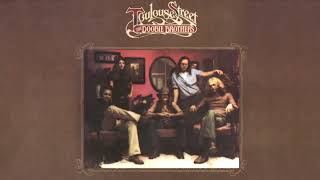
The Doobie Brothers - Listen To The Music (Official Audio)
"Listen to the Music," released in 1972, is one of the most recognizable anthems of the classic rock era. Written by Tom Johnston, it serves as a quintessential "feel-good" song with a deeper message of social harmony. Here is an analysis of the track: 1. Overall Theme The song is a utopian call for world peace and unity through the universal language of music. It suggests that if people would stop their bickering and political posturing to focus on a shared rhythm, the world’s problems could be solved—or at least temporarily forgotten. 2. Key Lyrics Analysis * "What the people need is a way to make 'em smile / It ain't so hard to do if you know how.": These opening lines establish the song’s mission. It frames happiness as something accessible and simple, positioning music as the primary tool for emotional healing. * "Like a lazy river flowing / Let it take you where it will.": This imagery evokes a sense of surrender. Johnston is encouraging the listener to stop trying to control everything and instead let the melody guide their spirit. * "Whoa-oh, listen to the music": The chorus is simple and repetitive by design. It acts as an invitation for the listener to stop thinking and start "feeling," reinforcing the idea that music is a physical and spiritual experience rather than an intellectual one. * "Well I know, you know better everything I say / Meet me in the middle of the day.": This suggests a call for compromise. Instead of staying entrenched in opposing viewpoints, Johnston invites everyone to find a "middle ground" through a shared communal experience. 3. Emotional Tone The tone is optimistic, breezy, and infectious. Driven by a "chugging" acoustic guitar rhythm and lush vocal harmonies, the song feels like a warm summer day. It manages to be both laid-back and high-energy, leaving the listener feeling uplifted and liberated. 4. Cultural Context Released during the tail end of the Vietnam War and a period of intense domestic divide in the U.S., the song reflects the lingering idealism of the 1960s "Peace and Love" movement. It represents hippie escapism—the idea that society can be "fixed" if everyone simply chooses joy over conflict. The use of the banjo in the bridge also nods to the era's trend of blending rock with Americana and folk roots. 5. Artist Context "Listen to the Music" was the Doobie Brothers' first major hit and the song that put them on the map. It defined the "Tom Johnston era" of the band, characterized by driving acoustic rhythms and soulful, bluesy vocals. While the band would later transition into a more "sophisticated" blue-eyed soul sound under Michael McDonald in the late 70s, this track remains the definitive example of their early California rock roots.

Bad Bunny - Tití Me Preguntó (Video Oficial) | Un Verano Sin Ti
"Tití Me Preguntó" is one of the standout tracks from Bad Bunny’s 2022 album *Un Verano Sin Ti*. It became a global phenomenon, blending infectious Dominican Dembow rhythms with a narrative about the pressures of family and the complexities of modern dating. Overall Theme The song centers on the recurring question from the narrator’s aunt ("Tití") about his love life and how many "girlfriends" he has. It explores the lifestyle of a bachelor who enjoys casual flings and avoids commitment, while subtly hinting at the emotional emptiness or past heartbreak that prevents him from settling down. Key Lyrics Analysis * "Tití me preguntó si tengo mucha' novia'" (Auntie asked me if I have many girlfriends): This opening line sets the stage for a common experience in Latin American families, where relatives are often nosy about one's romantic status. * "Hoy tengo a una, mañana otra... pero no hay boda" (Today I have one, tomorrow another... but there’s no wedding): Here, Bad Bunny embraces the "picaflor" (playboy) persona. He admits to having many partners but makes it clear that he has no intention of getting married or committing. * "Yo quisiera enamorarme, pero no puedo" (I would like to fall in love, but I can't): During the song’s mid-point "beat switch," the tone turns more introspective. He admits that his lifestyle isn't necessarily a choice he's proud of, but rather a psychological barrier—he feels incapable of being vulnerable again. Emotional Tone The song is a paradox. On the surface, it is high-energy, festive, and chaotic, perfectly suited for clubs and parties due to its fast-paced Dembow beat. However, there is an underlying tone of irony and hidden vulnerability. He masks his inability to form deep connections with a "party animal" persona, making the song feel both celebratory and slightly melancholic during its slower bridge. Cultural Context * The "Tití" Figure: In Latino culture, the "Tití" (aunt) represents the extended family’s involvement in a young person’s private life. * Dominican Dembow: While Bad Bunny is Puerto Rican, this song is a tribute to the Dominican Republic. It utilizes the specific rhythmic patterns, slang, and energy of Dominican Dembow, featuring a guest shout-out to the DR at the end. * Machismo Subversion: Bad Bunny often plays with traditional masculine tropes. He presents the "player" lifestyle but admits it stems from being "a professional at being hurt," breaking the "tough guy" facade. Artist Context "Tití Me Preguntó" solidified Bad Bunny’s status as a global superstar who could dominate the charts while staying deeply rooted in Caribbean sounds. It was a key driver in making *Un Verano Sin Ti* the first Spanish-language album to be nominated for Album of the Year at the Grammys. It showcases his evolution from a pure Trap artist to a versatile musician capable of blending humor, cultural commentary, and various Latin genres.

GARAM CINA FUNKY
"GARAM CINA FUNKY" by RETROHAND RMX99 is a prominent example of the Indonesian "Breakbeat" or "Funkot" (Funky Kota) subgenre. This style of music is heavily played in the Indonesian clubbing scene and by modified car enthusiasts. Here is an analysis of the song: 1. Overall Theme The song is a high-octane electronic dance track designed primarily for "dugem" (Indonesian nightlife) and "Jedag Jedug" video edits. Its central theme revolves around the hedonistic lifestyle of the underground party scene, using street slang to describe the sensory experience of clubbing and chemical stimulants. 2. Key Lyrics Analysis * "Garam Cina" (Chinese Salt): This is the most critical part of the title and lyrics. In Indonesian street slang, "Garam Cina" is a euphemism for crystal methamphetamine (shabu). The song uses this term to appeal to an "underground" or edgy aesthetic common in specific nightlife circles. * "Funky": In the Indonesian context, "Funky" refers to Funkot, a genre characterized by high BPM (usually 160–180), heavy basslines, and cowbell-heavy percussion. It signifies a call to dance and lose control. * Repetitive Rhythmic Chants: Like most tracks in this genre, the lyrics are secondary to the beat. The repetitive nature of the vocals is intended to act as a rhythmic instrument, inducing a trance-like state for the listener. 3. Emotional Tone The emotional tone is frenetic, aggressive, and high-energy. It conveys a sense of wild abandonment and adrenaline. There is no room for melancholy; the track is relentless, aiming to keep the listener’s heart rate high and their movement constant. 4. Cultural Context * Funkot/Breakbeat Culture: This music originated in the "Kota" district of Jakarta. It is the "sound of the streets" in Indonesia, often associated with *angkot* (public transport) drivers, truck drivers, and local village parties (*hajatan*). * The Slang: Using "Garam Cina" reflects a specific subculture where drug-related slang is used to signify "hardcore" partying. It follows a trend in Indonesian remixes where titles are chosen based on viral street terms to gain traction on platforms like TikTok. * TikTok/Jedag Jedug: The song is structured perfectly for "Jedag Jedug," a style of short-form video editing where the visuals flash or zoom in sync with the heavy bass kicks. 5. Artist Context RETROHAND RMX99 is part of a large community of independent Indonesian producers and "remixers" who operate primarily on YouTube and SoundCloud. Their career is built on creating "DJ Remix" versions of popular sounds. This song fits into their discography as a "club banger" designed to go viral within the local dance music ecosystem rather than the mainstream pop charts. It solidifies their status as a producer for the "underground" party scene.

Marhaban Ya Ramadhan (Live)
Here is an analysis of the song "Marhaban Ya Ramadhan (Live)" by Salma (Salma Salsabil). 1. Overall Theme The song is a celebratory anthem dedicated to welcoming the Islamic holy month of Ramadan. It focuses on the spiritual joy, the anticipation of divine blessings, and the collective excitement of the Muslim community as they prepare for a month of fasting, prayer, and self-reflection. 2. Key Lyrics Analysis * "Marhaban Ya Ramadhan": The title and central hook mean "Welcome, O Ramadan." In Arabic/Indonesian culture, "Marhaban" is a greeting used for a noble guest, signifying that the heart is wide open to receive the month’s blessings. * "Bulan penuh ampunan" (A month full of forgiveness): This line emphasizes the core belief that Ramadan is a window of opportunity for spiritual cleansing. It reminds the listener that this is the best time to seek repentance and start fresh. * "Selamat datang bulan yang suci" (Welcome, holy month): This reinforces the sanctity of the period, distinguishing it from the other eleven months as a time for heightened devotion and closeness to God. 3. Emotional Tone The emotional tone of the song is a mix of joyful anticipation and serene reverence. While the live arrangement often feels uplifting and energetic—reflecting the "festival" atmosphere of Ramadan in Indonesia—Salma’s soulful vocal delivery adds a layer of peace and humility, capturing the internal spiritual journey of the fast. 4. Cultural Context In Indonesia, the world’s most populous Muslim-majority country, the arrival of Ramadan is a massive cultural event. "Religious pop" (Musik Religi) is a specific genre that dominates the airwaves during this time. "Marhaban Ya Ramadhan" is a traditional greeting used in songs, banners, and daily conversation to mark the transition into the fasting month. Salma’s rendition contributes to this long-standing tradition of using music to foster a sense of community and religious identity. 5. Artist Context Salma Salsabil, the winner of *Indonesian Idol* Season 11, is known for her technical vocal prowess and her ability to adapt to various genres. Performing a religious track live allows her to showcase her versatility beyond mainstream pop. By releasing a live version of this song, Salma connects deeply with her Indonesian audience's spiritual values, positioning herself as an artist who is not only a modern pop star but also culturally and spiritually grounded.

Cry For Me (WA WA WA) (feat. Bubi)
"Cry For Me (WA WA WA)" is a high-energy, electro-pop track that showcases the playful yet aggressive dynamic between the VTuber Ironmouse and her demonic counterpart, Bubi. Overall Theme The song centers on a power struggle and a "bratty" sense of dominance. It portrays a chaotic, competitive relationship where Ironmouse demands submission and attention, mocking her opponent’s perceived weakness with the titular "WA WA WA" (mimicking a crying sound). Key Lyrics Analysis * "WA WA WA / Baby, cry for me": This refrain is the core of the song’s "brat" persona. It is a direct mockery, turning a show of emotion into a victory for the singer. It positions Ironmouse as the one in control, reveling in the frustration of the other person. * "On your knees, give me what I want": These lyrics lean into the "Demon Queen" lore of Ironmouse. It’s an assertive demand for worship or compliance, typical of the high-energy, "boss-like" characters found in VTuber music. * Bubi’s Verse ("The King is here, move aside for the master"): Bubi’s presence introduces a dual perspective. His lyrics are arrogant and refined, contrasting with Mouse’s chaotic energy. Their back-and-forth reflects their "rivalry" where both claim to be the superior demon. * "Satanic panic on the floor": A play on words referencing the 1980s moral panic, repurposed here to describe the high-intensity, "hellish" dance energy they bring to the track. Emotional Tone The tone is arrogant, playful, and hyper-energetic. It carries a "chaotic neutral" vibe—it isn’t truly malicious, but rather a form of "gremlin energy." It’s meant to be empowering in a bratty, mischievous way, encouraging the listener to feel like a "boss" who can make their haters weep. Cultural Context * VTuber Lore: The song heavily relies on the established relationship between Ironmouse (a demon queen) and Bubi (a demon lord). Fans of their Twitch streams recognize their "frenemy" dynamic, which is characterized by constant bickering and mutual teasing. * Internet Slang/Memes: The use of "WA WA WA" mimics "cry about it" or "L + Ratio" internet culture, where one mocks an opponent's complaints. * Nerdcore Influence: Collaborator HalaCG is a prominent figure in the "Nerdcore" scene (music based on games, anime, and internet culture), which explains the song's theatrical, character-driven structure. Artist Context For Ironmouse, this song is a staple of her "Gremlin" brand. While she is known for her incredible operatic range, "Cry For Me" showcases her versatility in modern, aggressive pop. It cements her identity as a multi-faceted entertainer who can balance being a powerhouse vocalist with the chaotic, meme-heavy personality her fans love. For Bubi (the persona of streamer CDawgVA), the song serves as a rare musical appearance that leans into the lore of his character.

Yeraltı
"Yeraltı" (Underground) by Eypio is a powerful track that gained massive popularity as part of the soundtrack for the hit Turkish television series *Çukur* (The Pit). Here is an analysis and explanation of the song: 1. Overall Theme The song explores the harsh realities of life in marginalized neighborhoods and the metaphorical "underground" of society. it focuses on themes of survival, the struggle for dignity in poverty, and the inescapable bond one has with their origins, no matter how difficult they may be. 2. Key Lyrics Analysis * "Yeraltı burası, yerin altı değil" (This is the underground, it’s not under the earth): Eypio clarifies that "the underground" isn't about death or literal caves; it is a social condition. It refers to the ghetto, the streets, and the lives of those ignored by mainstream society. * "Bize her yer Çukur" (Everywhere is ‘The Pit’ for us): A direct reference to the TV show *Çukur*, this line suggests that the struggles of the protagonist aren't confined to one neighborhood—they carry their hardships and their identity with them wherever they go. * "Gömün beni çukura" (Bury me in the pit): This recurring motif signifies a deep sense of belonging and loyalty. It suggests that even in death, the artist (or character) wants to remain part of the soil and the community that shaped them, rejecting the "glamour" of the outside world. 3. Emotional Tone The tone is gritty, defiant, and melancholic. There is a heavy sense of weariness reflecting the exhaustion of a hard life, yet it is balanced by a fierce pride. The music uses dark, rhythmic beats that evoke a sense of tension and urban claustrophobia. 4. Cultural Context The song is deeply rooted in the "Gecekondu" (informal housing/slum) culture of Turkey. In the context of the TV show *Çukur*, it represents the "Koçovalı" family’s rule over a neighborhood where they protect their own while operating outside the traditional law. Culturally, it speaks to the Turkish concept of *racon* (a code of conduct/honor among street figures) and the importance of neighborhood brotherhood (*mahalle kültürü*). 5. Artist Context Eypio (Abdurrahim Akça) is a pioneer of Turkish rap who famously bridged the gap between hardcore hip-hop and mainstream pop-folk melodies. "Yeraltı" solidified his position as the go-to artist for "cinematic" rap in Turkey. Following the massive success of his hit "Günah Benim," this track proved his ability to write socially conscious lyrics that resonate with both the youth and general television audiences, making him a central figure in the "Arabesque-Rap" fusion movement.

Without Me
"Without Me" by Halsey is a raw, introspective power ballad that explores the aftermath of a toxic relationship. Released in 2018, it became one of her most successful and defining hits. Overall Theme The song centers on the pain of a one-sided, codependent relationship where the narrator provides emotional stability and support to a partner who eventually betrays them. It highlights the realization that the partner’s success and well-being were built entirely upon the narrator's sacrifices. Key Lyrics Analysis * "Gave love 'bout a hundred tries / Just as running from the demons in your mind": This suggests the narrator was trying to "fix" their partner’s internal struggles or addiction, prioritizing the partner’s mental health over their own. * "I'm the one who put you up there / I don't know why I happened to care": These lines reflect a sense of regret. Halsey is acknowledging that she was the architect of her partner's confidence and success, only to be discarded once they reached the top. * "You don't have to say just what you did / I already know, I had to go and find out from them": This is an interpolation of Justin Timberlake’s "Cry Me a River," alluding to infidelity and the public nature of the betrayal. * "Thinking you could live without me": The chorus serves as a stinging reminder of the partner's reliance on her, questioning how they expect to survive now that their "crutch" is gone. Emotional Tone The song carries a heavy tone of bitterness and betrayal, blended with exhaustion. While there is a sense of empowerment in the narrator finally walking away, the underlying mood is one of deep hurt and the "cold" realization that their love was exploited. Cultural Context The song is widely understood to be about Halsey’s high-profile, tumultuous relationship with rapper G-Eazy. Their breakup was subject to intense tabloid scrutiny and rumors of infidelity. By using the "Cry Me a River" melody—a song famously about Britney Spears and Justin Timberlake's breakup—Halsey positioned the track as a definitive "breakup anthem" for the modern era. Artist Context "Without Me" was a pivotal moment in Halsey’s career. It was her first solo single to reach #1 on the Billboard Hot 100. Prior to this, she was known for conceptual albums (*Badlands*, *Hopeless Fountain Kingdom*); this song marked a shift toward more vulnerable, autobiographical songwriting. It served as the lead single for her third studio album, *Manic*, which further explored her personal identity and struggles.
![MAYDAY RACHAEL [ORIGINAL LYRICS]](/_next/image?url=https%3A%2F%2Fi.ytimg.com%2Fvi%2FkCpjOKl95B4%2Fhqdefault.jpg&w=3840&q=75)
MAYDAY RACHAEL [ORIGINAL LYRICS]
"MAYDAY RACHAEL" by Gradine Toto is a hauntingly experimental track that blends glitch-pop aesthetics with a narrative of distress and identity. Below is an analysis of the song: 1. Overall Theme The song serves as a frantic distress signal (a "Mayday") from a person—or perhaps an artificial consciousness—named Rachael. It explores themes of existential dread, the fragmentation of the self in a digital age, and the desperate search for human connection amidst a breakdown of reality. 2. Key Lyrics Analysis * "Mayday, Mayday, Rachael": The repetition of the name alongside the international distress signal suggests a persona in crisis. The use of a specific name gives the song a narrative weight, making the "emergency" feel personal rather than abstract. * "Glitch in the sequence / Overwrite the memory": These lines use technological metaphors to describe mental or emotional trauma. It suggests a desire to delete painful pasts or the feeling that one’s own mind is malfunctioning like a corrupted computer program. * "Can you hear the static? It’s the only sound left": This highlights the theme of isolation. Static represents the "noise" of the modern world that eventually drowns out clear communication, leaving the protagonist unheard. 3. Emotional Tone The tone is claustrophobic, manic, and melancholic. The high-energy, electronic production creates a sense of urgency and panic, while the underlying melodies are deeply somber. It captures the feeling of a "digital panic attack"—where everything is moving too fast, yet the individual feels utterly alone. 4. Cultural Context The song sits within the "Internet Core" or "Glitchcore" subculture, which often uses chaotic soundscapes to reflect the sensory overload of the 21st century. The name "Rachael" is also a common trope in sci-fi (most notably the replicant Rachael in *Blade Runner*), often used to represent the blurred line between what is human and what is manufactured or "programmed." 5. Artist Context Gradine Toto is known for being a part of the underground electronic and Vocaloid-adjacent scene, where music often functions as world-building. "MAYDAY RACHAEL" stands as one of their most definitive works, showcasing their ability to turn "noise" into emotional storytelling. It fits into a broader discography that focuses on internal psychological states portrayed through an avant-garde, digital lens.

Harris J & Maher Zain - Qalbi Fil Madinah (Vocals Only) | Official Music Video | قلبي في المدينة
Here is an analysis of the song "Qalbi Fil Madinah" (My Heart is in Medina) by Harris J and Maher Zain. 1. Overall Theme The song is a modern *Nasheed* (Islamic devotional song) centered on the profound spiritual love and longing for the city of Medina and the Prophet Muhammad (PBUH). It expresses the idea that a believer’s heart finds its true home and peace in the sacred city, symbolizing a deep emotional connection to Islamic history and the Prophet's legacy. 2. Key Lyrics Analysis * "Qalbi fil Madinah" (My heart is in Medina): This central refrain serves as the emotional anchor of the song. It suggests that while the singer may be physically elsewhere, his spiritual essence and affections are permanently rooted in the city where the Prophet is buried. * "Sallallahu ‘ala Muhammad" (Blessings of God be upon Muhammad): By incorporating traditional *Salawat* (invocations of peace and blessings), the song transforms from a simple melody into an act of worship and remembrance, connecting the listener to a centuries-old tradition. * "Every step I take, I’m closer to you": This reflects the journey of a pilgrim or a seeker. It portrays the physical and spiritual journey to Medina as a way to find clarity, healing, and a sense of belonging in a chaotic world. 3. Emotional Tone The tone is serene, soulful, and deeply nostalgic. Because this is the "Vocals Only" version, the emphasis is entirely on the harmony and the raw sincerity of the singers’ voices. There is a sense of "Shauq" (spiritual yearning) that conveys both the sadness of being away from the city and the joy of spiritual devotion. 4. Cultural Context * Medina: For Muslims, Medina is the "City of Light" and the second holiest site in Islam. It is known for its atmosphere of peace (*Sakina*), which the song attempts to replicate through its slow tempo and gentle harmonies. * Nasheed Tradition: The "Vocals Only" (A Cappella) format is culturally significant in Islamic music, as many listeners prefer music without instruments due to various religious interpretations. This allows the song to be accessible to a wider, more conservative global Muslim audience. 5. Artist Context * Maher Zain: As a global icon of modern Islamic music, Zain acts as a "mentor" figure in this track. His style has always focused on blending R&B sensibilities with spiritual messages. * Harris J: Often referred to in his early career as the "Muslim Justin Bieber," this song represents Harris J’s transition into more mature, traditional devotional themes. * The Collaboration: This duet bridges two generations of Muslim artists. It solidifies Harris J’s place within the Awakening Music circle (a prominent Islamic media label) and showcases the evolution of "Islamic Pop" into a more refined, vocal-centric art form.

DJ RAMADHAN SANA AL-SHAM • VIRAL TIKTOK TERBARU 2026 ( Yordan Remix Scr )
Based on the musical style and the title provided, here is an analysis of the remix "DJ RAMADHAN SANA AL-SHAM" by Yordan Remix Scr. ### 1. Overall Theme The song is a "Jedag Jedug" (Indonesian bass-heavy) remix of a traditional Islamic *nasheed* or prayer song welcoming the holy month of Ramadan. It blends spiritual themes with modern electronic dance music (EDM) to create a festive, high-energy atmosphere suitable for social media trends. ### 2. Key Lyrics Analysis While the remix often cuts and loops phrases for the "drop," the core lyrics focus on: * "Ramadhan / Ya Ramadhan": These are the central words, serving as a celebratory greeting to the fasting month. It signifies the joy of Muslims worldwide in welcoming a time of spiritual reflection and community. * "Sana Al-Sham": This refers to the original source of the vocals, often associated with the Syrian vocal group *Sana Al-Sham*. The term literally translates to the "Light of the Levant" (Syria/Greater Syria), evoking a sense of traditional Islamic heritage and beautiful Middle Eastern melodies. * Repetitive Phrasing: Because this is a TikTok remix, the lyrics are used rhythmically rather than narratively, emphasizing the "vibe" and the beat over a complex lyrical story. ### 3. Emotional Tone The tone is festive and energetic. Unlike the original *nasheeds*, which are usually somber or purely devotional, this remix is designed to feel "hype." It conveys a sense of modern excitement, reflecting how younger generations celebrate religious holidays through digital expression and dance. ### 4. Cultural Context * The "Jedag Jedug" Phenomenon: This style of music is a cultural staple in Indonesia and Southeast Asia. It features heavy bass and "reverb-and-delay" effects specifically tailored for TikTok transitions and "cool" video edits. * The "2026" Tag: The use of "2026" in the title is a common marketing tactic used by YouTube remixers. It is meant to signal that the song is "ahead of its time" or the "newest version," even if it is released years earlier. * Islamic EDM: In countries like Indonesia, mixing religious vocals with club beats is a popular way to make traditional content more accessible to Gen Z during the Ramadan season. ### 5. Artist Context Yordan Remix Scr is part of a large community of "Bedroom Producers" and "DJ Remixers" in the Indonesian music scene. These artists specialize in taking viral sounds, traditional songs, or pop hits and turning them into "Breakbeat" or "Jedag Jedug" tracks. This song fits into his career as a "seasonal hit"—a track produced specifically to capitalize on the annual Ramadan trend to gain viral traction on TikTok and YouTube.
The Chainsmokers, Halsey - Closer (Sub. Español + Lyrics)
"Closer" by The Chainsmokers featuring Halsey is one of the most successful pop-EDM crossovers of the 2010s. While the version you mentioned includes Spanish subtitles, the core meaning remains a story of youthful nostalgia and the magnetic pull of an old flame. ### 1. Overall Theme The song explores the chance encounter between two former lovers who have been apart for four years. It focuses on the realization that despite their personal growth (or lack thereof), the physical and emotional chemistry remains, leading them to fall back into old habits regardless of whether it is a good idea. ### 2. Key Lyrics Analysis * "Hey, I was doing just fine before I met you / I drink too much and that's an issue but I'm okay": These opening lines establish a sense of "functional chaos." The narrator claims to be fine, but the admission of drinking too much suggests they are using distractions to cope with the past. * "From your roommate back in Boulder / We ain't ever getting older": The mention of "Boulder" (Colorado) adds a specific, gritty realism to the song. The hook "We ain't ever getting older" represents a desire to stay frozen in a moment of youth and passion, ignoring the responsibilities and heartaches that come with age. * "Stay and play that Blink-182 song / That we beat to death in Tucson": This uses "musical nostalgia" as a trigger. It references the pop-punk band to evoke a specific era of their lives, showing how certain songs can trap people in a memory of who they used to be. ### 3. Emotional Tone The tone is bittersweet and hedonistic. On the surface, the upbeat production feels like a party anthem, but the lyrics are tinged with regret and a sense of stagnation. It captures the feeling of "rebound" energy—exciting and familiar, yet underlyingly toxic because the characters haven't actually fixed the issues that drove them apart. ### 4. Cultural Context "Closer" became a defining anthem for the millennial and Gen Z "hookup culture." By referencing specific locations (Boulder, Tucson) and brands (Range Rover), it grounded the EDM-pop sound in a relatable, "Americana" reality. It moved away from the abstract lyrics of traditional dance music and toward a "storytelling" style that felt like a short film about a messy relationship. ### 5. Artist Context * The Chainsmokers: This song transformed them from "novelty" DJs (known for the song "#SELFIE") into legitimate global pop titans. It spent 12 weeks at #1 on the Billboard Hot 100. * Halsey: At the time, Halsey was an emerging indie-pop artist. This collaboration provided her with her first #1 hit, introducing her unique "alt-pop" vocal style to a massive mainstream audience and cementing her status as a superstar. * Production Style: It popularized the "minimalist drop"—using a simple, catchy synth melody rather than a heavy, aggressive bass drop, which influenced pop music for several years following its release.

SERAT PENJAJAH - LAILA AYU - SIMPATIK MUSIC
"Serat Penjajah" (The Colonizer’s Letter), performed by Laila Ayu with Simpatik Music, is a contemporary Javanese song that blends the *Campursari* and *Dangdut Koplo* genres. It is a soulful piece that uses historical metaphors to describe personal heartbreak. Here is an analysis of the song: 1. Overall Theme The song is a metaphor for a toxic and oppressive relationship where one partner treats the other’s heart like a territory to be "colonized" and then abandoned. It explores themes of broken promises, emotional manipulation, and the bitterness of realizing that a lover’s sweet words were merely a means of control. 2. Key Lyrics Analysis * The Title "Serat Penjajah": Translating to "The Colonizer’s Letter" or "The Script of the Oppressor," the title suggests that the communication from the lover wasn't a love letter, but a series of commands or lies that led to the narrator’s emotional downfall. * Metaphor of Colonization: The lyrics often imply that the lover came into the narrator’s life, "occupied" their heart, took what they wanted, and left behind "wounds" (scars of war). This mirrors the historical trauma of colonization but applies it to a romantic context. * "Janji manis" (Sweet Promises): Like many Javanese ballads, it emphasizes the contrast between the beautiful promises made at the beginning of the relationship and the painful reality of being discarded once the "colonizer" grew bored. 3. Emotional Tone The tone is melancholic, bitter, and deeply sorrowful. While the rhythm (especially in the *Koplo* version) might be upbeat, the vocal delivery by Laila Ayu carries a sense of *ngenes*—a Javanese term for a specific type of deep, stinging sadness. It conveys the feeling of being "defeated" by love. 4. Cultural Context * Historical Metaphor: By using the word *Penjajah* (Colonizer), the song taps into Indonesia's collective historical memory of Dutch and Japanese occupation. It frames emotional betrayal as a form of "imperialism" over someone’s soul, which resonates strongly with Indonesian listeners. * Regional Language: The use of the Javanese language adds a layer of intimacy and traditional poetic depth (*Sastra*) that is often lost in standard Indonesian pop songs. 5. Artist Context Laila Ayu is a rising star in the East Javanese music circuit, known for her clear, powerful vocals and her ability to bridge the gap between traditional *Langgam* styles and modern *Dangdut*. This song, backed by Simpatik Music, showcases her as a specialist in "sad girl" anthems (*lagu galau*). Within her career, this track helps solidify her reputation as a singer who can deliver emotional storytelling that appeals to both the older generation (who appreciate the lyrics) and the younger generation (who enjoy the Simpatik Music arrangement).