Latest Articles

Poker Face
"Poker Face," released in 2008 as the second single from Lady Gaga’s debut album *The Fame*, is one of the best-selling singles of all time. Here is an analysis of the track: Overall Theme The song explores the theme of sexual ambiguity and the necessity of maintaining a "facade" to hide one's true desires. Using gambling as a metaphor for romance and sex, Gaga describes the strategic game of keeping a partner in the dark about what she is actually thinking or feeling. Key Lyrics Analysis * "I wanna hold 'em like they do in Texas, please": This references Texas Hold 'em poker, immediately establishing the gambling motif. She is comparing the act of "holding" cards to how she handles men in a relationship. * "No, he can't read my poker face / (She’s got me like nobody)": Gaga has stated in interviews that the song is about her bisexuality. The "poker face" refers to her being with a man while fantasizing about a woman, requiring her to hide her true thoughts from her partner. * "Luck and intuition play the cards with spades to start": This suggests that while there is strategy involved in her "game," there is also an element of chance and raw instinct in attraction. * "Mum-mum-mum-mah": This repetitive hook is a vocal interpolation/tribute to the 1977 disco hit "Ma Baker" by Boney M., grounding Gaga’s modern synth-pop in classic dance history. Emotional Tone The tone is confident, calculated, and detached. Unlike traditional love songs that emphasize vulnerability, "Poker Face" is about power. The robotic, synthesized delivery of the verses conveys a sense of coldness and control, while the anthemic chorus feels celebratory and defiant. Cultural Context Released during the height of the late-2000s poker craze (the "Moneymaker Effect"), the song capitalized on the popularity of Texas Hold 'em in pop culture. It also served as a significant, if somewhat subtle, mainstream exploration of bisexuality at a time when such themes were less common in Top 40 radio. Artist Context "Poker Face" was the song that proved Lady Gaga was not a "one-hit wonder" after "Just Dance." It solidified her signature "Haus of Gaga" aesthetic—merging high-fashion, synth-pop, and provocative lyrics. It also established her long-term collaboration with producer RedOne, a partnership that defined the sound of late 2000s electronic dance-pop.

Soda Pop
"Soda Pop" by Saja Boys, Andrew Choi, Neckwav, and Danny Chung is a vibrant, smooth R&B/Pop track that blends retro-funk aesthetics with a modern "City Pop" sensibility. Here is an analysis and explanation of the song: 1. Overall Theme The song centers on the exhilarating "spark" and "fizz" of a new romantic attraction. It uses the metaphor of a cold, carbonated drink to describe the refreshing and tingly sensation one feels when meeting someone who instantly clears away boredom or a "dry" emotional state. 2. Key Lyrics Analysis * "Pop it, shake it, let it overflow": This line uses the physical action of opening a soda bottle to represent the building tension and the eventual explosion of feelings. It suggests a lack of restraint when it comes to expressing attraction. * "Refreshing feeling like a cold soda": This serves as the core simile of the song. In the heat of a mundane life, the love interest acts as a cooling, energizing force that "wakes up" the narrator’s senses. * "Bubbles in my head": This phrase captures the dizzying, lightheaded, and playful nature of infatuation. It’s not a heavy, dramatic love; it is light, airy, and intoxicatingly fun. * Danny Chung’s Verse: His rap adds a layer of suave confidence, moving the metaphor from just a feeling to a "cool" lifestyle and the smooth chemistry between two people. 3. Emotional Tone The tone is playful, flirtatious, and breezy. It carries a sense of "coolness"—both in terms of temperature (refreshing) and attitude (stylish). The song evokes the feeling of a bright summer day, driving with the windows down, or the excitement of a first date at a trendy lounge. 4. Cultural Context The song fits into the Retro-Revival/City Pop trend that has been massive in South Korea and the global R&B scene over the last few years. By using "Soda Pop" as a theme, the artists tap into a nostalgic, 1980s-inspired aesthetic that prioritizes "vibes" and easy-listening grooves over high-stakes drama. It reflects a modern urban lifestyle where romance is seen as a refreshing escape from the daily grind. 5. Artist Context This track is a "powerhouse" collaboration of the minds behind some of K-Pop’s biggest hits: * Andrew Choi is a world-renowned songwriter/producer who has written for legends like EXO, SHINee, and BoA. This song allows him to showcase his own soulful vocal color. * Danny Chung is a high-profile lyricist and rapper (often associated with The Black Label/YG) known for his work with BLACKPINK and Somi. * Saja Boys & Neckwav represent the creative collective/producer-driven side of the industry. The song represents the "Producer-as-Artist" movement, where the architects of the K-pop sound step into the spotlight to release music that is more niche, experimental, and R&B-focused than typical idol group releases.

Golden
"Golden" is a high-octane collaboration between producer HUNTR/X and vocalists EJAE, Audrey Nuna, and REI AMI. It was notably featured as part of the soundtrack for the Teamfight Tactics (TFT) Set 10: Remix Rumble marketing campaign. Here is an analysis of the track: Overall Theme The song is a quintessential anthem of self-confidence, luxury, and peak performance. It revolves around the concept of the "Midas touch"—the idea that everything the artists touch turns to success—while emphasizing that their value is intrinsic and "24-karat" pure. Key Lyrics Analysis * "Everything I touch is turning into gold": This recurring line in the chorus refers to the Midas touch. In the context of the song, it signifies that the artists are at the top of their game and that every project or performance they execute results in success. * "Keep it 24k, I’m heavy on the plate" (REI AMI): This uses a double meaning. "24k" refers to the highest purity of gold (authenticity), while "heavy on the plate" suggests they are carrying a lot of power, success, or responsibility without breaking. * "I don't need a filter, I’m the main character" (Audrey Nuna): This line taps into modern "Main Character Energy." It suggests that she doesn't need to hide behind social media facades or edits because her natural reality is already impressive enough. * "Watch the way I glow": This reinforces the "Golden" theme, using light and radiance as a metaphor for aura and charisma. Emotional Tone The song conveys a sense of defiant swagger and unapologetic opulence. The tone is celebratory but also competitive; it feels like a victory lap. The production is sharp and metallic, which complements the feeling of being "untouchable" and "expensive." Cultural Context The song is deeply embedded in gaming culture, specifically within the *League of Legends* and *Teamfight Tactics* universe. Much like the virtual band K/DA, "Golden" blends the aesthetics of high-fashion, K-Pop, and Western Alt-R&B. Culturally, it aligns with the "hustle" and "manifestation" trends, where young artists project a lifestyle of extreme wealth and confidence as a form of empowerment. Artist Context * Audrey Nuna & REI AMI: Both are known for their boundary-pushing styles that blend rap with melodic R&B. This song allows them to lean into their "cool-girl" personas, which have earned them cult followings in the underground and alternative scenes. * EJAE: Known for her polished pop vocals and songwriting, she provides the melodic "glue" that makes the track radio-ready. * HUNTR/X: As the producer/project lead, this track showcases their ability to curate diverse female voices into a cohesive, high-energy "supergroup" sound, similar to how Riot Games handles their musical projects.

Save Your Tears
"Save Your Tears" is one of The Weeknd’s most successful global hits, blending 80s synth-pop nostalgia with a narrative of heartbreak and self-loathing. Overall Theme The song explores the aftermath of a broken relationship where the narrator realizes he is too emotionally damaged to be a good partner. It centers on the guilt of seeing an ex-lover moving on and the conscious decision to push them away to prevent further pain, acknowledging a cycle of emotional trauma. Key Lyrics Analysis * "I saw you dancing in a crowded room / You look so happy when I'm not with you": This opening establishes the narrator’s sense of isolation. He recognizes that his absence is actually the catalyst for her healing and happiness. * "Save your tears for another day": This refrain is a double-edged sword. On one hand, he is telling her not to waste her emotions on someone as unworthy as him; on the other, it suggests a cynical view that they will inevitably hurt each other again in the future. * "I broke your heart like someone did to mine / And now you won't love me for a second time": These lines highlight the "cycle of hurt." He admits that his toxic behavior is a projection of his own past trauma, turning his pain into a weapon against the person he loves. Emotional Tone The song features a distinct "sonic dissonance." While the lyrics are melancholic, regretful, and cold, the production is upbeat, bright, and driven by shimmering synthesizers. This creates a feeling of "crying on the dancefloor"—an emotional state where one hides profound sadness behind a polished, energetic exterior. Cultural Context The music video for "Save Your Tears" became a cultural flashpoint due to The Weeknd’s extreme plastic surgery prosthetics. This was widely interpreted as a scathing critique of the "fake" nature of Hollywood and the music industry. Many fans also viewed the video's imagery as a subtle jab at the Grammy Awards after he was famously snubbed despite the massive success of his album *After Hours*. Artist Context This track marked the transition of The Weeknd (Abel Tesfaye) from an alternative R&B enigma to a full-fledged pop icon. It is a cornerstone of his *After Hours* era, completing the character arc of a man lost in the decadence and regret of Las Vegas. The song’s massive success—including a popular remix with Ariana Grande—solidified his ability to dominate the charts while maintaining his signature dark, introspective lyrical style.

DtMF
"DtMF" is a standout track from Bad Bunny’s 2023 album, *nadie sabe lo que va a pasar mañana*. The title stands for "Dime tu Maldita Fe" (Tell me your damn faith/word). 1. Overall Theme The song is a hard-hitting trap anthem centered on themes of superiority, authenticity, and dominance. Bad Bunny uses the track to re-establish his status as the king of Latin Trap, calling out "fake" artists who claim to be from the streets but lack real credibility or talent. 2. Key Lyrics Analysis * "Dime tu maldita fe": This phrase functions as a challenge. He is essentially asking his rivals, "What are you really about?" or "Show me what you've got," suggesting that their confidence is hollow compared to his. * "Ustedes son calle de Instagram, yo soy calle de verdad": Here, he mocks the current generation of artists who try to build a "tough" persona through social media filters and posts, whereas he views his upbringing and success as grounded in reality. * "El Conejo no ha muerto, estaba de parranda": This is a play on a popular Spanish saying. He is telling his critics that just because he spent time making pop or reggaeton, it doesn't mean "Trap Bunny" is gone—he was just having fun, and now he’s back to his roots. 3. Emotional Tone The tone is aggressive, defiant, and unapologetic. Unlike the beachy, nostalgic vibes of his previous album (*Un Verano Sin Ti*), this song carries a dark, high-energy "menace." It conveys a sense of "I have nothing left to prove, but I’ll remind you who I am anyway." 4. Cultural Context * Latin Trap Revival: "DtMF" leans heavily into the 2016- era Latin Trap sound that originated in Puerto Rico. It uses heavy 808s and a fast-paced flow characteristic of the "Calle" (street) culture in PR. * Slang: The song is peppered with Puerto Rican street slang, reinforcing his connection to his island and the specific subculture that birthed his career. 5. Artist Context Within Bad Bunny’s career, this song represents a strategic pivot. After becoming the biggest pop star in the world with *Un Verano Sin Ti*, he used this album (and "DtMF" specifically) to cater to his "Day 1" fans. It serves as a reminder that despite his Grammy wins and global fame, he can still out-rap anyone in the underground scene. It marks his transition from "Global Pop Icon" back to "Trap King."

Hotel California
"Hotel California" is one of the most debated and analyzed songs in rock history. Here is an analysis of its meaning and impact: Overall Theme The song is a surrealist allegory for the dark underbelly of the American Dream and the hedonistic excesses of the 1970s Southern California music scene. It depicts a traveler who enters a luxury hotel that initially feels like paradise but slowly reveals itself to be a nightmarish, inescapable prison of decadence and addiction. Key Lyrics Analysis * "Warm smell of colitas, rising up through the air": "Colitas" is a Spanish term for "little tails," often used as slang for the buds of the cannabis plant, immediately establishing an atmosphere of intoxication and altered reality. * "Her mind is Tiffany-twisted, she got the Mercedes bends": These puns on high-end brands (Tiffany & Co. and Mercedes-Benz) describe people consumed by materialism and the "bends" (decompression sickness), suggesting that wealth has distorted their perception of reality. * "We are all just prisoners here, of our own device": This is the core message of the song; the characters aren't trapped by locks and keys, but by their own choices, addictions, and desires for fame and luxury. * "You can check out any time you like, but you can never leave": This iconic closing line suggests that while you can physically stop the indulgence (or "check out" of the lifestyle), the psychological impact and the loss of innocence are permanent. Emotional Tone The song conveys a sense of eerie disillusionment and weary nostalgia. It begins with a mysterious, inviting allure but gradually shifts into a claustrophobic, haunting atmosphere. There is an underlying feeling of paranoia, as if the narrator realizes too late that the "glittering" world he entered is actually hollow. Cultural Context Released in 1976, "Hotel California" captures the "loss of innocence" in America. The idealism of the 1960s "peace and love" movement had faded, replaced by the cynical, drug-fueled, and corporate-driven culture of the mid-70s. It critiques the "Golden State" myth—the idea of California as a promised land that often ends up destroying those who seek it. Artist Context This song is the Eagles’ magnum opus and the title track of their most successful album. It marked their definitive transition from "country-rock" to a more sophisticated, cynical "stadium rock" sound. Ironically, the song's themes of being trapped by success mirrored the band’s own experience; the massive pressure and internal friction caused by the album’s success eventually led to the group’s breakup in 1980.

Wi$h Li$t
It is important to clarify that "Wi$h Li$t" (sometimes spelled "Wish List") is an unreleased demo from Taylor Swift’s early career (circa 2003–2005). It is not an official track on any of her studio albums. The stylized spelling with dollar signs is often used by fans or unofficial uploaders on streaming platforms to bypass copyright filters or to give it a modern "vault track" aesthetic. Here is an analysis of the song based on the original demo: 1. Overall Theme The song explores the contrast between materialism and emotional fulfillment. It follows a narrator listing a series of extravagant, superficial desires (like a big house or a fancy car) only to reveal that the only thing of actual value to her is the presence and love of a specific person. 2. Key Lyrics Analysis * "I want a big house with a view of the city / I want a new car, something real pretty." These opening lines establish a "wish list" of stereotypical teenage dreams and societal markers of success. They represent the "ideal" life one is told to want. * "But if I had it all, I’d still be missing one thing." This is the "pivot" common in Swift’s songwriting. It introduces the conflict: that material wealth is hollow without human connection. * "I want a little guy to love me still / When I’m old and gray and I’ve had my fill." Here, the narrator trades the "big house" and "new car" for something enduring and simple. It highlights Swift’s early fascination with lifelong romance and "happily ever after" tropes. 3. Emotional Tone The tone is innocent, youthful, and sweet. Because it was recorded when Swift was in her early teens, the vocals are high and twangy, reflecting a "Pre-Debut" country-pop sound. It carries a sense of wide-eyed optimism and the simple logic of young love. 4. Cultural Context The song reflects the mid-2000s teen-country aesthetic. During this time, the "crossover" sound (mixing country instruments like acoustic guitars with pop structures) was popular. The lyrics also mirror a common theme in early 2000s media: the idea that the "girl next door" values love over the glitz and glamour of celebrity life or wealth. 5. Artist Context "Wish List" fits into the "Early Demo Era" of Taylor Swift's career. It was written during her time in Nashville while she was still a young teenager trying to secure a record deal. * It serves as a precursor to songs like "The Best Day" or "Stay Beautiful," showing her ability to write catchy, relatable hooks. * While it lacks the lyrical complexity of her later work (*Folklore* or *Evermore*), it demonstrates that even at 13 or 14, Swift was focused on the "heart vs. the world" narrative that would eventually make her a superstar. *Note: If you are hearing a version of this song that sounds like a modern synth-pop or trap track, it is likely an AI-generated "fan-made" track using a deepfake of her voice, as the original 2004 demo is a simple acoustic country song.*

Die With A Smile
"Die With A Smile" is a powerful duet by Lady Gaga and Bruno Mars, released in August 2024. It blends 1970s soft-rock sensibilities with modern soul. Overall Theme The song centers on the theme of unconditional, "end-of-the-world" love. It explores the idea that in the face of a literal or metaphorical apocalypse, the only thing that matters is being with your partner, turning an ending into a moment of ultimate peace. Key Lyrics Analysis * "If the world was ending, I’d wanna be next to you.": This is the core thesis of the song. It prioritizes human connection over survival, suggesting that love is the only antidote to existential dread. * "Lost in the light of your halo.": This line uses religious/divine imagery to elevate the partner to a status of salvation. To the narrator, the partner is a source of light even as the world grows dark. * "I'm gonna hold you like the saying goes / If the party's over and it's time to go.": Here, the "party" serves as a metaphor for life. It reflects a sense of maturity and acceptance—if life must end, they are ready to leave as long as they are together. * "I'll die with a smile.": The title phrase suggests that love provides such profound fulfillment that even the most tragic event (death) cannot take away the joy found in that relationship. Emotional Tone The song is sweetly tragic and cinematic. It conveys a mixture of high-stakes urgency (the world ending) and calm intimacy. The soaring vocals create a sense of grand romance, while the instrumentation feels nostalgic and comforting, evoking a sense of "epic" devotion. Cultural Context The song and its music video draw heavily from 1970s variety show aesthetics and vintage country-soul (reminiscent of Dolly Parton and Porter Wagoner). In a modern music landscape often dominated by synth-pop or trap beats, this song leans into "timeless" musicianship, utilizing live-sounding drums, bluesy guitar solos, and raw vocal power. Artist Context * For Lady Gaga: This track acts as a bridge between her dance-pop *Chromatica* era and her darker "LG7" era. It reaffirms her status as one of the great vocalists of her generation, echoing the success of her soulful work in *A Star Is Born*. * For Bruno Mars: It continues his streak of retro-inspired hits (following his Silk Sonic project), showcasing his ability to master vintage sounds while keeping them fresh for a global audience. * Together: The collaboration was a surprise "event" single, reminding the industry of the power of "vocal-first" songwriting in an era of viral, short-form hits.
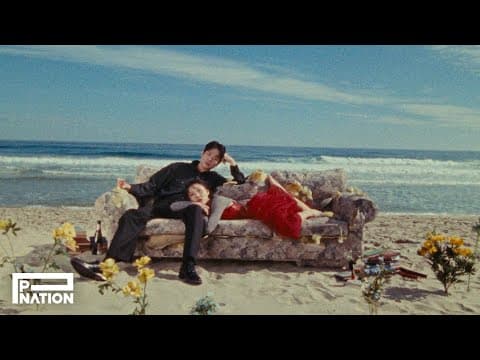
화사 (HWASA) - 'Good Goodbye' MV
Hwasa’s "Good Goodbye" is a soulful, minimalist B-side track from her debut mini-album *María* (2020). Here is an analysis of the song: 1. Overall Theme The song explores the maturity and grace required to end a relationship peacefully. It challenges the idea that all breakups must be bitter or tragic, suggesting instead that letting go with kindness and sincerity is the ultimate form of closure. It is a song about finding peace in the finality of a "Good Goodbye." 2. Key Lyrics Analysis * "안녕이란 말은 참 신기해" (The word 'Annyeong' is quite strange): In Korean, *Annyeong* is used for both "Hello" and "Goodbye." This lyric highlights the paradox of endings; every goodbye is a new beginning, and the duality of the word reflects the complicated emotions of parting ways. * "좋은 이별은 없대도" (Even if they say there's no such thing as a good breakup): Hwasa acknowledges the social cliché that all separations are painful. However, the song serves as a rebuttal to this, as she strives to create a "good" ending despite the inherent sadness. * "I say goodbye, a good goodbye": The repetition of "Good" emphasizes her intent. She isn't just leaving; she is wishing the other person well and releasing them without resentment. 3. Emotional Tone The tone is melancholic yet serene. Unlike her more aggressive or high-energy tracks (like "Twit" or "Maria"), this song is stripped back. Hwasa’s signature husky vocals convey a sense of weariness mixed with calm acceptance. There is a "blue" atmosphere to the song—sad, but clear-eyed and stable. 4. Cultural Context In the fast-paced K-pop industry, where "breakup songs" often lean toward high drama, betrayal, or intense longing, "Good Goodbye" stands out for its stoic emotional intelligence. It reflects a more "Western R&B" influence in its production, prioritizing atmosphere and vocal texture over a complex hook, which aligns with Hwasa's reputation as a "rule-breaker" who prioritizes her own artistic color over typical idol trends. 5. Artist Context "Good Goodbye" is a pivotal track in establishing Hwasa as a serious vocalist and storyteller. While her title tracks often focus on her "femme fatale" image or her struggles with public criticism, this song showcases her vulnerability. Within the *María* EP, it acts as a moment of quiet reflection, proving that she can command a listener's attention with nothing but a simple melody and her raw, emotional delivery. It solidified her identity as an artist who values sincerity over spectacle.

BANG BANG
"BANG BANG" by IVE is a high-energy cover of the 2014 hit by Jessie J, Ariana Grande, and Nicki Minaj. Performed primarily during their first world tour, *SHOW WHAT I HAVE*, it has become a staple of their live identity. Here is an analysis of IVE’s version of the song: 1. Overall Theme The song is an anthem of female empowerment, bold confidence, and romantic assertiveness. It centers on a woman who is fully aware of her charm and is unapologetic about taking center stage and pursuing what she wants with explosive energy. 2. Key Lyrics Analysis * "Bang bang into the room (I know you want it) / Bang bang all over you": The "Bang Bang" metaphor represents a sudden, powerful impact. For IVE, these lines emphasize their "explosive" stage presence and their ability to capture the audience's attention the moment they appear. * "She got a body like an hourglass / But I can give it to you all the time": This lyric highlights a shift from focusing on static physical beauty to focusing on personality, stamina, and "vibe." It aligns with IVE’s "self-love" concept, where internal confidence outweighs external standards. * "See anybody could be good to you / You need a bad girl to blow your mind": This verse represents the "Girl Crush" trope, where the performers lean into a tougher, more rebellious persona than their typical polished "chaebol-crush" (elegant/wealthy) image. 3. Emotional Tone The tone is fierce, swaggering, and celebratory. Unlike the ethereal or elegant tone of their hits like "Love Dive" or "Eleven," "BANG BANG" is pure adrenaline. It conveys a sense of liberation and playful competition, meant to hype up a stadium crowd and showcase the members' competitive vocal and rap skills. 4. Cultural Context K-pop groups frequently cover Western pop hits during world tours to connect with international audiences. By choosing a song originally performed by three distinct powerhouses (a powerhouse vocalist, a pop star, and a rapper), IVE uses this track to prove they can fill those legendary shoes. It acts as a bridge between the K-pop industry and the Western pop mainstream, demonstrating their global versatility. 5. Artist Context In the context of IVE’s career, "BANG BANG" serves as a "growth marker." * Sub-unit Strength: Typically performed by members like Yujin, Rei, and Liz, it allows them to step out of the group’s synchronized choreography to show individual vocal colors—specifically Liz’s high notes and Rei’s rhythmic flow. * Image Expansion: It helps transition the group from the "refined young ladies" image into a more mature, versatile performance act capable of handling high-octane Western pop styles. It solidified their reputation as "performance queens" during their 2023-2024 global tour.

Interlude: Shadow
Interlude: Shadow is a powerful solo track by SUGA (Min Yoongi) from BTS’s 2020 album, *Map of the Soul: 7*. It serves as a raw exploration of the dark side of fame and the internal conflict of an artist at the peak of global success. ### 1. Overall Theme The song explores the duality of success, focusing on the Jungian concept of the "Shadow"—the hidden, darker parts of one's personality. It illustrates how the higher an individual rises into the light of fame, the larger and more menacing their "shadow" (fears, pressures, and loss of privacy) becomes. ### 2. Key Lyrics Analysis * "I wanna be a rap star / I wanna be the top... I wanna be mine." The song begins with a rhythmic mantra of SUGA’s early ambitions. It reflects the pure hunger he had at the start of his career, which contrasts sharply with the heavy burden he feels now that those dreams have come true. * "The moment I fly high as I wished / My shadow grows larger in that blasting light." This is the core metaphor of the track. SUGA acknowledges that fame is a double-edged sword; the "light" of the spotlight inevitably creates a "shadow" of equal proportion. Success doesn't eliminate fear; it amplifies it. * "Please don’t let me shine / Don’t let me down / Don’t let me fly." This paradoxical plea shows his state of panic. He is afraid of falling (failure), but he is also afraid of flying higher because the pressure is becoming unbearable. He feels trapped by his own achievements. * "I am you, you are me, now do you know?" In the final act of the song, the "Shadow" begins to speak directly to him. This represents the Jungian "Integration of the Shadow," where the artist realizes he cannot run away from his fears or his dark side—they are an inseparable part of who he is. ### 3. Emotional Tone The tone is intense, claustrophobic, and anxious. The song starts with a steady, brooding hip-hop beat that eventually breaks down into a distorted, aggressive rock-inspired outro. This shift mirrors a descent into a panic attack or a mental breakdown, conveying a sense of being overwhelmed by the world’s gaze. ### 4. Cultural Context The song is deeply rooted in Jungian Psychology, which the entire *Map of the Soul* series is based on. In this framework, the "Shadow" represents the unconscious mind—the parts of ourselves we try to hide or deny. Visually, the music video uses the imagery of paparazzi and smartphones as a modern "shadow," representing how the public's constant observation strips the artist of his humanity. ### 5. Artist Context Within BTS’s discography, this song marks a shift from the celebratory "Persona" (represented by RM) to a more introspective and vulnerable phase. For SUGA, it is a full-circle moment. Early in his career, he frequently rapped about his desire for "big houses, big cars, and big rings." In "Shadow," he admits that having attained all of those things, he is now grappling with the psychological toll of being an idol on a global stage.
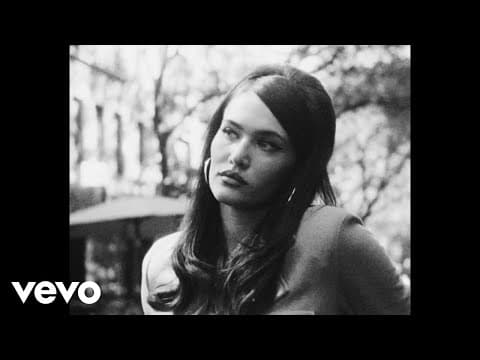
Die On This Hill (NYC Visualizer)
Here is an analysis and explanation of "Die On This Hill" by Sienna Spiro. 1. Overall Theme The song is a powerful anthem of unwavering loyalty and romantic conviction. It explores the idea of being so deeply committed to a person or a relationship that you are willing to accept any outcome—even total heartbreak—rather than give up or choose someone else. 2. Key Lyrics Analysis * "I’ll die on this hill": This uses a common idiom (standing by an opinion regardless of the cost) as a metaphor for love. She is stating that this relationship is the one thing she is willing to sacrifice everything for, even if it eventually fails. * "If I'm wrong, let me be wrong": This line highlights a defiance against outside judgment. She acknowledges that others might see the relationship as a mistake or a "losing battle," but she values her own feelings over external logic. * "I’d rather lose it all than have a piece of something small": This reflects an "all-or-nothing" mentality. She rejects lukewarm or mediocre love, preferring the risk of total loss over a relationship that lacks depth or intensity. * "You're the only one I want to lose to": This is a vulnerable admission that even if the relationship ends in defeat, the experience of loving that specific person was worth the pain. 3. Emotional Tone The song is soulful, defiant, and cinematic. Spiro’s powerhouse vocals convey a sense of "romantic martyrdom"—there is a heavy sadness in the realization that the relationship might be difficult, but it is masked by an overwhelming strength and resolution. It feels both intimate and grand. 4. Cultural Context The "NYC Visualizer" accompanying the song leans into the aesthetic of urban romanticism. New York City often symbolizes a place of "making it or breaking it," which mirrors the song’s theme of high stakes. The use of the "die on this hill" idiom resonates with a generation that values "standing on business" and being unapologetic about one’s personal truths and emotional choices. 5. Artist Context Sienna Spiro is a rising British artist often compared to legendary vocalists like Adele and Amy Winehouse due to her "old-soul" tone. "Die On This Hill" serves as a definitive showcase of her vocal range and her ability to modernize classic soul. This song has been a significant catalyst in her career, helping her build a massive following on social media platforms like TikTok, where her raw, acoustic performances of the track went viral.