Latest Articles

Same Sky
"Same Sky" (Japanese title: "Onaji Sora") is a B-side track from NCT WISH's debut single album, *WISH*. It serves as a heartfelt contrast to their energetic title track, showcasing the group's softer, more melodic side. Here is an analysis of the song: 1. Overall Theme "Same Sky" is a sentimental mid-tempo ballad that centers on the theme of unbreakable connection despite physical distance. It expresses the comforting idea that no matter how far apart the members are from their loved ones or their fans, they are all united by looking up at the same sky and sharing the same dreams. 2. Key Lyrics Analysis * "Even if the scenery changes, my heart stays the same": This line emphasizes constancy. For a new group that has moved from their trainee days to a global stage, it signifies that their core values and feelings for those who supported them remain unchanged. * "Under the same sky, we are breathing together": This utilizes the "sky" as a metaphor for a shared reality. It suggests that distance is an illusion because the natural world—and their shared goals—connects them instantly. * "I’ll be your light when it’s dark": A classic promise of support. It frames the relationship between the artist and the listener as one of mutual protection and guidance. 3. Emotional Tone The song conveys a warm, nostalgic, and hopeful tone. It feels like a "healing" track, characterized by gentle harmonies and a serene melody. While there is a slight touch of melancholy regarding the distance mentioned in the lyrics, the overwhelming emotion is one of reassurance and youthful sincerity. 4. Cultural Context The concept of "looking at the same sky/moon" is a deeply rooted poetic trope in East Asian cultures (often seen in Japanese and Korean literature). It is frequently used to bridge the gap between people who are separated. As a Japanese-localized unit of NCT, NCT WISH uses this motif to speak to their dual identity—connecting their roots in Japan with their activities in Korea and their global fanbase. 5. Artist Context Within NCT WISH’s career, "Same Sky" helps define their "Fresh & Pure" concept. While other NCT units (like NCT 127 or WayV) often focus on "Neo" experimental sounds or high-intensity performances, NCT WISH focuses on a sense of "innocence" and "hope." This song establishes them as a group with strong vocal stability and a relatable, "boy-next-door" charm that differentiates them from their more aggressive-sounding seniors.

Kill This Love
"Kill This Love" is one of BLACKPINK’s most iconic tracks, serving as an anthem for independence and emotional survival. Here is an analysis of the song: 1. Overall Theme The song centers on the painful realization that a romantic relationship has become toxic and self-destructive. It describes the difficult but necessary decision to "kill" the love before it completely destroys one's sense of self, framing the breakup as a deliberate act of self-preservation. 2. Key Lyrics Analysis * "Feeling like a sinner / It's so fire with him I go boo hoo": This line highlights the addictive nature of toxic love. Even though the passion feels "fire," it ultimately leads to misery, creating a cycle of pleasure and pain. * "We all commit to love / That makes you cry / We’re all making love / That kills you inside": These lyrics suggest that people often settle for relationships that are damaging because they mistake intensity for true love. It universalizes the experience of staying in a relationship that is slowly eroding your spirit. * "Let’s kill this love!": The titular refrain acts as a battle cry. It transitions the song from a place of suffering to a place of action, signaling the end of the victim mentality. 3. Emotional Tone The tone is aggressive, empowering, and cinematic. The use of heavy brass (trumpets) and marching-band drums creates a sense of a military operation. While the lyrics acknowledge sadness and "crying," the dominant emotion is resilience. It sounds like a declaration of war against one's own weaknesses and a toxic partner. 4. Cultural Context The song heavily utilizes military motifs—from the choreography (the "salute" and "firing a gun") to the outfits and the booming production. Culturally, this represents the "Girl Crush" concept in K-pop, which moves away from traditional "cute" or "submissive" female roles in favor of fierce, independent, and powerful imagery. The song’s global success also coincided with BLACKPINK’s historic performance at Coachella 2019, bridging the gap between K-pop and Western mainstream pop. 5. Artist Context "Kill This Love" was a pivotal moment in BLACKPINK’s career, following the massive success of "DDU-DU DDU-DU." It solidified their international "Powerhouse" status and established their signature musical formula: high-energy EDM-pop with catchy English hooks and high-fashion visuals. It remains the definitive example of the group’s "BLACK" side—the side that is dark, edgy, and unapologetically strong.

CORONA - MAS MONEY MAS CASH
Here is an analysis and explanation of the song "MAS MONEY MAS CASH" by the Turkish rapper CORONA. 1. Overall Theme The song is a quintessential "hustle" anthem centered on the relentless pursuit of wealth, status, and power within the urban landscape. It explores the transition from a difficult street life to a position of financial success, emphasizing that in his world, money is the ultimate metric of victory and security. 2. Key Lyrics Analysis * "Mas money, mas cash": The title and hook use a blend of Spanish (*Mas*) and English to create a repetitive, catchy mantra. It reinforces the singular focus of the artist: accumulation of capital as a means of escaping the "ghetto" or "mahalle" (neighborhood). * References to the "Mahalle" (The Neighborhood): Like much of Turkish drill, CORONA references his roots. He speaks about the struggles of the streets, implying that his aggressive pursuit of money is a necessity born from his environment, not just greed. * "Düşmanlar izler" (Enemies are watching): This reflects a common theme in the genre—paranoia and competition. As he gains "mas cash," he acknowledges that he becomes a target for envy and "fake" friends, necessitating a defensive and tough posture. * Luxury vs. The Street: He often contrasts high-end brands or cars with the gritty reality of his upbringing, highlighting the "rags to riches" narrative that defines his persona. 3. Emotional Tone The tone is aggressive, defiant, and highly confident. There is an underlying sense of urgency in his delivery, conveying a "hunger" for success. It oscillates between the boastfulness of a winner and the cold, calculated mindset of someone who has had to fight for every cent. 4. Cultural Context * Turkish Drill Movement: The song sits firmly within the "Turkish Drill" subgenre, which draws heavy inspiration from the UK and Chicago drill scenes but infuses it with Turkish slang and local street culture. * Multilingual Slang: The use of Spanish/English terms (Mas Money) is a common trend in European rap, where artists use "global" street slang to give their music a more international, commercial appeal while staying rooted in their local dialects. * The "Varoş" Identity: In Turkey, rap is deeply tied to the *varoş* (suburbs/ghettos). This song serves as a representative voice for youth who feel marginalized and see financial success through music or "the hustle" as their only way out. 5. Artist Context CORONA is a rising figure in the Turkish rap scene, often associated with the aggressive, "street-certified" style popularized by artists like Uzi and Critical. "MAS MONEY MAS CASH" serves as a definitive track in his discography that solidifies his image as a "street-rich" rapper. It showcases his ability to ride dark, heavy-bass drill beats with a rhythmic flow that appeals to both the club scene and the streets.
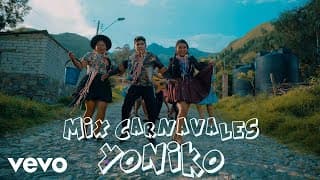
Yoniko y su Grupo Australia - Mix Carnavales "Muero por Besarte"
Yoniko y su Grupo Australia - Mix Carnavales "Muero por Besarte" is a high-energy medley representative of the Southern Peruvian Cumbia scene. Here is an analysis of the track: Overall Theme The song is a festive medley (mix) primarily focused on intense romantic longing and the desire for physical affection. While the lyrics often touch on the pain of absence or the desperation of love, the musical arrangement is designed for the high-energy celebrations of the Andean Carnival season. Key Lyrics Analysis * "Muero por besarte, por sentir tus labios" (I’m dying to kiss you, to feel your lips): This central hook expresses a deep, almost desperate physical yearning. In the context of the song, "dying" is a hyperbole used to show that the narrator's happiness depends entirely on the presence of the beloved. * "Si no te tengo a mi lado, yo me muero de dolor" (If I don't have you by my side, I die of pain): This line reflects the "sufre y goza" (suffer and enjoy) aesthetic common in Peruvian Cumbia. It pairs a tragic sentiment with a fast-paced, danceable beat, suggesting that one should dance through their romantic sorrows. * "Carnavales..." (Shouted cues): Throughout the mix, there are frequent mentions of the "Carnaval" or the town. These are not just lyrics but "shout-outs" meant to energize the crowd and signal that the music is specifically for the ritual celebrations of the season. Emotional Tone The tone is dualistic. On one hand, the lyrics are melancholic and sentimental, dealing with heartache and intense desire. On the other hand, the instrumentation—characterized by fast-paced electronic drums and bright, "spacey" synthesizer melodies—is ecstatic and celebratory. It creates a "festive nostalgia" that is very popular in regional Peruvian parties. Cultural Context This song belongs to the genre of Cumbia Sureña (Southern Cumbia), which is distinct for its heavy use of synthesizers and its origins in the Altiplano region (Puno/Juliaca). The "Mix Carnavales" format is specifically tailored for the Yunza or Umisha (the ritual of dancing around and cutting down a decorated tree during Carnival). In these cultural settings, the music must be continuous and high-tempo to keep the community dancing for hours. Artist Context Yoniko y su Grupo Australia are prominent figures in the Southern Cumbia circuit. This "Mix Carnavales" serves as a showcase of their ability to take romantic ballads and transform them into "hits of the people." For the artist, these mixes are essential for maintaining their relevance in the lucrative live-circuit of Puno, Bolivia, and Northern Chile, where they are considered icons of the "Chicha" and Southern Cumbia movements.

JULLIANY SOUZA - QUEM É ESSE? (AO VIVO)
"Quem é Esse? (Ao Vivo)" by Julliany Souza is a powerful contemporary Christian worship song that has become a staple in the Brazilian "Worship" movement. Here is an analysis of the track: 1. Overall Theme The song is a profound anthem of adoration centered on the majesty, identity, and sovereignty of Jesus Christ. It draws heavily from biblical imagery (specifically Psalm 24) to celebrate the entrance of the "King of Glory" into the lives and hearts of the believers. 2. Key Lyrics Analysis * "Quem é esse que entra no templo? / Quem é esse que para o tempo?" (Who is this who enters the temple? / Who is this who stops time?): These opening questions establish a sense of holy curiosity and awe. It suggests that God’s presence is so overwhelming that it transcends physical space and the laws of nature. * "É o Rei da Glória, o Senhor Poderoso" (He is the King of Glory, the Powerful Lord): This is a direct reference to Psalm 24. It shifts the song from inquiry to proclamation, identifying Jesus not just as a savior, but as a triumphant monarch. * "O Leão da Tribo de Judá" (The Lion of the Tribe of Judah): Referencing Revelation 5:5, this line emphasizes the strength, authority, and lineage of Christ, portraying Him as the victorious ruler. * "Lindo, Lindo, Lindo" (Beautiful, Beautiful, Beautiful): In the "Worship" genre, the repetition of "Beautiful" signifies a moment of "contemplative adoration," where the lyrics move past theological facts into a personal, emotional response to God’s character. 3. Emotional Tone The song conveys a sense of reverent ecstasy. It begins with a building sense of anticipation and moves into a high-energy celebration. There is a palpable feeling of surrender and wonder, typical of live recordings where the congregation’s voices are heard, emphasizing a communal experience of the divine. 4. Cultural Context The song fits into the Brazilian Gospel/Worship movement, which has seen a massive surge in popularity over the last decade. Brazilian worship is characterized by long "ministrations" (spontaneous prayers and singing) and a very high emotional intensity. The use of the "King of Glory" theme resonates with the Brazilian church's focus on the "Kingdom of God" (Reino) and the return of Christ. 5. Artist Context Julliany Souza rose to national and international fame as one of the lead voices of the group Casa Worship (known for the hit "A Casa É Sua"). "Quem é Esse?" is a pivotal track in her solo career, cementing her status as a leading female figure in the genre. It showcases her ability to lead large-scale "live" worship experiences and highlights her signature vocal style—transitioning from soft, intimate verses to powerful, belting choruses.

Natanzinho Lima - Sonho de Amor - Cortando Chão Teresina/PI
"Sonho de Amor" as performed by Natanzinho Lima is a contemporary cover of a classic Brazilian romantic anthem (originally made famous by the sertanejo duo Zezé Di Camargo & Luciano). In this version, Natanzinho adapts the song to the Arrocha/Seresta style, which is characterized by its "suffering" (sofrência) lyrics paired with a danceable, keyboard-driven rhythm. ### 1. Overall Theme The song explores the themes of intense longing and emotional dependency following a breakup. It depicts a narrator who is trapped in the memory of a past relationship, unable to escape the feeling of loneliness, and pleading for his partner to return and restore his happiness. ### 2. Key Lyrics Analysis * "Vem pra me tirar da solidão / Fazer feliz meu coração" *(Come to take me out of loneliness / To make my heart happy)*: These lines establish the core conflict—the narrator’s happiness is entirely dependent on the presence of the other person. He views his current state of solitude as a burden that only she can lift. * "Meu sonho de amor" *(My dream of love)*: The title and recurring phrase suggest that the relationship has become idealized. Now that it is over, the love only exists in his mind or dreams, highlighting the gap between his painful reality and his romanticized memories. * "Deixe que o dia amanheça / Deixe que o sol me aqueça" *(Let the day break / Let the sun warm me)*: This represents a desire for renewal. After a "long night" of sadness and cold isolation, the narrator looks for the metaphorical warmth of the sun (or the return of his lover) to bring him back to life. ### 3. Emotional Tone The song carries a tone of melancholic passion. While the lyrics are deeply sad and vulnerable, Natanzinho Lima’s delivery—typical of the *Arrocha* genre—is energetic and rhythmic. This creates a "bittersweet" experience known in Brazil as *sofrência*: music you can dance to while simultaneously crying over a lost love. ### 4. Cultural Context * The "Cortando Chão" Series: This specific performance is part of a project recorded in Teresina, Piauí, a city in Northeast Brazil. The phrase "Cortando Chão" (Cutting through the ground) refers to traveling long distances, symbolizing the life of a touring musician in the rural and interior regions of the country. * Seresta/Arrocha: In the Northeast, reimagining old Sertanejo hits into modern "Serestas" (serenades) is a massive trend. It bridges the gap between the older generation's romantic ballads and the younger generation's preference for electronic beats and dancing. ### 5. Artist Context Natanzinho Lima is currently one of the fastest-rising stars in the Brazilian "Seresta" and "Arrocha" scenes. This song is a key part of his repertoire because it showcases his ability to take a "sacred" classic of Brazilian music and make it relevant for modern audiences. By recording in Teresina, he reinforces his connection to the Nordeste (Northeast region), which is the primary engine for this musical style's popularity.

Sangre Cumbiera - Amor sincero / Estrechándome / He nacido para amarte / Nada se compara contigo
This song is a "mix" or medley by the Peruvian group Sangre Cumbiera. It combines four distinct romantic tracks into one continuous danceable sequence. ### 1. Overall Theme The song is an anthem to unconditional and eternal love. It journeys through different stages of a relationship, starting with the promise of honesty, moving through physical intimacy, and concluding with the belief that the partner is a unique, irreplaceable soulmate destined by fate. ### 2. Key Lyrics Analysis * "Yo te quiero con amor sincero" (Amor sincero): This line establishes the foundation of the medley. It emphasizes that the singer's feelings are not superficial or fleeting, but rooted in "sincere love," which is a common trope in Latin American balladry and cumbia. * "Estrechándome en tus brazos, sintiendo tu calor" (Estrechándome): These lyrics shift the focus to physical presence and security. It describes the "warmth" and comfort found in a lover's embrace, highlighting the intimacy required to sustain a long-term bond. * "He nacido para amarte, para toda la vida" (He nacido para amarte): This introduces the concept of destiny. It suggests that the singer’s entire existence was predestined for this one person, elevating the relationship from a simple choice to a cosmic necessity. * "Nada se compara con tu forma de amar" (Nada se compara contigo): The closing sentiment is one of "total preference." By stating that nothing compares to the partner, the lyrics place the lover on a pedestal, dismissing all other past or future possibilities. ### 3. Emotional Tone The tone is deeply romantic, celebratory, and nostalgic. While the rhythm is upbeat (designed for dancing), the vocal delivery and lyrics are sentimental. It evokes the feeling of "Cumbia con sentimiento" (Cumbia with feeling), where the joy of the rhythm masks a profound, almost desperate devotion. ### 4. Cultural Context * The Medley (Mix) Format: In South American cumbia (especially in Peru, Bolivia, and Argentina), it is a standard tradition to perform "mixes." This allows bands to keep the energy high on the dance floor while cycling through several "hits" that share a similar emotional theme. * Cumbia Sureña Influence: Sangre Cumbiera often plays in a style influenced by Southern Cumbia, which utilizes synthesizers and a steady electronic beat. This music is the heartbeat of social gatherings like weddings, anniversaries, and community festivals, where these romantic lyrics serve as a communal celebration of love. ### 5. Artist Context Sangre Cumbiera is known for their "clean" and melodic approach to cumbia. They specialize in reviving classic romantic tropes and arranging them into modern, danceable formats. This specific medley is a staple of their repertoire because it condenses the most "relatable" romantic sentiments into a single track, making it a favorite for "dedicated" songs on the radio or at live concerts. It solidifies their image as a band that plays "for the heart."
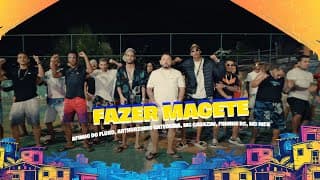
FAZER MACETE - AFINHO DO FLUXO, ARTHURZINHO BATEDEIRA, MC CAUAZIM, MC FININHO DA RC, MC NICK
"FAZER MACETE" is a vibrant example of contemporary Brazilian Funk (specifically the *Funk de Fluxo* and *Mandela* styles) originating from the outskirts of São Paulo. Produced and filmed by the prominent SR FILMES, the track serves as both a dance anthem and a celebration of peripheral youth culture. Here is an analysis of the song: 1. Overall Theme The song centers on the "Fluxo" (informal street parties) and the ritual of the "macete"—a slang term referring to specific, rhythmic dance moves or "tricks" used to impress others. It describes a lifestyle of partying, attracting women, and displaying social status through fashion and confidence. 2. Key Lyrics Analysis * "Vou fazer o macete": The core hook of the song. In the current funk scene, "macete" refers to a synchronized, often repetitive dance step. The lyrics invite the listener to join in, highlighting the importance of dance as a form of social currency. * "O pai tá trajado": This translates to "the father (I) is well-dressed." Being "trajado" is a crucial cultural concept in São Paulo funk, involving wearing expensive brands, gold chains, and designer perfumes to signal success and "power" within the community. * "No pique de jogador": Literally "in the style of a football player." This refers to living a high-profile, successful, and "charming" lifestyle, mimicking the swagger and financial freedom associated with professional athletes. 3. Emotional Tone The emotional tone is energetic, boastful, and celebratory. The heavy, repetitive "beat box" style of the production creates an aggressive yet hypnotic rhythm designed for dancing. It conveys a sense of collective joy and defiance, typical of youth living in the *favelas* who use these parties as an escape and a space for self-expression. 4. Cultural Context The song is deeply rooted in the TikTok/Social Media era of Funk. Many of these tracks are composed with short, catchy segments specifically intended to become viral dance challenges. It also reflects the "Fluxo" culture, where large groups gather around cars with massive sound systems. The mention of specific scents and clothing brands reflects the *Ostentação* (ostentation) subgenre, which focuses on material success as a response to social marginalization. 5. Artist Context This track is a "set" or collaboration between several rising MCs (MC Cauazim, MC Nick, etc.) and the visual powerhouse SR FILMES. In the Brazilian funk scene, these collaborations are vital for building a "scene" and helping independent artists reach the mainstream. For artists like Afinho do Fluxo and Arthurzinho Batedeira, this song solidifies their position as creators of "hits for the street," focusing on the sounds that currently dominate the nightlife in São Paulo.
![SEMI NUA - MC Meno K, MC Ryan SP, MC GP, MC Negão Original, MC Rick, Du'L, Aaron [Video Oficial]](/_next/image?url=https%3A%2F%2Fimg.youtube.com%2Fvi%2FcthaSw4VK3A%2Fmqdefault.jpg&w=3840&q=75)
SEMI NUA - MC Meno K, MC Ryan SP, MC GP, MC Negão Original, MC Rick, Du'L, Aaron [Video Oficial]
"SEMI NUA" is a prominent collaboration released under the Love Funk label, featuring a powerhouse lineup of Brazilian Funk artists including MC Ryan SP, MC GP, and MC Rick. Here is an analysis of the track: ### 1. Overall Theme The song centers on the themes of hedonism, nightlife, and casual sexual encounters within the "revoada" (wild party) culture. It describes a luxurious, high-energy environment where the artists flaunt their wealth while interacting with women who are liberated and confident in their sensuality. ### 2. Key Lyrics Analysis * "Ela tá semi nua, louca pra transar" (She's semi-naked, crazy to have sex): This recurring hook sets the explicit and provocative tone of the song. It emphasizes the lack of inhibitions in the party setting. * "O tubarão chegou" (The shark has arrived): A reference to MC Ryan SP, whose nickname is "O Tubarão" (The Shark). In Funk culture, this signifies a "predator" or a high-status individual who dominates the social scene. * "Vem pra base do pai" (Come to the father's base): "Base" refers to a private house or apartment used for after-parties. "Pai" (Father) is a slang term used by successful MCs to denote their status as a provider or a leader of the group. * "Deixa o grave bater" (Let the bass hit): This highlights the importance of the production and the physical sensation of the music, which is a staple of Funk Mandelão and Funk Ostentação. ### 3. Emotional Tone The tone is hedonistic, confident, and high-energy. There is a strong sense of bravado and "ostentação" (flaunting). The artists convey a mood of celebration and entitlement, focusing entirely on the pleasure of the moment without any emotional strings attached. ### 4. Cultural Context * The "Revoada": This is a specific cultural phenomenon in São Paulo funk, referring to long, lavish parties involving many women, expensive cars, and premium alcohol. * The Collaboration (Set): In the Brazilian Funk scene, "Sets" (tracks with multiple MCs) are a marketing strategy to combine different fanbases. This track brings together the "Mandrake" style of São Paulo (Ryan, GP) with the rhythmic influence of Belo Horizonte (MC Rick). * Love Funk: This is one of the most powerful production houses in Brazil. The song is a "product" of this factory, designed to go viral on TikTok and in nightclubs. ### 5. Artist Context * MC Ryan SP & MC GP: At the time of this release, these two were at the peak of the "Funk Ostentação" scene, representing the lifestyle of the newly wealthy urban youth. * MC Rick: His presence adds the "BH" (Belo Horizonte) flavor, known for a more laid-back but equally explicit flow, showing the national unity of the genre. * Ronit (Love Funk): As the producer/director, this track solidifies Ronit's ability to curate "mega-hits" by putting the biggest names in the industry on a single beat to ensure millions of views.

♫ Fuiste Mala / Me Equivoqué / Invisible - Explosión Cumbiera & DJ Kane 🔥 ¡Tendencia de Música! ✨
This track is a high-energy medley (mix) featuring three distinct songs performed by the Peruvian group Explosión Cumbiera in collaboration with DJ Kane (former lead singer of the Kumbia Kings). The medley structure is common in the Cumbia genre to keep the rhythm driving during parties and live performances. Here is an analysis of the song: ### 1. Overall Theme The song is a quintessential "heartbreak anthem" centered on the pain of betrayal, the regret of choosing the wrong partner, and the sting of being ignored. It tracks the emotional journey from discovering a partner's malice to the realization that the relationship was a mistake, ending with the cold reality of becoming "invisible" to someone you once loved. ### 2. Key Lyrics Analysis Because this is a medley, the lyrics transition through three specific phases: * "Fuiste Mala" (You Were Wicked): The lyrics focus on betrayal and deception. Lines like *"Fuiste mala, me engañaste"* (You were bad, you cheated on me) highlight a sense of victimization and the bitterness that comes when a partner's true, hurtful nature is revealed. * "Me Equivoqué" (I Was Mistaken): This section shifts the focus inward toward regret. A key sentiment is *"Me equivoqué al entregarte mi corazón"* (I was wrong to give you my heart). It expresses the "buyer's remorse" of love—wishing one could take back the time and affection spent on someone unworthy. * "Invisible": This part deals with the aftermath of a breakup. The metaphor of being "invisible" describes the feeling of being "ghosted" or treated like a stranger by a former lover. It captures the transition from being someone's "everything" to being nothing at all. ### 3. Emotional Tone The tone is bittersweet and cathartic. While the lyrics are deeply melancholic—dealing with spite, sadness, and disillusionment—the musical arrangement is upbeat and festive. This is a staple of Latin Cumbia: "dancing through the pain." It allows the listener to process sad emotions while staying energized and connected to a crowd. ### 4. Cultural Context * Cumbia Sureña/Sanjuanera Influence: Explosión Cumbiera hails from the Amazonian/Andean fusion tradition of Peru. This style of Cumbia is the "music of the people," often played at massive outdoor festivals (*chichódromos*) where themes of heartbreak are sung collectively as a form of emotional release. * The Medley Format: In Latin American dance culture, "Mixes" or medleys are highly popular because they allow the "pachanga" (party) to continue without pauses, blending several hits into one continuous dance track. ### 5. Artist Context This collaboration is a bridge between generations and styles. * DJ Kane brings an international "Kumbia Kings" flavor—a Tex-Mex/Urban Cumbia style that was massive in the early 2000s. * Explosión Cumbiera represents the modern powerhouse of Peruvian Cumbia. By joining forces, they blend DJ Kane’s soulful, R&B-influenced vocals with Explosión’s driving tropical percussion, helping the group appeal to both older fans of classic Cumbia and younger audiences who follow current trends. This track solidified their status as "trending" artists by refreshing classic heartbreak themes for a modern digital audience.

NA RELÍQUIA DO 2T - MC Vine 7, MC Tuto, MC FR da Norte, MC Joãozinho VT, MC Dkzin (DJ Gu)
"NA RELÍQUIA DO 2T" is a collaborative Funk track featuring prominent voices from the São Paulo scene. Produced by DJ Gu and released through Sonar Produtora, it serves as an anthem for the "Mandrake" lifestyle—a subculture within Brazilian Funk that blends street style, luxury motorcycles, and a "conscious" look at life in the periphery. ### 1. Overall Theme The song centers on the celebration of material success achieved through hard work and resilience, specifically symbolized by the acquisition of high-end, "relic" motorcycles. It balances a triumphant "ostentação" (ostentation) vibe with a "conscious" message about staying humble, remembering one’s roots, and seeking divine protection from envy. ### 2. Key Lyrics Analysis * "Na relíquia do 2T": The title refers to vintage or classic two-stroke engine motorcycles (like the Yamaha DT or RD models), which are highly prized as "relics" in the favela. It represents a connection between the old school and the new generation. * "Meiota no toque": "Meiota" is the slang for the Yamaha XT 660R, perhaps the most iconic motorcycle in Brazilian Funk culture. Being "at the touch" (no toque) of one signifies that the artist has "made it." * "Deus abençoe quem veio de baixo": This line reinforces the spiritual element common in *Funk Consciente*. It acknowledges that their current wealth is a blessing resulting from surviving the struggles of poverty. * "Vários querendo o meu fim, mas o Pai tá cuidando de mim": A common theme of "recalque" (envy). The lyrics suggest that as they rise in status, they become targets for jealousy, but they rely on God for protection. ### 3. Emotional Tone The tone is triumphant and aspirational. There is a palpable sense of pride in the verses, as the MCs recount their journey from having nothing to being able to afford "the best." However, there is also a grounded/serious undertone; the artists don't just brag about money, they emphasize the "correría" (the daily grind) and the importance of brotherhood. ### 4. Cultural Context * Motorcycle Culture: In the outskirts (periferia) of São Paulo, motorcycles are more than transportation; they are symbols of freedom and status. The "Relíquia" (relic) refers to keeping classic bikes in mint condition, which commands immense respect in the community. * The "Mandrake" Aesthetic: This song perfectly encapsulates the Mandrake style—wearing expensive sportswear (Oakley, Lacoste), riding powerful bikes, and maintaining a specific "cool but dangerous" posture. * Set/Medley Format: It is common in modern Funk for a producer (DJ Gu) to bring together 4 or 5 MCs for one long track (a "Set"). This allows different fanbases to merge and creates a sense of a "united front" in the music scene. ### 5. Artist Context The track features a mix of established and rising stars: * MC Joãozinho VT and MC Tuto are currently among the most influential names in the "Mandrake" and "Consciente" genres, known for hits that celebrate the "victory of the favela." * For Sonar Produtora, this track is a flagship release meant to dominate the "fluxos" (street parties) and social media platforms like TikTok and Instagram Reels, where motorcycle culture content thrives. * This song reinforces the career trajectory of these artists as voices of a generation that values "ostentação com pé no chão" (ostentation with feet on the ground).
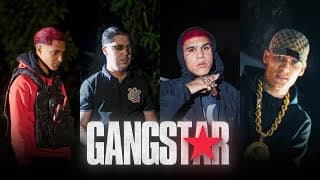
GANGSTAR - Oruam, Salvador da Rima, Real Fubá e Chefin (Clipe Oficial)
"GANGSTAR" is a collaboration between four prominent figures in the Brazilian trap and funk scenes: Oruam, Salvador da Rima, Real Fubá, and Chefin. Released under the Mainstreet label, it serves as an anthem for the "street-star" lifestyle. Here is an analysis of the track: ### 1. Overall Theme The song centers on the duality of being a "Gangstar"—a blend of "gangster" (street credibility) and "star" (commercial success). It explores themes of overcoming poverty, loyalty to one's origins, the acquisition of luxury goods as symbols of victory, and the defiance of those who doubted their rise from the favelas to the top of the music charts. ### 2. Key Lyrics Analysis * "De onde eu venho, a vida é um jogo e eu sou o MVP" (Where I come from, life is a game and I’m the MVP): This line emphasizes the competitive nature of survival in the *periferia* (periphery). It frames their success not just as musical talent, but as a strategic win in a high-stakes environment. * "Hoje a firma tá forte, nós tá em outro patamar" (Today the 'firm' is strong, we are on another level): "Firma" (firm/company) is slang for both a business and a criminal organization, but here it refers to their record label and collective. It highlights their transition from street hustling to corporate dominance. * Oruam’s Verses: Oruam often references his father and his heritage. His lyrics focus on "living the dream" that was once impossible, mentioning luxury cars ("naves") and expensive jewelry as tangible proof of his status. * Salvador da Rima’s Contribution: Salvador often brings a more "conscious" or "street-poet" perspective. His lines focus on the contrast between the "old life" of dodging trouble and the "new life" of being an idol for kids in the favela. ### 3. Emotional Tone The tone is triumphant, defiant, and celebratory. There is a palpable sense of "we made it" throughout the track. While the beat is heavy and aggressive (typical of trap), the vocal deliveries—especially Oruam’s melodic style—add a layer of swagger and confidence. It conveys the pride of someone who has beaten the odds. ### 4. Cultural Context * The Rio-São Paulo Connection: The song brings together artists from Rio de Janeiro (Oruam, Chefin) and São Paulo (Salvador da Rima). This reflects the unification of the two biggest urban music hubs in Brazil. * Mainstreet Records: The song is a product of Mainstreet, the most influential trap label in Brazil. The label is known for turning "street kids" into millionaires, a narrative that is central to the song's identity. * Oruam’s Personal History: Oruam is the son of Marcinho VP, one of the historical leaders of Rio’s largest criminal faction. His presence in a song titled "GANGSTAR" carries significant weight in Brazil, as he navigates the line between his family's notorious past and his own legitimate success as a pop star. ### 5. Artist Context * Oruam: This song reinforces his position as the "face" of Brazilian melodic trap. He uses these collaborations to solidify his status as a hitmaker. * Chefin: Known for his viral hits (like "212"), Chefin provides the "luxury" appeal, focusing on the high-fashion and lifestyle aspect of the "Star" persona. * Salvador da Rima: For Salvador, this is a return to a harder trap sound after spending much of his career in "Funk Consciente," showing his versatility. * Real Fubá: As a rising name, his participation alongside these giants serves as a "stamp of approval" for his career within the trap scene.