Latest Articles

Set DJ Japa NK 2.0 Ryan SP, Meno K, Luuky, Rodrigo do CN, IG, Jacaré, GH do 7, Lele JP, JVila, Oruam
"Set DJ Japa NK 2.0" is a collaborative Brazilian Funk track featuring a massive lineup of prominent artists, including heavyweights like MC Ryan SP, MC IG, and Oruam. In the Brazilian music scene, a "Set" is a long-form track where multiple MCs take turns performing over a beat produced by a specific DJ—in this case, DJ Japa NK. Here is an analysis of the song: Overall Theme The song serves as an anthem for the "vencemos" (we won) lifestyle, focusing on the transition from poverty to extreme wealth. It explores themes of financial success, the "revoada" (party) culture, high-end fashion, and the status achieved by artists who rose from the peripheries (favelas) to become national stars. Key Lyrics Analysis * "Tubarão, e o IG é o dono da lancha" (Ryan SP/IG): Ryan SP is famously nicknamed "The Shark" (Tubarão). This line references their dominant status in the music industry and their literal wealth (owning yachts/speedboats), symbolizing that they are at the top of the food chain. * "Vida cara, perfume importado" (Various): A common trope in *Funk Ostentação*, this highlights the sensory shift in their lives—from the smell of the streets to the scent of expensive European fragrances. * "Fé em Deus que o resto Ele faz" (Oruam/Various): Despite the focus on material wealth, there is a recurring spiritual element. These lines acknowledge that their success is seen as a divine blessing, a common sentiment in Brazilian urban music to stay grounded. * "De Oakley no rosto, Lacoste no peito": References to specific brands like Oakley and Lacoste are staples of the *Mandrake* aesthetic, a specific fashion subculture within the Brazilian funk scene that represents "street elegance." Emotional Tone The tone is celebratory and defiant. There is a palpable sense of triumph and pride. While parts of the song are relaxed and melodic (especially Oruam’s and Lele JP’s verses), the overall energy is high-octane and boastful, designed to be played in clubs and "paredões" (large street sound systems). Cultural Context * The "Set" Culture: This format is crucial in Brazil. It acts as a networking tool where established stars (Ryan SP, IG) "bless" rising talents, helping to maintain the momentum of the Funk genre. * Mandrake Culture: The lyrics and imagery are steeped in the *Mandrake* lifestyle—a mix of "bad boy" aesthetics, luxury sportswear, and expensive jewelry that serves as a badge of honor for those who escaped the hardships of the favela. * SP vs. RJ Bridge: By including Oruam (a major figure from Rio de Janeiro) alongside São Paulo artists like Ryan SP, the song represents a unified front in Brazilian urban music, blending the "Funk Paulista" rhythm with Rio's melodic "Trap" influence. Artist Context For MC Ryan SP, this song further solidifies his title as the "King of Revoada." He is currently one of the most-streamed artists in Brazil, and appearing on DJ Japa NK’s set helps maintain his presence across all layers of the funk scene. For Oruam, his participation highlights his meteoric rise and his ability to cross over from Trap to Funk seamlessly. For DJ Japa NK, this sequel (2.0) establishes him as a premier producer capable of coordinating the biggest names in the industry into a single cohesive hit.

Sangre Cumbiera - Con la misma moneda (Video oficial)
"Con la misma moneda" (With the Same Coin) is a high-energy Cumbia track performed by the Peruvian group Sangre Cumbiera. Originally made famous by Argentine singer Karina "La Princesita," this version adapts the song into the fast-paced, rhythmic style of Northern Peruvian Cumbia. ### 1. Overall Theme The song centers on betrayal, revenge, and the reclamation of power after infidelity. It tells the story of someone who has discovered their partner was cheating and decides to "pay them back in kind" by being unfaithful or indifferent themselves, rather than crying over the heartbreak. ### 2. Key Lyrics Analysis * "Te pagaré con la misma moneda" (*I will pay you back with the same coin*): This is the core metaphor of the song. It draws from the common Spanish idiom meaning "an eye for an eye." It signals that the narrator has stopped being the victim and has decided to treat the partner exactly how they were treated. * "Me dolió tanto que te fueras con ella" (*It hurt me so much that you went with her*): This line acknowledges the initial vulnerability and pain caused by the betrayal, which provides the emotional justification for the subsequent "revenge." * "Y ahora te duele lo que a mí me dolió" (*And now what hurt me, hurts you*): This expresses a sense of poetic justice. The power dynamic has shifted; the partner is now the one feeling the sting of abandonment and jealousy. ### 3. Emotional Tone The song carries a tone of defiant empowerment and scorn. While the lyrics are rooted in sadness and spite (*despecho*), the upbeat, danceable rhythm of the Cumbia beat creates a "cathartic party" atmosphere. It is an anthem for anyone who has been wronged and chooses to move on with their head held high (and perhaps a bit of coldness) rather than wallowing in sorrow. ### 4. Cultural Context In Latin American music, particularly Cumbia, there is a long-standing tradition of songs about *despecho* (spite/heartbreak). These songs serve as a social outlet for processing relationship drama. The phrase "pagar con la misma moneda" is a deeply rooted cultural concept regarding fairness and retribution in romantic relationships. By performing this in the Sanjuanero/Northern Peruvian style, Sangre Cumbiera connects these universal themes to the specific festive and folkloric traditions of Peru. ### 5. Artist Context Sangre Cumbiera is known for their ability to take classic Cumbia hits and "Peruvianize" them with fast tempos, prominent synthesizers, and energetic percussion. This song is a staple of their repertoire because it allows them to showcase their high-energy performance style while covering a song that is already an established "anthem" across Latin America. It reinforces their position as a group that provides the soundtrack for parties and social gatherings where collective singing and dancing are essential.

Léo Santana, Melody - Desliza ("Ólhinho" No Corpinho)
"Desliza ("Ólhinho" No Corpinho)" is a collaborative hit between the "King of Pagodão Baiano," Léo Santana, and the young pop phenomenon Melody. The track is a high-energy fusion of Brazilian rhythms designed specifically for the dance floor and social media. Here is an analysis of the song: Overall Theme The song is a quintessential Brazilian summer anthem focused on dancing, flirting, and physical movement. Its primary purpose is to serve as a soundtrack for a viral "challenge," providing specific lyrical instructions for a choreography that involves "sliding" and playful gestures. Key Lyrics Analysis * "Desliza, vai, desliza" (Slide, go, slide): This is the central command of the song. In the context of Brazilian *Pagodão* and *Funk*, "sliding" refers to a smooth, rhythmic dance move that highlights the performer's agility and sensuality. * "Faz o olhinho no corpinho" (Make the little eye on the body): This is the song’s "hook." It refers to a specific hand gesture (forming a circle with the fingers like an eye) used in the dance routine to "look" at the partner's body. It emphasizes the flirtatious nature of the track. * "Vem com o Gigante" (Come with the Giant): This is Léo Santana’s signature catchphrase. By referring to himself as "O Gigante" (The Giant), he reinforces his dominant presence in the Brazilian music scene and his role as the leader of the party. * Melody’s Verses: Melody brings a more "Pop" and "Teen" vibe to the song, using lyrics that boast about her confidence and her ability to capture everyone's attention when she enters a room. Emotional Tone The tone is electrifying, festive, and highly energetic. It conveys a sense of confidence and "joie de vivre" (joy of living). There is no deep melancholy or complex narrative; the emotion is purely about the liberation found in dancing and the thrill of visual attraction in a party setting. Cultural Context * Pagodão Baiano: The song is rooted in the rhythm of Bahia. This genre is known for its heavy percussion, repetitive hooks, and "coreografias" (choreographies) that become national crazes. * The "Challenge" Culture: The song was released during the peak of TikTok’s influence on the music industry. The repetitive lyrics and clear cues are "social media bait," designed to encourage users to film themselves doing the specific dance moves mentioned in the lyrics. * Carnaval Vibes: Tracks like this are usually released leading up to the Brazilian Summer or Carnaval, aiming to become the "Song of the Summer." Artist Context * Léo Santana: This song fits perfectly into his career trajectory of being the "master of hits." Following the massive success of "Zona de Perigo," Léo continues to collaborate with diverse artists to bridge the gap between regional Bahian music and national Pop. * Melody: For Melody, this collaboration is a strategic move to solidify her place among the "A-list" of Brazilian music. Known for her high-pitched vocals and marketing stunts, working with an established star like Léo Santana gives her more "street cred" in the industry while maintaining her viral appeal.
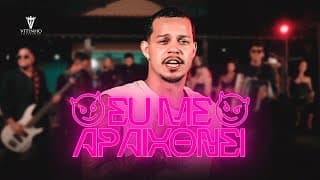
EU ME APAIXONEI - VITINHO IMPERADOR
"EU ME APAIXONEI" by Vitinho Imperador is a high-energy track that blends romantic storytelling with the modern "Piseiro" rhythm. Here is an analysis of the song: 1. Overall Theme The song is a straightforward celebration of falling head-over-heels in love. It describes the intense physical and emotional attraction the singer feels toward a partner, focusing on the small details and intimate moments that solidified his feelings. 2. Key Lyrics Analysis * "Eu me apaixonei no seu jeito de me olhar / No seu jeito de beijar" *(I fell in love with the way you look at me / The way you kiss)*: These lines emphasize that the attraction wasn't just physical; it began with a "spark" and non-verbal chemistry. * "No seu jeito de fazer amor" *(In your way of making love)*: Typical of modern Brazilian popular music (Forró/Piseiro), the lyrics blend romantic sentiment with a more direct, sensual appreciation of intimacy. * Repetitive Chorus: The repetition of "Eu me apaixonei" (I fell in love) serves as a rhythmic mantra, designed to be catchy and easily remembered for live performances and dance floors. 3. Emotional Tone The tone is enthusiastic, joyful, and flirtatious. Unlike a slow romantic ballad, this song treats love as a high-energy experience. It conveys the "rush" of a new relationship—feeling invincible and excited about every aspect of the other person. 4. Cultural Context The song belongs to the Piseiro genre, a modern evolution of Forró from the Brazilian Northeast. Piseiro is characterized by its heavy use of electronic keyboards and a beat specifically designed for a style of dance called the "piseiro step." * Viral Nature: Songs like this are often produced with social media in mind (TikTok and Instagram Reels), featuring "hooks" that are perfect for short dance challenges, which is a major part of how music currently climbs the charts in Brazil. 5. Artist Context Vitinho Imperador is one of the rising stars of the "Piseiro" movement. Following the massive success of his breakout hit "Volta Rapariga," "EU ME APAIXONEI" helped solidify his brand. He is known for mixing "sofrência" (songs about heartbreak) with "piseiro romântico" (romantic dance tracks), positioning himself as an artist who provides the soundtrack for both parties and romantic encounters.

Kumbia Fusion Perdido - Cumbia Sureña / Exito 2026
"Perdido" (meaning "Lost") by Kumbia Fusión is a quintessential example of Cumbia Sureña, a high-energy, electronic-influenced subgenre of Cumbia popular in Southern Peru, Bolivia, and Northern Argentina. Here is an analysis and explanation of the track: ### 1. Overall Theme The song centers on the profound disorientation and despair that follows a devastating romantic breakup. It explores the feeling of being "lost" without a partner and the subsequent attempt to drown one’s sorrows through alcohol and the night-life. ### 2. Key Lyrics Analysis * "Hoy me encuentro perdido por tu amor" (Today I find myself lost because of your love): This is the core metaphor of the song. The narrator isn't physically lost, but emotionally aimless; his sense of identity was so tied to his partner that their departure has left him without a "map" for his life. * "Sigo bebiendo, sigo llorando" (I keep drinking, I keep crying): This highlights the repetitive, cyclical nature of grief in the *Cumbia Sureña* tradition. Drinking is portrayed not as a celebration, but as a ritualistic necessity to numb emotional pain. * "Vuelve conmigo, te lo pido" (Come back to me, I beg you): Despite the pain, there is a lack of closure. The narrator remains in a state of supplication, showing that he has not yet reached the stage of moving on. ### 3. Emotional Tone The song carries a bittersweet paradox. While the lyrics are deeply melancholic, desperate, and sorrowful (often referred to as *sufrimiento*), the music is upbeat and highly danceable. It conveys a sense of "dancing through the pain"—a cathartic release where the listener can physically shake off the weight of heartbreak. ### 4. Cultural Context * Cumbia Sureña Aesthetic: This genre is defined by heavy use of synthesizers, a fast tempo, and a distinct "galloping" percussion style. It is the soundtrack to social gatherings and *chicherías* in the Andean highlands. * The "Exito 2026" Label: You will often see Cumbia groups title their songs with future years (like 2025 or 2026). This is a common marketing tactic in the Peruvian music industry to signal that the song is "ahead of its time," a guaranteed future hit, or to ensure the video stays relevant in search results for years to come. * Catharsis through Alcohol: In many Andean musical traditions, drinking to forget a "traicionera" (betrayer) or a lost love is a common cultural trope used to build solidarity among the audience. ### 5. Artist Context Kumbia Fusión is part of a modern wave of groups specializing in the "Southern Style." They are known for high-quality digital production and catchy, repetitive hooks that work well on social media platforms like TikTok. "Perdido" serves as a flagship track for the group, solidifying their reputation for making "sad songs you can dance to," which is the most commercially successful formula in the current Cumbia scene.
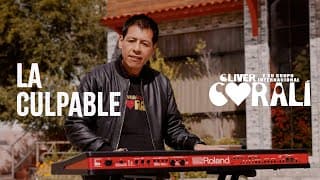
Cliver y su grupo Coralí - La culpable (Official Video) 2025
"La culpable" (The Guilty One) by Cliver y su Grupo Coralí is a quintessential Southern Cumbia (Cumbia Sureña) track released for the 2025 season. It follows the group’s tradition of blending high-energy electronic beats with deeply melancholic lyrics. Here is an analysis of the song: 1. Overall Theme The song focuses on the aftermath of a broken relationship and the bitterness of betrayal. It tells the story of a man who gave his all to a partner, only to be deceived, and he now identifies her as the sole person "guilty" of his emotional ruin and the death of their love. 2. Key Lyrics Analysis * "Tú eres la culpable de mi sufrimiento" (You are the guilty one for my suffering): This is the core refrain. It shifts the agency of the pain entirely onto the former partner, reflecting a state of "despecho" (resentment/spite) common in Andean cumbia. * "Me juraste amor, y todo era mentira" (You swore you loved me, and it was all a lie): This highlight the theme of broken promises. The narrator struggles with the realization that the foundation of the relationship was built on deception rather than genuine affection. * "Ahora te vas, riéndote de mí" (Now you leave, laughing at me): These lines emphasize the coldness and lack of empathy from the "guilty" party, making the narrator's victimization feel more profound to the listener. 3. Emotional Tone The song carries a dual emotional tone. Lyrically, it is sorrowful and resentful, filled with the pain of abandonment. Musically, however, the tone is energetic and driving. The use of fast-paced synthesizers and a steady electronic percussion creates a "danceable sadness"—a staple of the genre where people dance to release the pain of a broken heart. 4. Cultural Context Cliver y su Grupo Coralí are icons of Cumbia Sureña, a subgenre dominant in Southern Peru (specifically Puno), Bolivia, and Northern Chile. * The "2025" Tag: In this music scene, artists often release songs late in the year tagged with the upcoming year to signal they are "new hits" for the summer and Carnival season. * Social Setting: This music is designed for large-scale festivals and "chichódromos" (dance halls), where themes of heartbreak are shared communally. 5. Artist Context Cliver Fidel, the leader and producer of Grupo Coralí, is known as a "hitmaker" in the Southern Cumbia scene. This song fits perfectly into his career trajectory of producing "Techno-Cumbia" with high production value. "La culpable" reinforces his status as a leader of the genre, continuing the "Coralí style"—soaring female-style synth leads (often played on keyboards) and lyrics that resonate with the working-class experience of love and loss in the Altiplano region.

Sangre Cumbiera - Propiedad privada / Pagarás / No me dejes / Amarte hasta la muerte (Cumbia 2025)
This track by SANGRE CUMBIERA is an "enganchado" (a medley or potpourri) that blends several classic romantic songs into a modern cumbia rhythm. It explores the intense cycle of romantic passion, ranging from toxic possessiveness and the pain of betrayal to the desperate plea for a lover to stay and a promise of eternal devotion. ### 1. Overall Theme The song is a journey through the highs and lows of traditional Latin American romanticism. It transitions from themes of extreme jealousy and "ownership" of a partner to the bitter aftermath of a breakup, ultimately ending with a declaration of unconditional, lifelong love. ### 2. Key Lyrics Analysis * "Para que nadie te mire, para que nadie te toque... te he de esconder en mi vida" (*Propiedad Privada*): These lines reflect a "possessive love." It uses the metaphor of private property to describe a relationship where one person wants to hide their partner from the world to avoid jealousy. * "Pagarás, pagarás, el daño que me has hecho" (*Pagarás*): This shifts the focus to heartbreak and karma. It conveys the belief that in the world of love, those who cause pain will eventually suffer the same fate. * "No me dejes, no me dejes solo" (*No me dejes*): A vulnerable plea. It highlights the fear of abandonment and the desperation felt when a relationship is on the verge of ending. * "Amarte hasta la muerte" (*Amarte hasta la muerte*): The medley concludes with a "ride or die" sentiment, asserting that despite the jealousy and the pain mentioned earlier, the commitment to the partner is absolute and eternal. ### 3. Emotional Tone The tone is melancholic yet rhythmic. While the lyrics are filled with "despecho" (resentment/heartbreak) and longing, the upbeat cumbia tempo creates a sense of "bailar el dolor" (dancing through the pain). It feels urgent, passionate, and deeply nostalgic. ### 4. Cultural Context The song follows the popular South American trend of Cumbia de Cuarteto or Cumbia Santafesina styles (common in Argentina, Bolivia, and Peru). By labeling it "Cumbia 2025," the artist is signaling a modern production—likely using synthesizers and clean digital percussion—to revitalize old Boleros and Valses (like *Propiedad Privada*, originally a Peruvian Vals) for a new generation of listeners at parties and "bailantas." ### 5. Artist Context SANGRE CUMBIERA positions themselves as a bridge between the "old school" tropical classics and the contemporary scene. This medley format is their signature style, allowing them to showcase their ability to reinterpret legendary melodies into high-energy dance tracks. It fits into their career as a "revivalist" act, ensuring that classic heartbreak anthems remain relevant in the modern club and festival circuit.

MC's Lele JP, Leozinho ZS, GH Original, Menor ZL e Meno K, PR - Vai Tomando Pock Pock - Álbum Chatão
### 1. Overall Theme "Vai Tomando Pock Pock" is a high-energy Brazilian Funk (Funk Paulista) track centered on the vibrant nightlife of the *baile funk* and casual sexual encounters. The song serves as a celebratory anthem of the "playboy" or "malandro" lifestyle, focusing on physical attraction, rhythmic dancing, and the status associated with successful MCs in the urban scene. ### 2. Key Lyrics Analysis * "Vai tomando pock pock": This is the central hook of the song. "Pock pock" is an onomatopoeia commonly used in Brazilian funk to mimic the rhythmic sound of a heavy beat or the physical impact during sex. It is designed to be catchy and hypnotic for the dance floor. * "Ela se envolve com os cara do momento" (*She gets involved with the guys of the moment*): This line highlights the social status of the MCs. It suggests that their fame and current success make them highly desirable in the social hierarchy of the favela and the club scene. * "Noite de luxo, as de cem pro alto" (*Luxury night, hundred-dollar bills in the air*): This reflects the "Funk Ostentação" (Ostentation Funk) influence, where the lyrics emphasize wealth, spending power, and the transition from poverty to a life of luxury. * The Multi-MC Structure: Because the song features multiple artists (Lele JP, Leozinho ZS, etc.), each verse represents a different "vibe" or perspective on the party, showcasing the camaraderie and collaborative nature of the São Paulo funk scene. ### 3. Emotional Tone The tone is hedonistic, confident, and high-octane. It conveys a sense of "living in the moment" without worries about the future. There is an undercurrent of masculine bravado and triumph, as the artists celebrate their ability to attract women and command the attention of the crowd through their music and lifestyle. ### 4. Cultural Context * Baile Funk & Fluxos: The song is tailor-made for "fluxos" (spontaneous street parties in Brazil) and organized funk clubs. The rhythm is the "MTG" or "Mandela" style, characterized by aggressive, repetitive beats. * Slang: The lyrics are dense with "gírias" (slang) from the peripheries of São Paulo. Terms like "revoada" (a party that lasts until morning) or "pock pock" are part of a specific linguistic identity shared by the youth in these communities. * Collaboration Culture: In Brazil, it is common for several MCs to join forces on a single track (often called a "Set"). This helps cross-pollinate fanbases and ensures the song reaches different regions of the country. ### 5. Artist Context MC Lele JP is one of the most prominent voices in modern Brazilian funk, known for his versatility. While he often creates "Funk Consciente" (songs with social messages about struggle and faith), "Vai Tomando Pock Pock" represents his commercial and "proibidão" (explicit) side. This track reinforces his position as a hitmaker who can dominate the charts by providing the high-energy, rhythmic music that fuels the Brazilian nightlife industry.

💕🧃 YOGURCITO REMIX | BLESSD ❌ ANUEL AA ❌ YAN BLOCK ❌ LUAR LA L ❌ ROA ❌ KRIS R
"YOGURCITO REMIX" is a high-energy urban collaboration that brings together the rising "Medellín sound" of Blessd with the heavy-hitting street trap of Puerto Rico. Here is an analysis of the track: 1. Overall Theme The song is a provocative, hedonistic anthem centered on sexual attraction, wealth, and the urban nightlife. The term "Yogurcito" (literally "little yogurt") is used as a slang metaphor for a woman the artists find physically attractive and "sweet," while the lyrics revolve around luxury lifestyles, street credibility, and casual encounters. 2. Key Lyrics Analysis * "Tú ere' mi yogurcito, estás bien rica..." (Blessd): This hook uses a playful, almost nursery-rhyme style diminutive to describe a woman, contrasting the "sweet" nickname with the explicit sexual nature of the verses. * "Real hasta la muerte, ¿oíste, cabrón?" (Anuel AA): Anuel uses his signature catchphrase to ground the song in his "Street King" persona. His verses often focus on high-end luxury (mentioning Richard Mille watches or G-Wagons) to signal his status. * "En el cuello tengo un iglú" (Kris R / Roa): A common trope in Latin Trap, this refers to "ice" (diamonds). It emphasizes the "flexing" culture—showing off the fruits of their success in the music industry. * "La L" (Luar La L): Known for his "Drill" influence, Luar’s verses usually shift the tone from flirtatious to more aggressive street talk, maintaining the song's "street" edge. 3. Emotional Tone The tone is confident, boastful, and high-octane. It oscillates between the smooth, melodic flow of Blessd and the aggressive, raspy delivery of Anuel AA and Luar La L. It is designed to be a "club banger," meant to evoke a sense of power, sexual dominance, and expensive taste. 4. Cultural Context * The Remix Strategy: In the Reggaeton and Latin Trap world, a remix is a strategic tool used to breathe new life into a hit. By adding established legends (Anuel AA) and street favorites (Luar La L), Blessd expands the song's reach from Colombia to the wider Caribbean and US markets. * Medellín vs. Puerto Rico: The song represents the bridge between the "Paisa" (Medellín) style of Reggaeton, which is often more melodic, and the Puerto Rican "Trap" style, which is grittier and more lyrically explicit. 5. Artist Context * Blessd: This song solidifies his position as a leader of the new generation of Colombian artists. Collaborating with Anuel AA is a "stamp of approval" in the industry, moving him from a local star to a global contender. * Anuel AA: His appearance on this track serves to maintain his dominance in the Trap genre and his reputation for supporting the "new school" of artists. * The "New School" (Yan Block, Kris R, Roa): For these artists, appearing on a track with Anuel and Blessd is a massive career boost, providing them with mainstream visibility.

Mix CAZZU (Live) Grupo Histeria 2025 4k Official Performance
This performance by Grupo Histeria is a "Cumbianized" medley (mix) of hits by the Argentine trap artist Cazzu. It reimagines urban trap and reggaeton songs through the lens of high-energy tropical Cumbia. ### 1. Overall Theme The song is a high-octane tribute to feminine empowerment, heartbreak (*despecho*), and street-smart resilience. By blending Cazzu’s raw, urban lyrics with Grupo Histeria’s danceable rhythm, the theme becomes a celebration of moving on from toxic relationships through music and dance. ### 2. Key Lyrics Analysis Since this is a mix, it touches on several of Cazzu’s iconic sentiments: * "Mucha Data" (Lots of Information): This recurring concept in Cazzu’s work refers to having "the receipts" or knowing the truth about a situation. In this cumbia version, it serves as a warning to a former lover that the singer is too smart to be played. * Themes of Betrayal: Many of the verses chosen for the mix focus on a partner who lied or was unfaithful. The lyrics emphasize that the woman is now the one in control, often referred to as "La Jefa" (The Boss). * Urban Slang: The lyrics retain "turra" culture references—slang from the streets of Buenos Aires—which highlights a "tough" identity that doesn't need a man to feel validated. ### 3. Emotional Tone The tone is defiant and festive. There is a distinct contrast known in Latin music as "dancing through the pain." While the lyrics describe betrayal and the coldness of a breakup, the musical arrangement by Grupo Histeria is celebratory and fast-paced, intended to get a crowd jumping at a live show. ### 4. Cultural Context * "Cumbianización": In South America (especially Argentina, Bolivia, and Peru), there is a massive cultural trend of taking "Urban" hits (Trap/Reggaeton) and turning them into Cumbia Villera or Cumbia Base. This makes the music more accessible to older generations and traditional dance halls. * The "Live" Session Era: This 4K official performance is part of a modern marketing trend where groups film high-quality "live" studio sessions to simulate the energy of a concert, which is then consumed heavily on YouTube and TikTok. ### 5. Artist Context * Cazzu: Known as the "Queen of Argentine Trap," her music often deals with female sexuality and power. This mix keeps her legacy relevant in the tropical music scene. * Grupo Histeria: This group has become a powerhouse in the Andean and Southern Cone cumbia scene. They are known for their "Mixes"—taking the most popular songs of the moment and giving them a "Histeria" twist characterized by synthesizers and aggressive percussion. This 2025 release cements their position as trendsetters who bridge the gap between street trap and traditional party music.

ONDA KUMBIERA - SE QUE TE AMARE
"Se Que Te Amaré" by Onda Kumbiera is a quintessential romantic cumbia track that combines high-energy dance rhythms with a deeply sentimental message of eternal devotion. Here is an analysis of the song: 1. Overall Theme The song centers on the theme of eternal and unwavering love. It is a declaration of commitment, where the singer promises to love their partner forever, regardless of how much time passes or what challenges may arise. It reflects the certainty of finding a "soulmate." 2. Key Lyrics Analysis * "Sé que te amaré, por siempre te amaré" (*I know I will love you, I will love you forever*): The use of "Sé" (I know) instead of "pienso" (I think) establishes a tone of absolute certainty. It is a vow rather than just a feeling. * "Aunque pase el tiempo, nunca te olvidaré" (*Even if time passes, I will never forget you*): This line emphasizes the longevity of the emotion. It suggests that their love is "time-proof," a common trope in romantic Latin music that resonates deeply with audiences. * "Eres tú mi vida, mi único querer" (*You are my life, my only love*): This represents the total surrender of the narrator to the relationship, placing the partner at the very center of their existence. 3. Emotional Tone The tone is optimistic, celebratory, and romantic. While the lyrics are poetic and could work as a ballad, the fast-paced cumbia rhythm gives the song a joyful energy. It captures the "euphoria" of being in love—the feeling of wanting to dance and shout your feelings to the world. 4. Cultural Context * Cumbia as a Social Glue: In Mexico and parts of the U.S. with large Latino populations, this style of cumbia is a staple at weddings, *quinceañeras*, and family parties. The song serves a dual purpose: it is romantic enough for a "first dance" but upbeat enough to keep the party moving. * The "Grupero" Influence: Onda Kumbiera fits into the *Onda Grupera* or *Technocumbia* tradition, which uses synthesizers and electronic drums to modernize traditional folk rhythms, making them more appealing to urban and younger audiences. 5. Artist Context Onda Kumbiera is known for their ability to blend romantic lyrics with the "sonidero" spirit. "Se Que Te Amaré" stands out as one of their most representative hits. It helped solidify their position in the cumbia scene by providing a "clean," melodic sound that is both radio-friendly and perfect for live dance halls. Within their career, this song exemplifies their signature style: sentimental storytelling backed by a relentless, danceable beat.

MC JACARÉ, MC LELE JP, MC NEGÃO ORIGINAL, JAPA NK - CARNÍVORO (Lyric Video Oficial)
"Carnívoro" is a high-energy Brazilian Funk track featuring MC Jacaré alongside MC Lele JP, MC Negão Original, and Japa NK. It blends the aggressive beats of "Funk de BH" (Belo Horizonte) with the electronic influences of "Eletrofunk." Here is an analysis of the song: Overall Theme The song is a hedonistic anthem focused on nightlife, sexual pursuit, and the "predatory" nature of the party scene. Using the metaphor of a "Carnivore," the artists describe their search for pleasure and status within the context of a *fluxo* (street party) or a club environment. Key Lyrics Analysis * "Eu sou carnívoro, ela é carne fresca" (I am a carnivore, she is fresh meat): This is the central metaphor of the song. It frames the nightclub interaction as a primal instinct, where the "predator" (the man) is seeking out "prey" (the woman) in a purely physical and sexual sense. * "O Jacaré tá na pista" (The Alligator is on the track/dance floor): This is a double entendre. While it refers to MC Jacaré’s stage name, it also reinforces the animalistic theme of a predator lurking in its territory, ready to engage. * "Taca o peito no Jacaré" (Throw your chest at the Alligator): This refers to a specific style of dancing common in Brazilian Funk, where movements are synchronized with the heavy bass hits. It highlights the physical, dance-oriented nature of the track. * References to "Ciroc," "Chivas," and "Red Label": Like many songs in the "Funk Ostentação" lineage, these references signal success and the ability to afford a high-end lifestyle, which is presented as a magnet for attention. Emotional Tone The tone is bold, aggressive, and highly confident. There is no room for romance; instead, the song vibrates with raw energy and "hype." It is designed to be played at maximum volume on "Paredões" (large car sound systems), creating an atmosphere of celebration and social dominance. Cultural Context * Eletrofunk and BH Funk: The song represents a fusion of styles. MC Jacaré is a key figure in Eletrofunk, a subgenre that gained massive popularity in the Center-West and South of Brazil by mixing electronic dance music with funk lyrics. * The "Jacaré" Persona: In Brazilian culture, the alligator (*jacaré*) is often associated with someone who is "crafty" or a "player." MC Jacaré leans into this branding heavily, making it his trademark. * The "Revoada": The lyrics celebrate the "revoada"—a slang term for a long, unrestrained party that usually lasts until morning, involving many people, music, and alcohol. Artist Context This song fits perfectly into MC Jacaré’s career trajectory as a hitmaker who bridge the gap between regional Funk scenes. After going viral with hits like "Comprei um Lança," Jacaré solidified his place as a leader of the "Eletrofunk" movement. "Carnívoro" serves as a collaborative effort to maintain his presence in the "fluxos" (street parties) by uniting with other rising voices like MC Lele JP, ensuring the track appeals to both the electronic and the traditional funk crowds.